



How does the Inouye Solar Telescope Resist the Heat
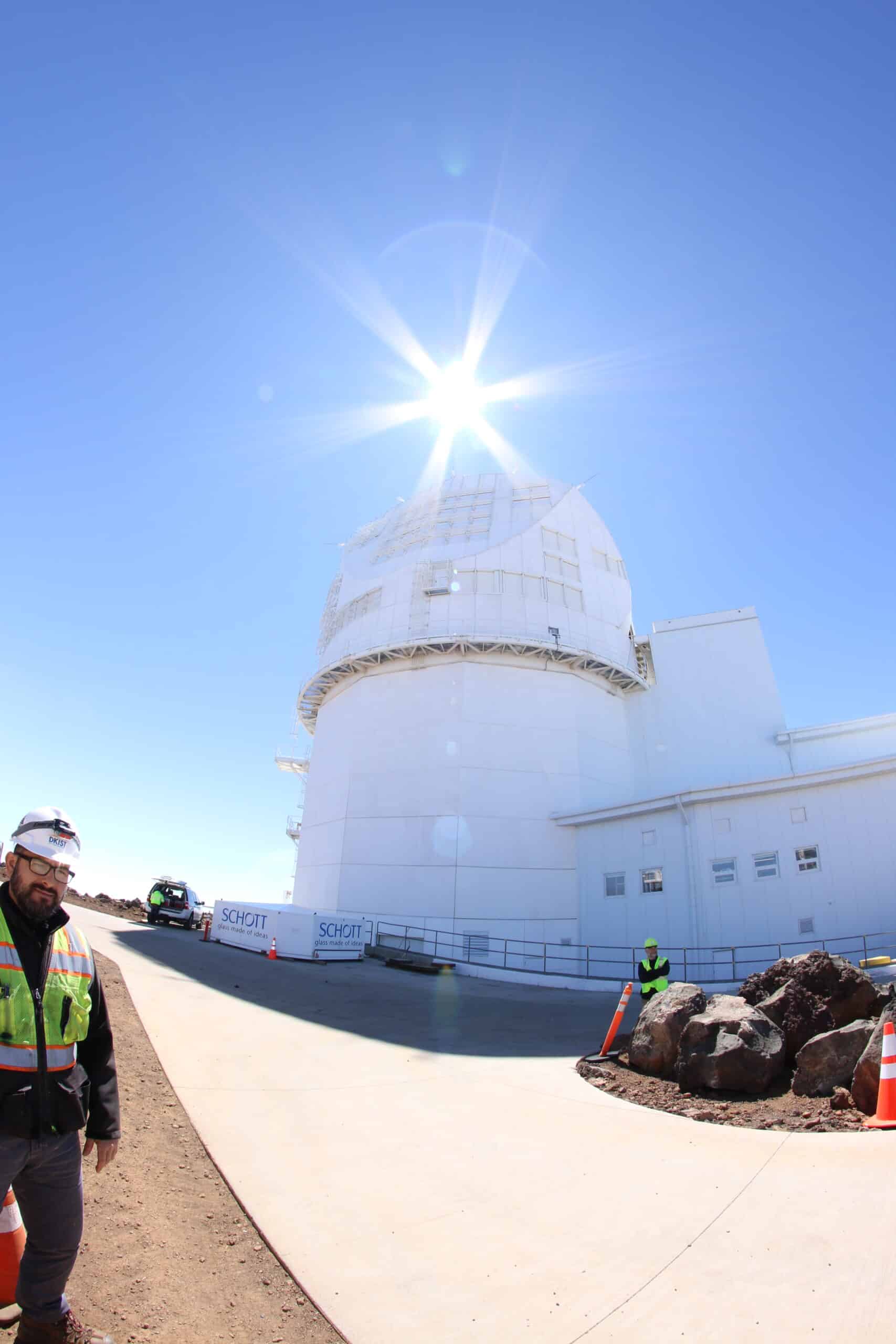
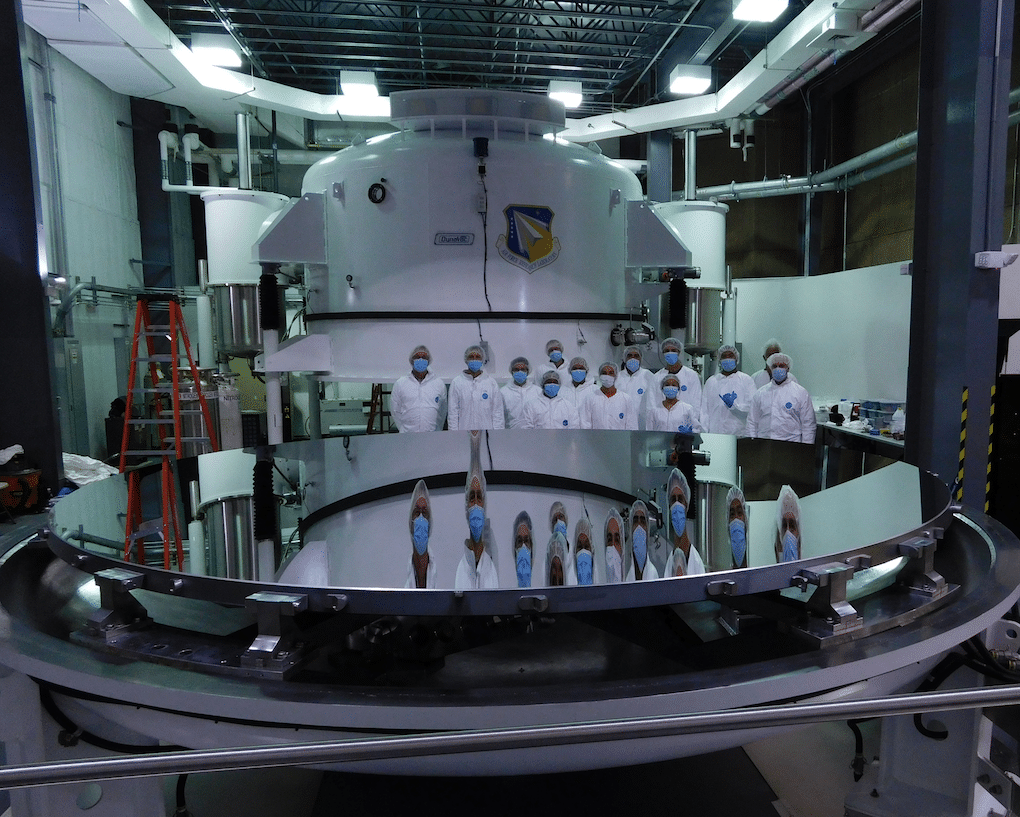
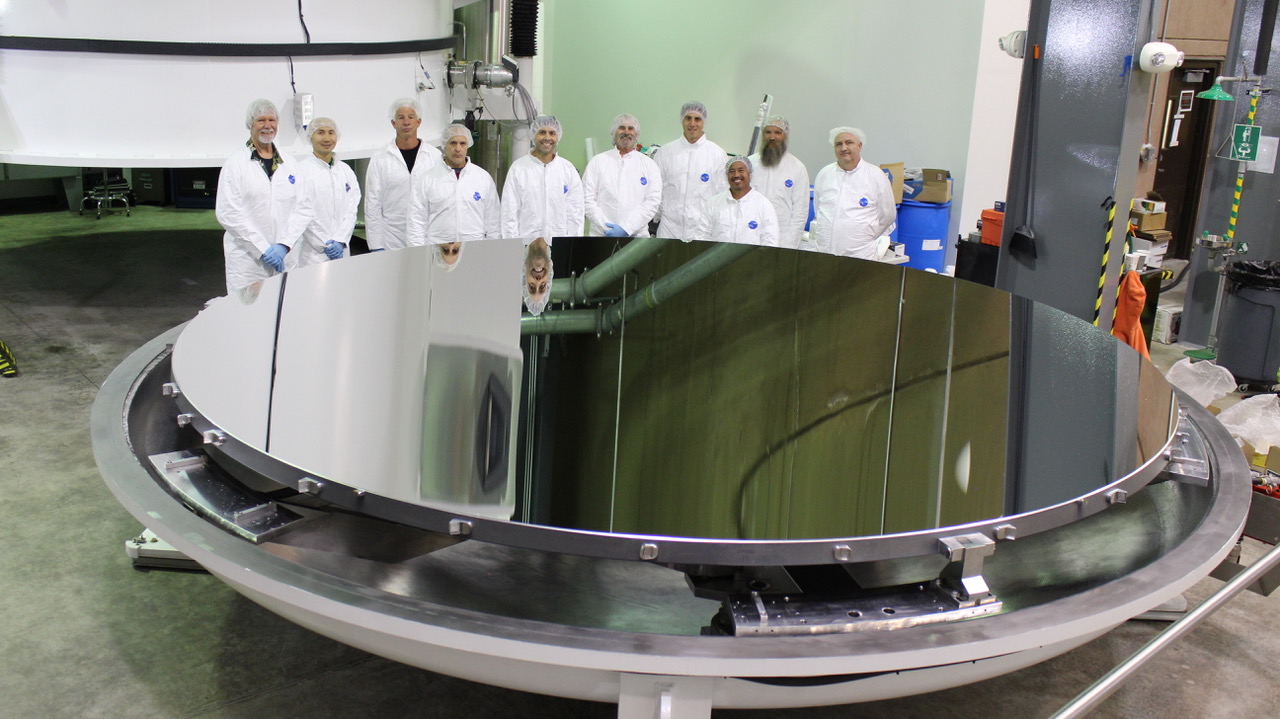
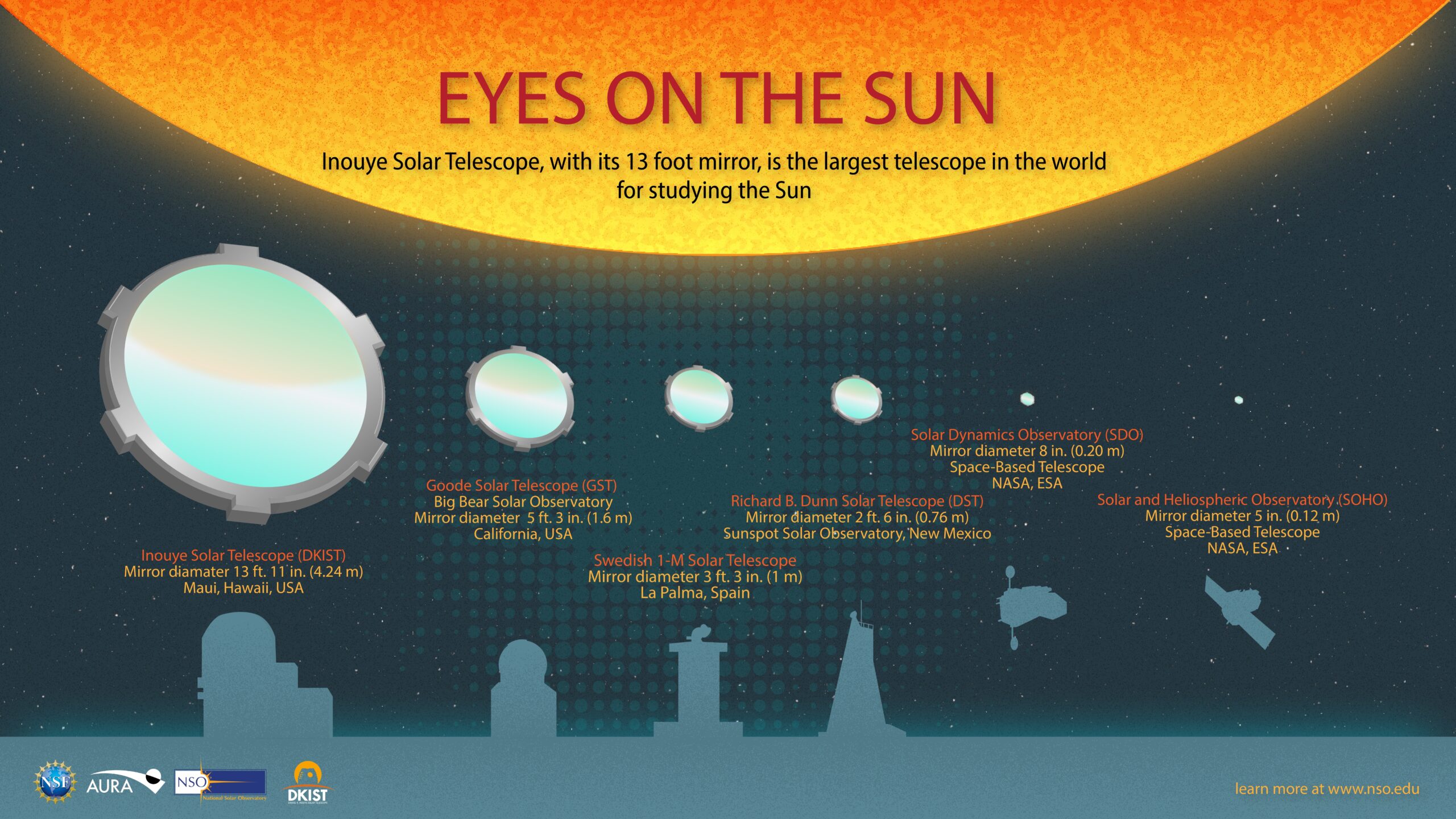
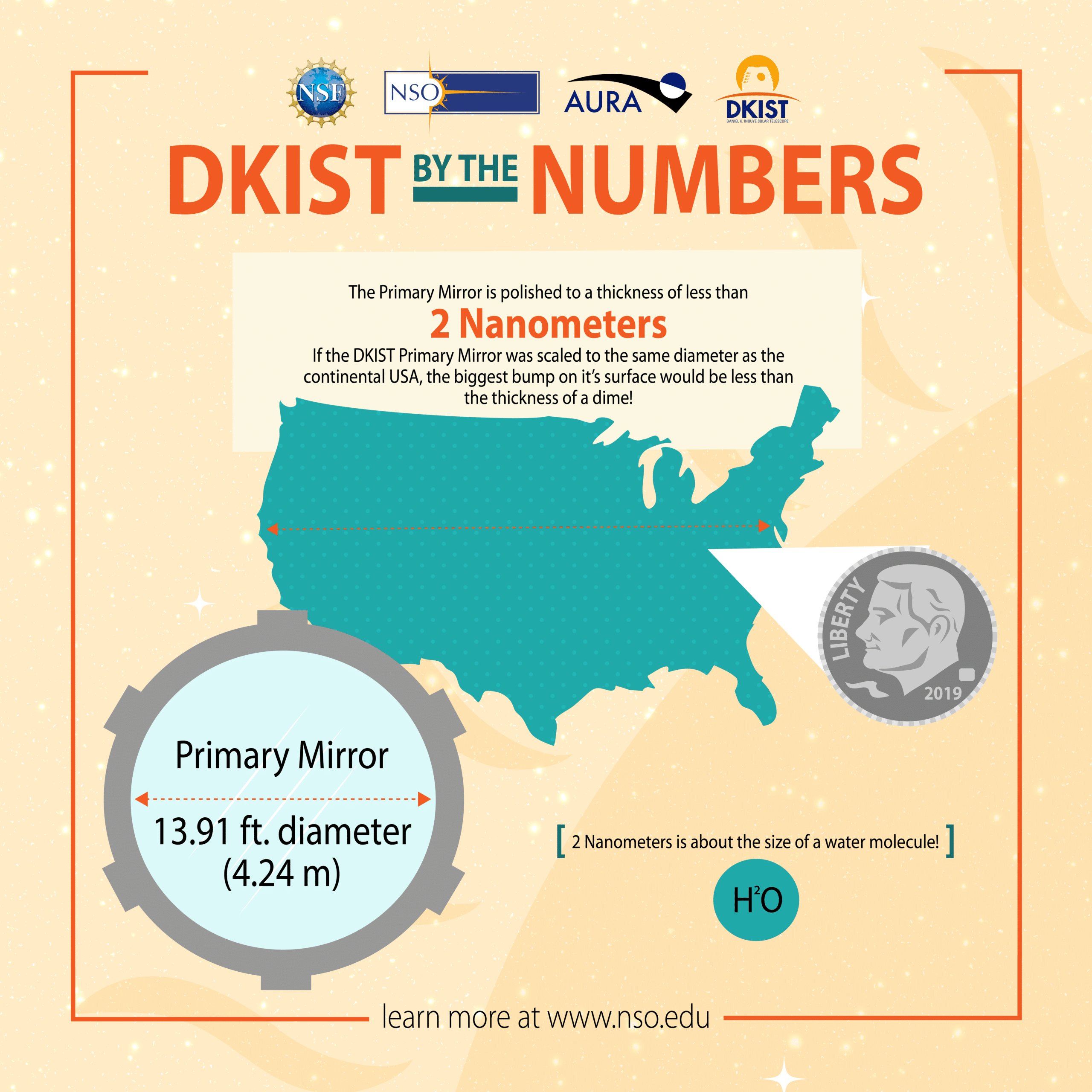
Pointing a 13-foot, (4-meter) mirror directly at the Sun presents many challenges, not the least of which, is controlling the heat. Using something as small as a hand-held magnifying glass to focus sunlight is enough to burn paper, so imagine the power of focusing 4-m worth of sunlight.
Generating this tremendous amount of heat requires innovative cooling strategies to avoid damaging delicate telescope equipment and the building it lives in.
Maintaining sharp, high-quality images means the telescope’s optics need to be kept at near ambient temperature; the same temperature as the surrounding environment. That’s hard to do with 12kW of solar power bouncing around the telescope! Excess heat and resulting temperature changes, which can happen anywhere between the incoming light and the cameras, add distortions similar to the shimmering effect seen rising from an asphalt road on a hot day. This can severely deteriorate the quality of the telescope’s images.
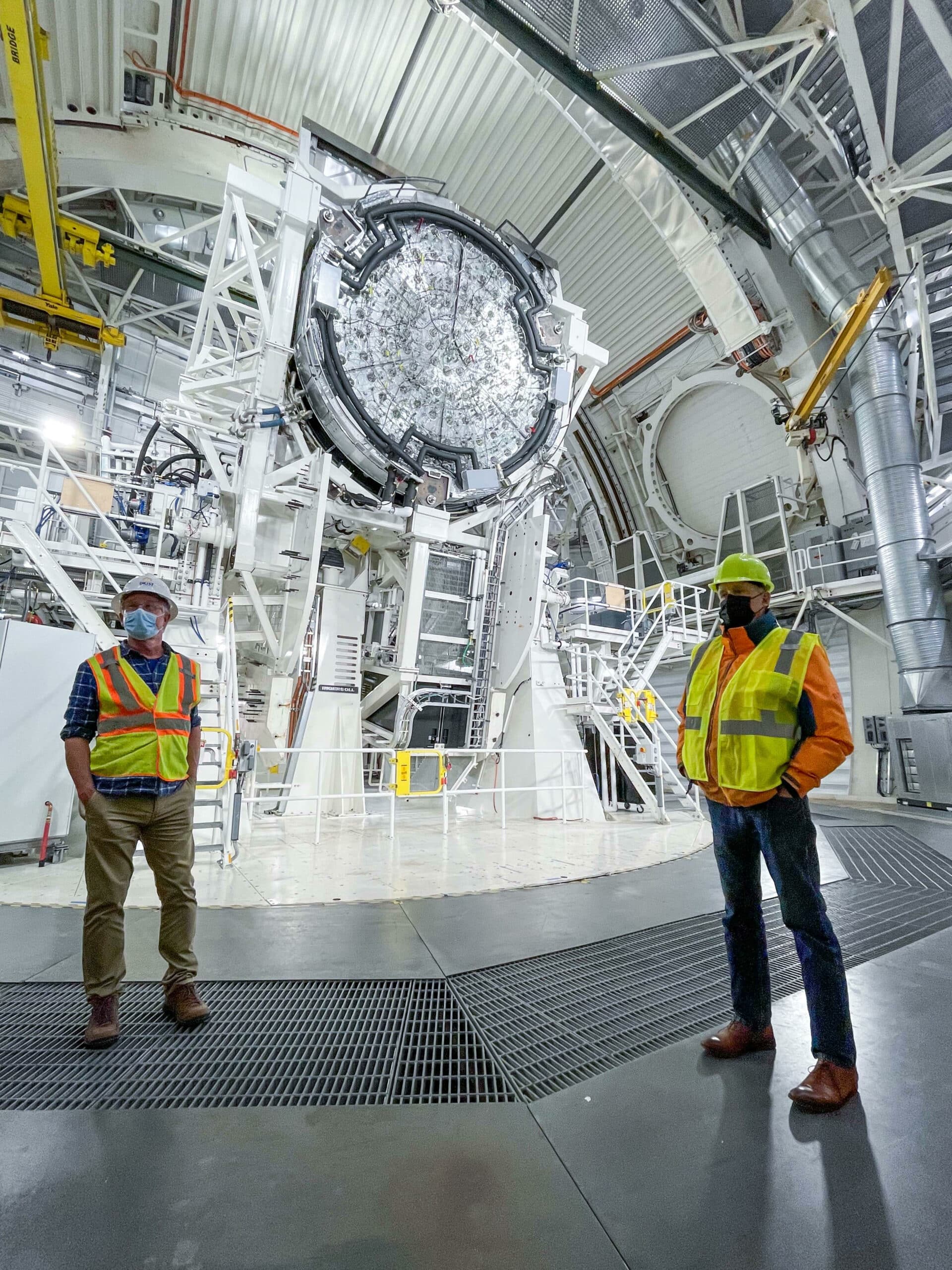
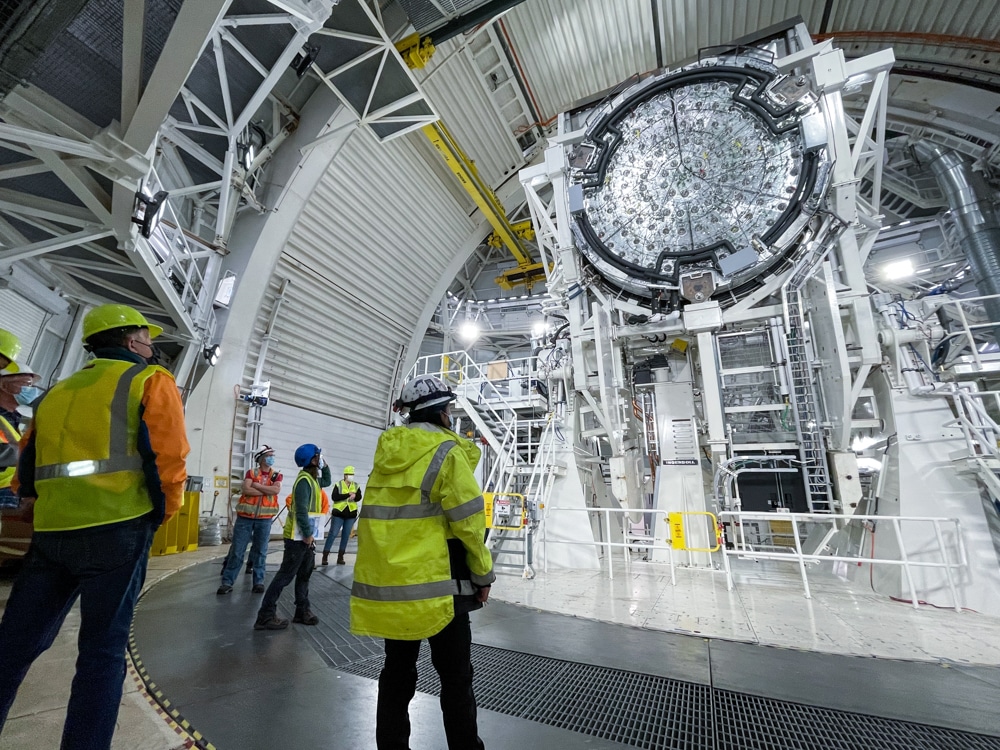
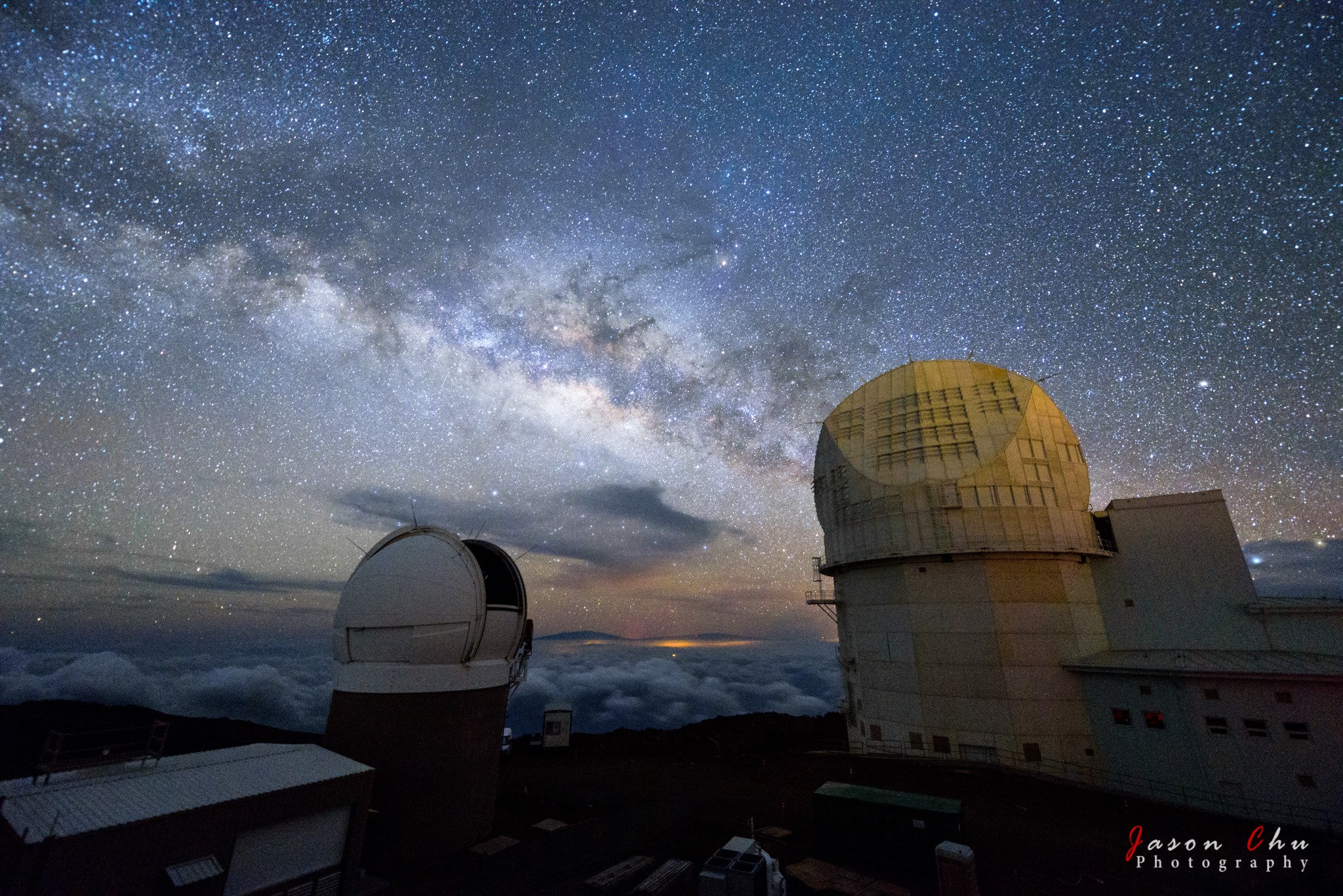
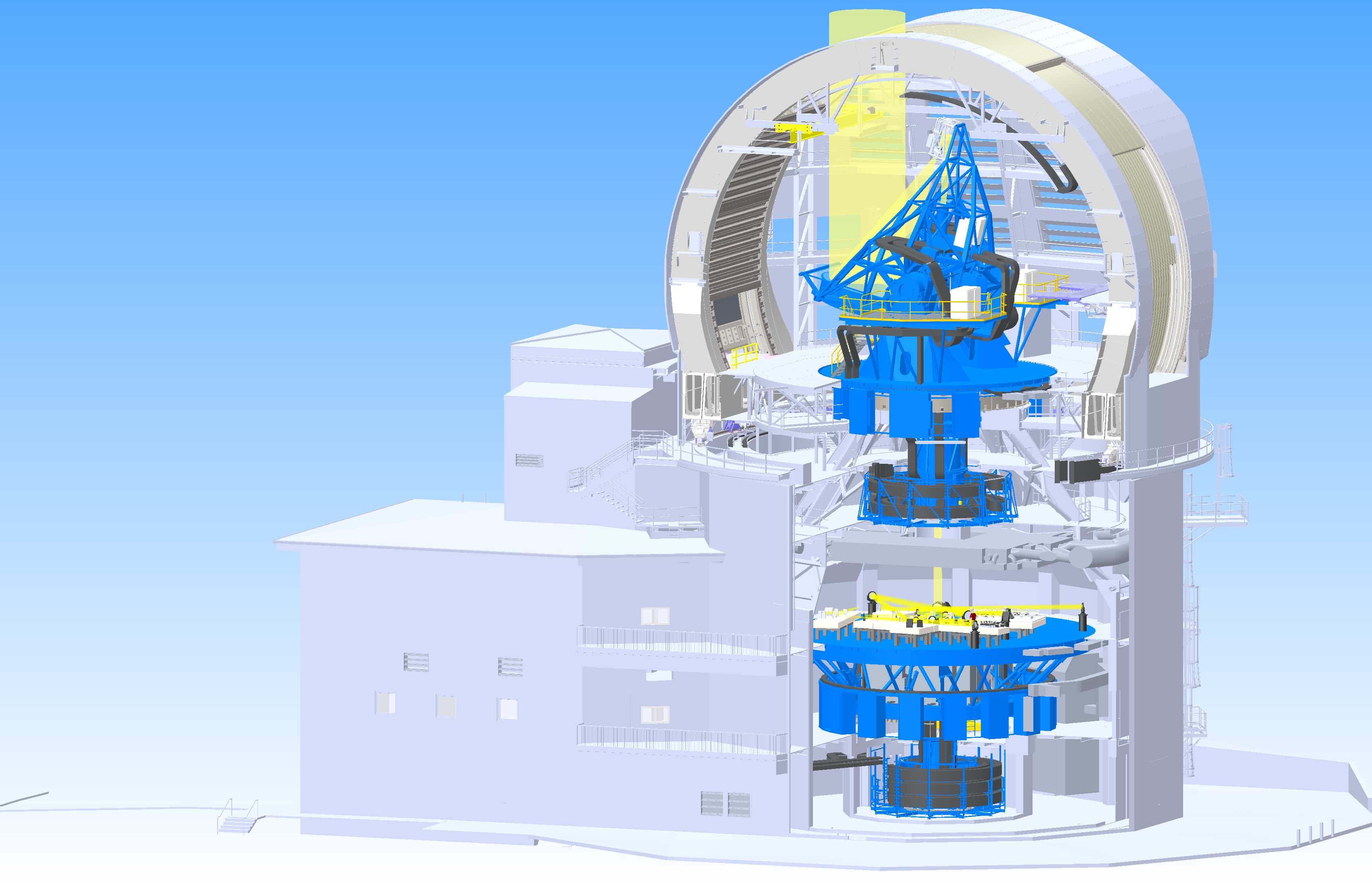
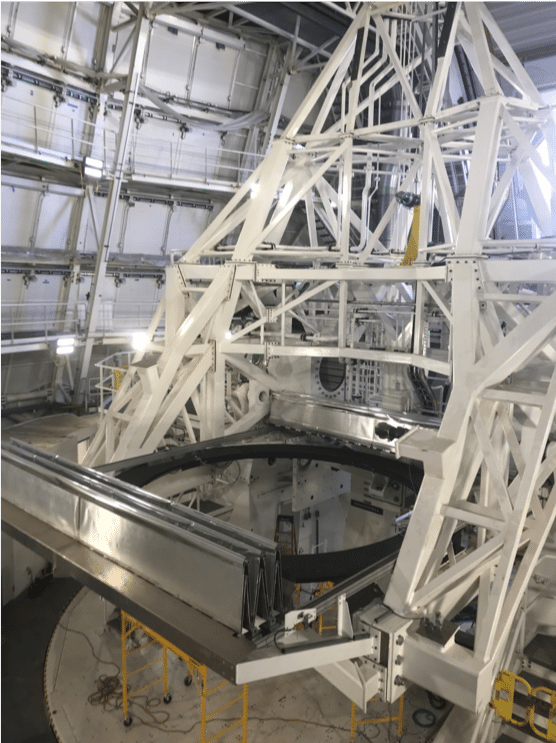
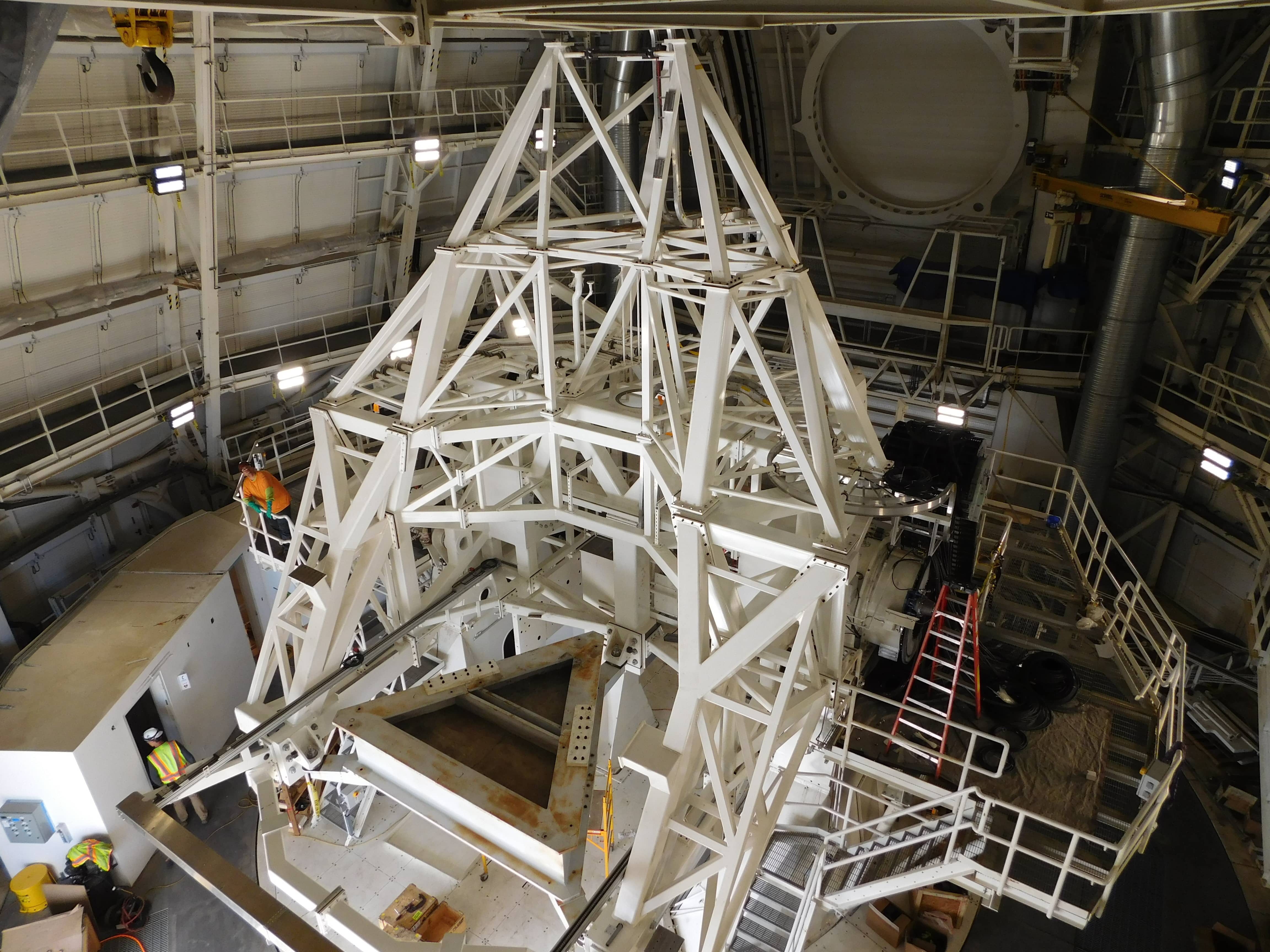
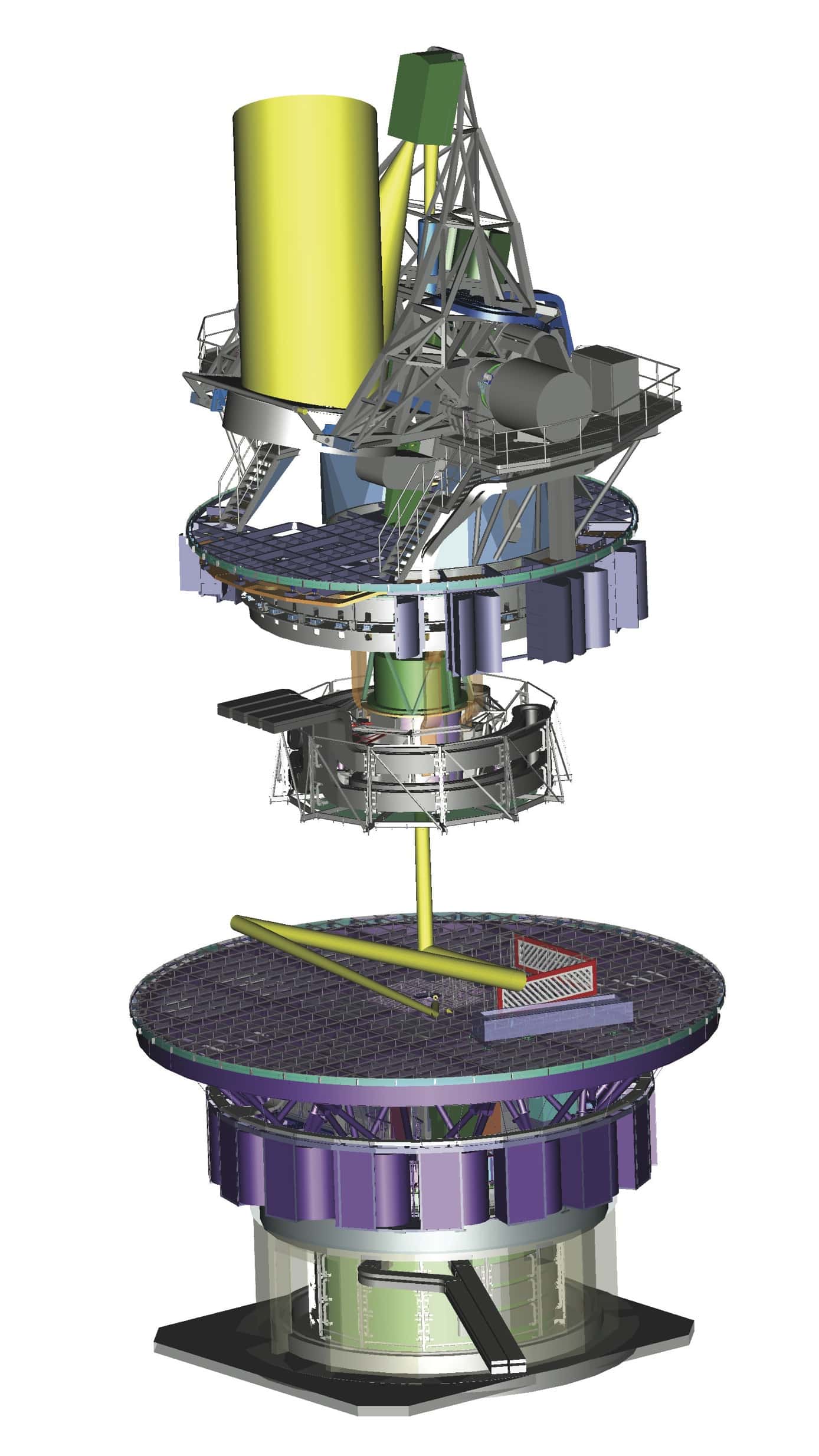
Three elements are responsible for crucial heat protection of the telescope and its mirrors: the coolant system, the dome, and the heat-stop.
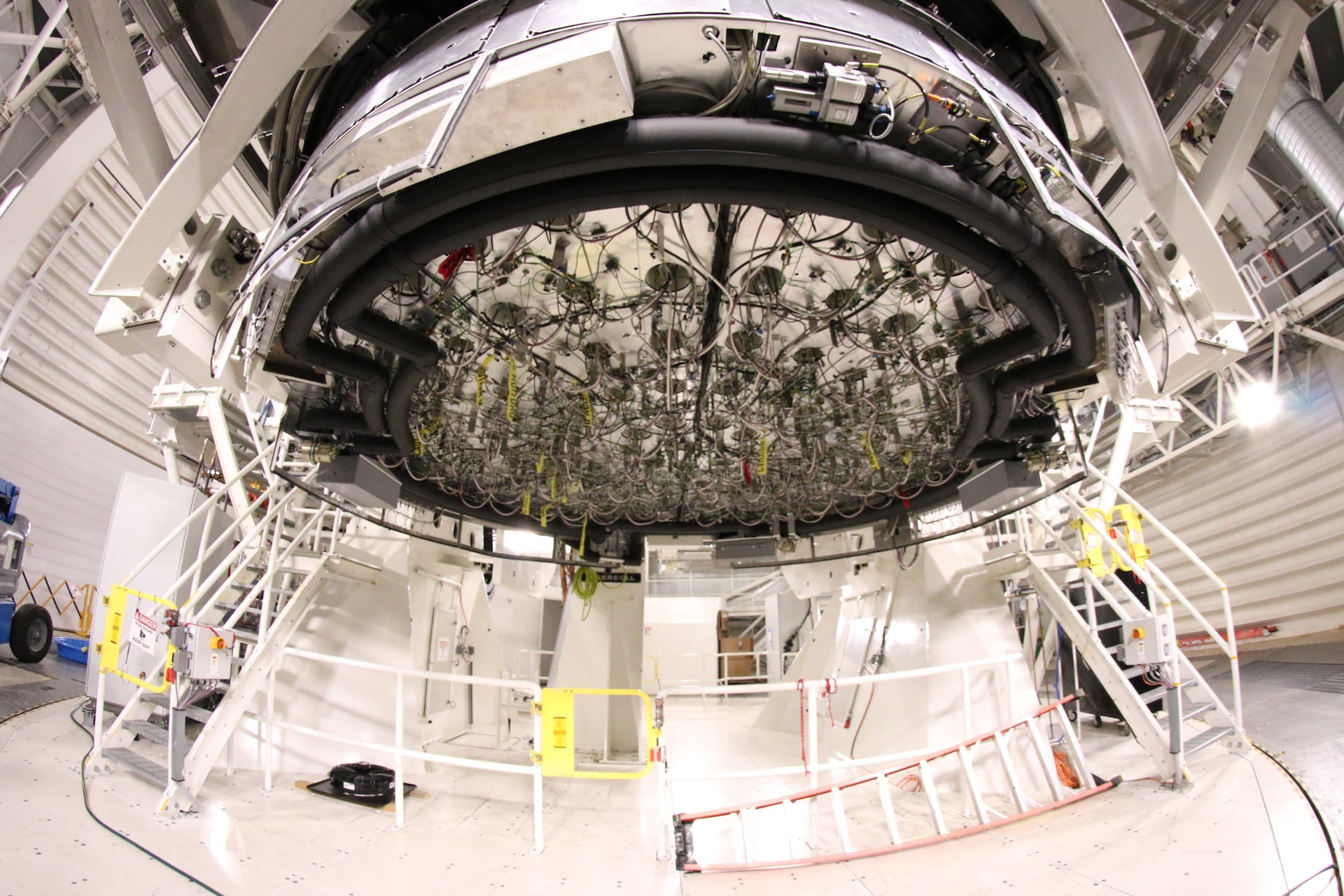
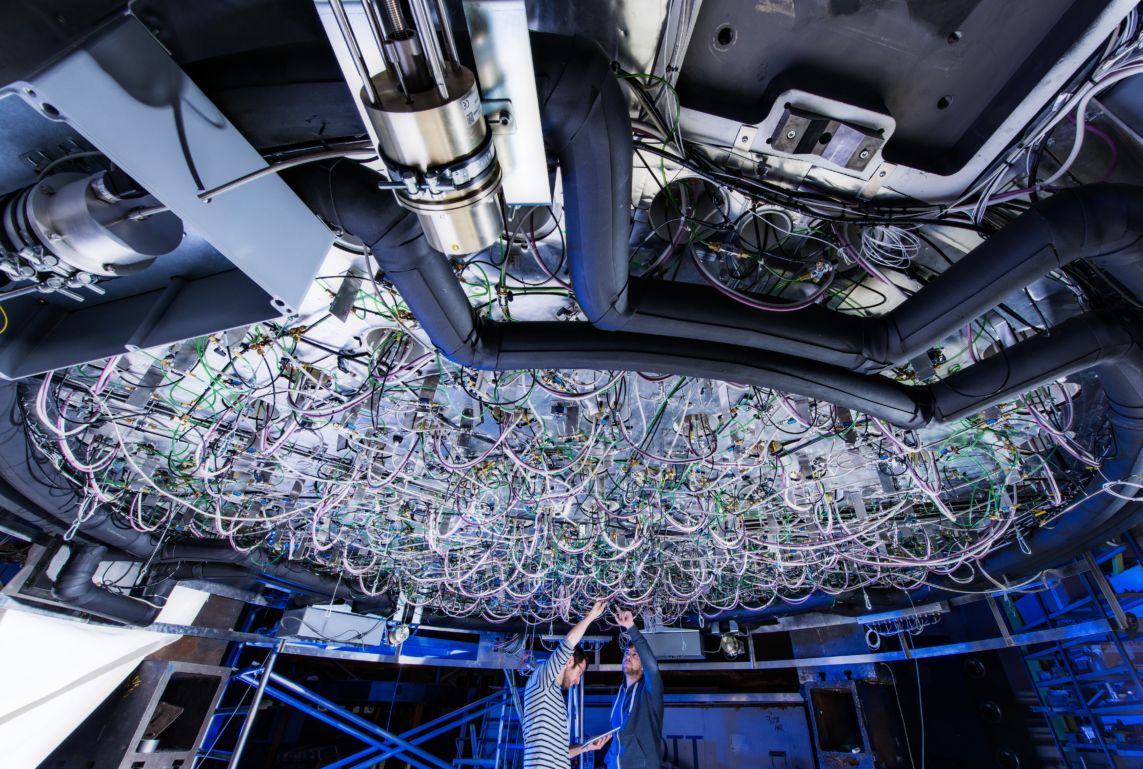
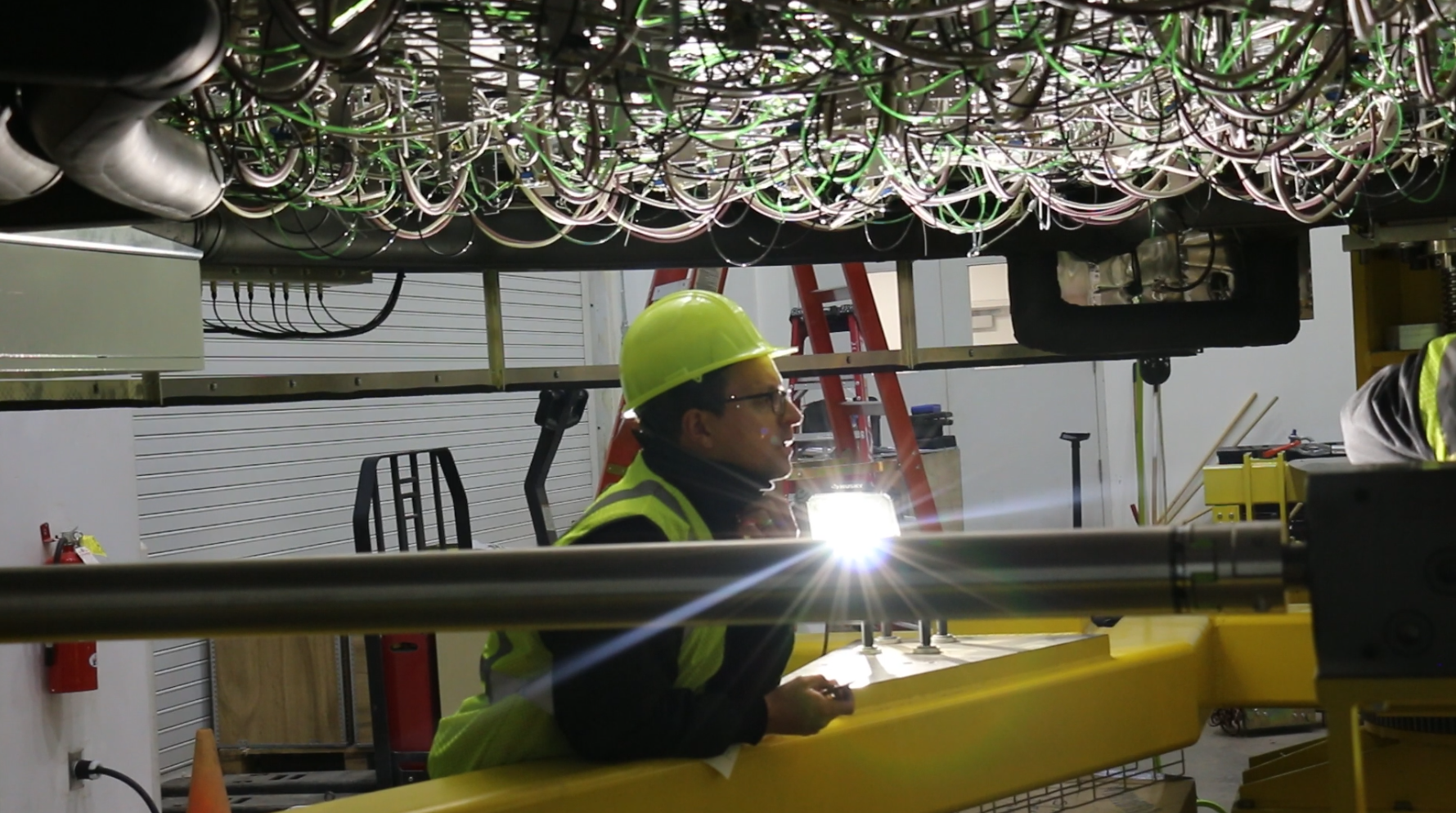
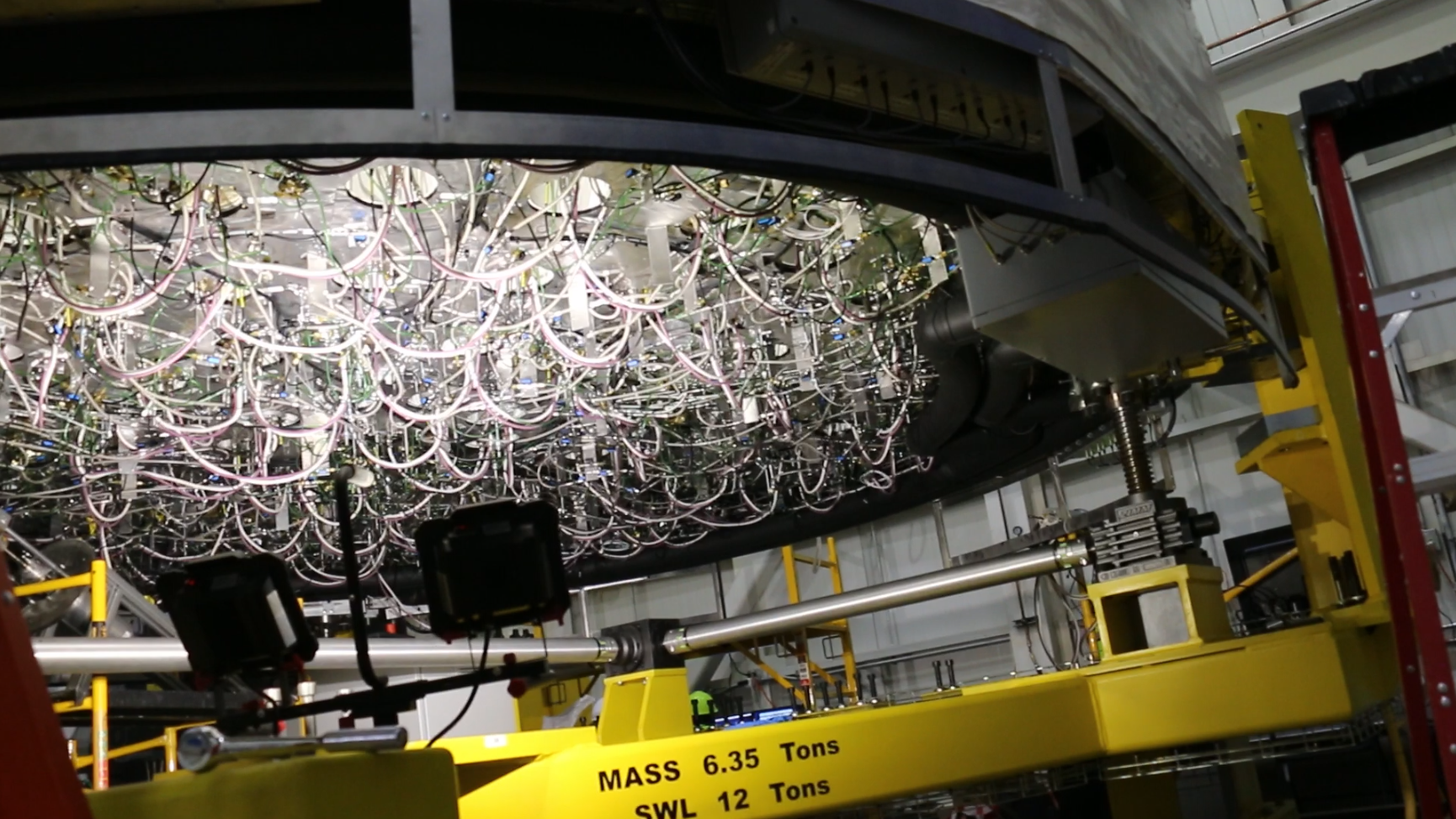
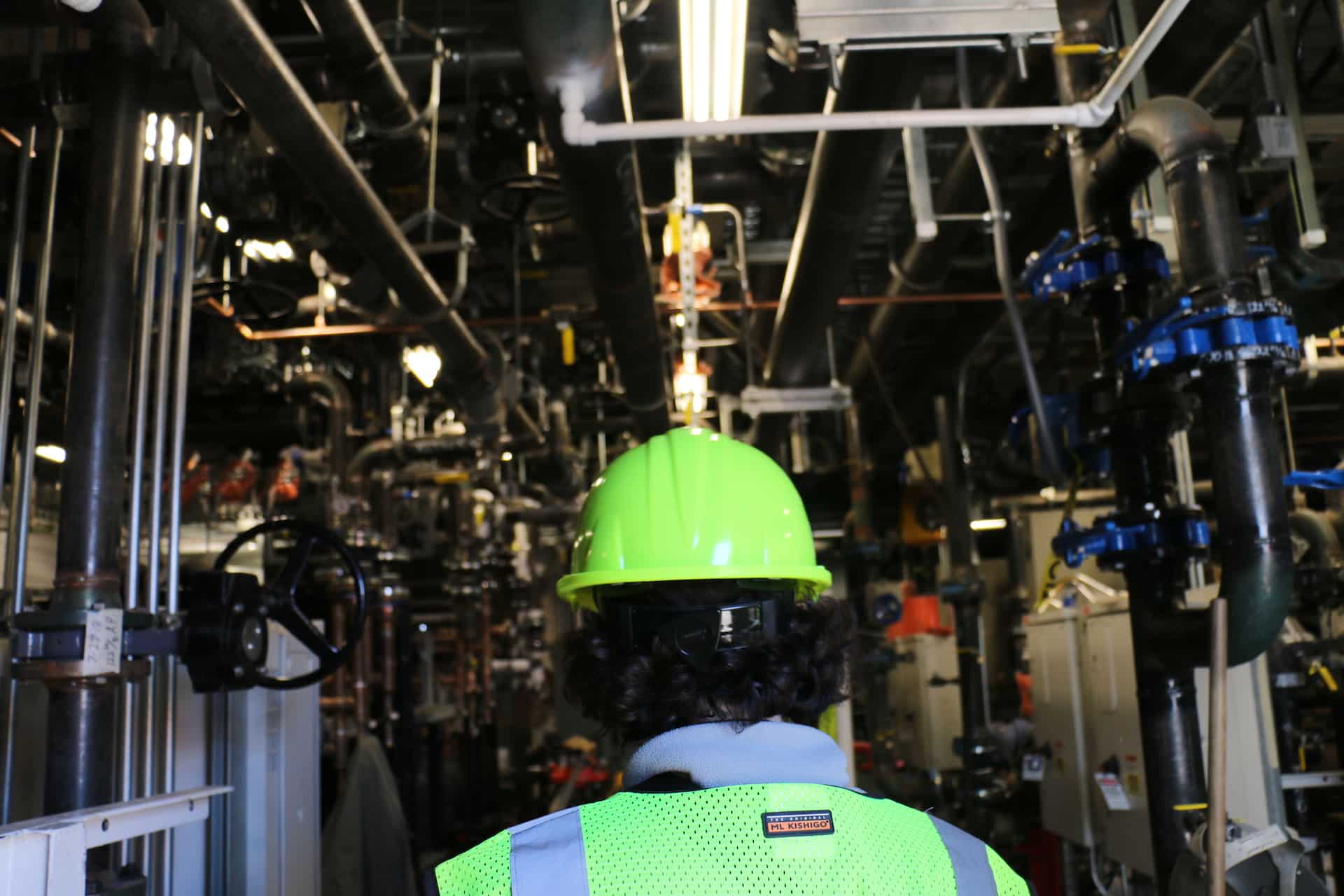
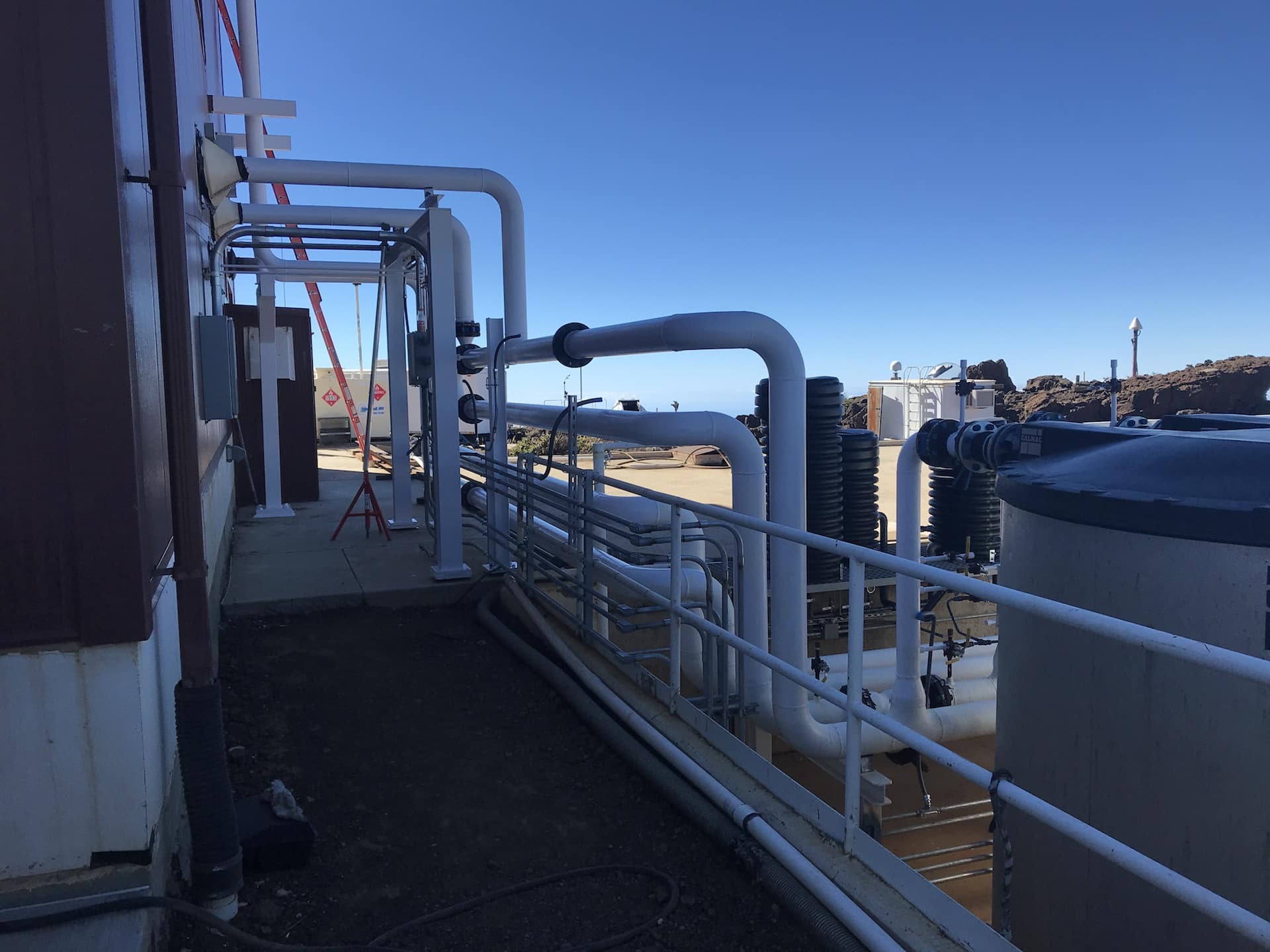
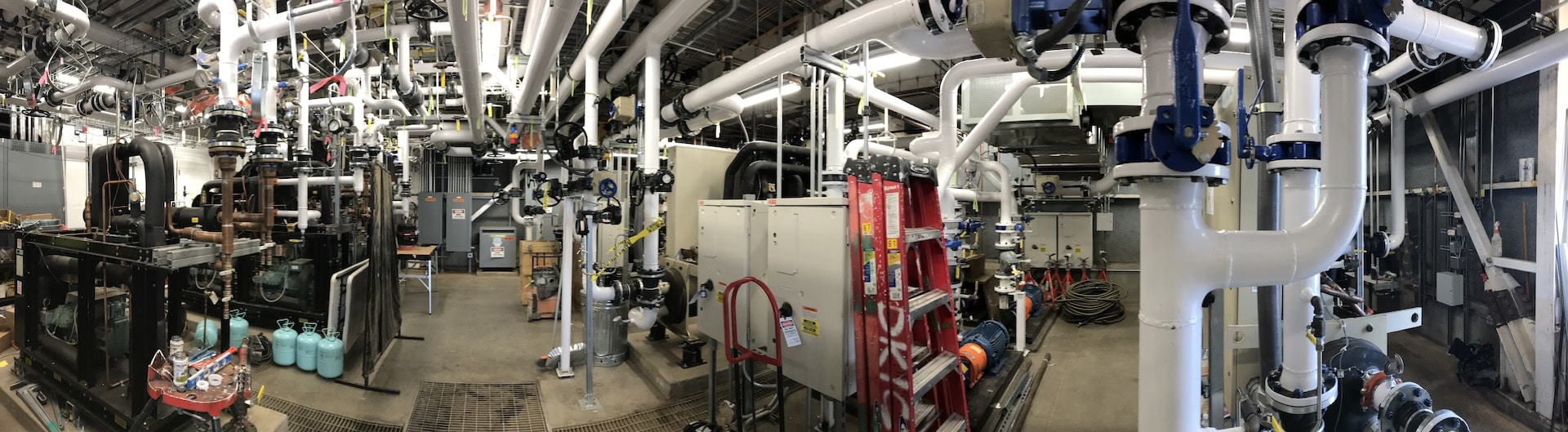
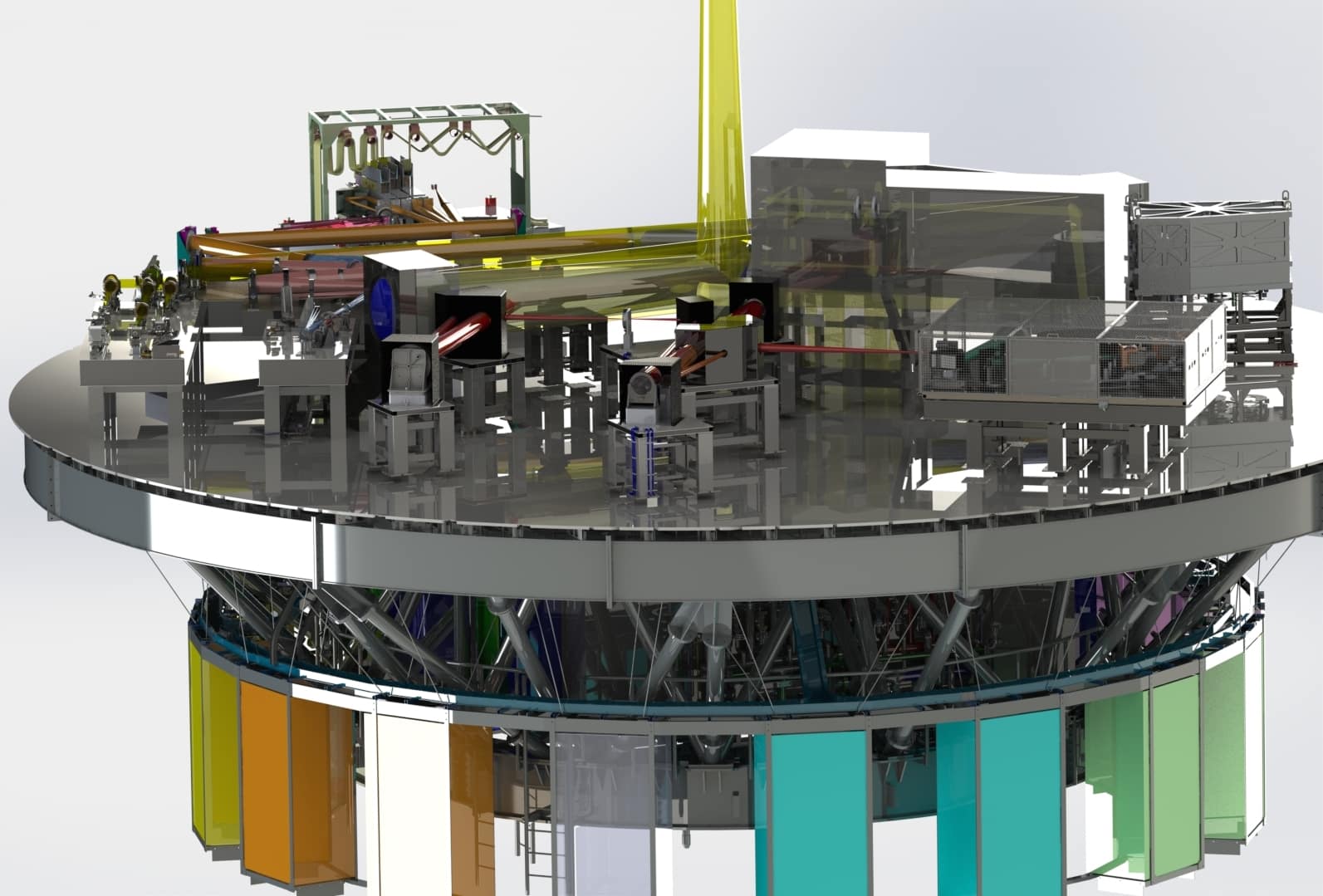
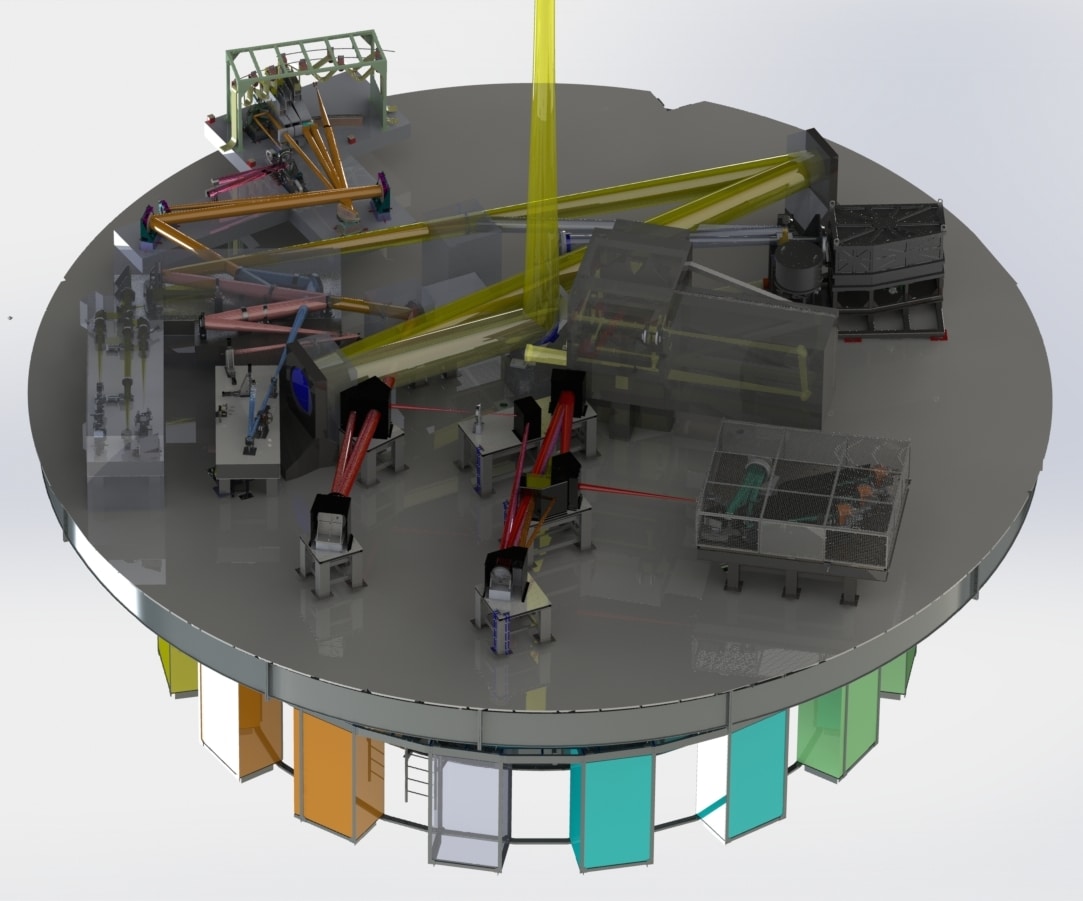
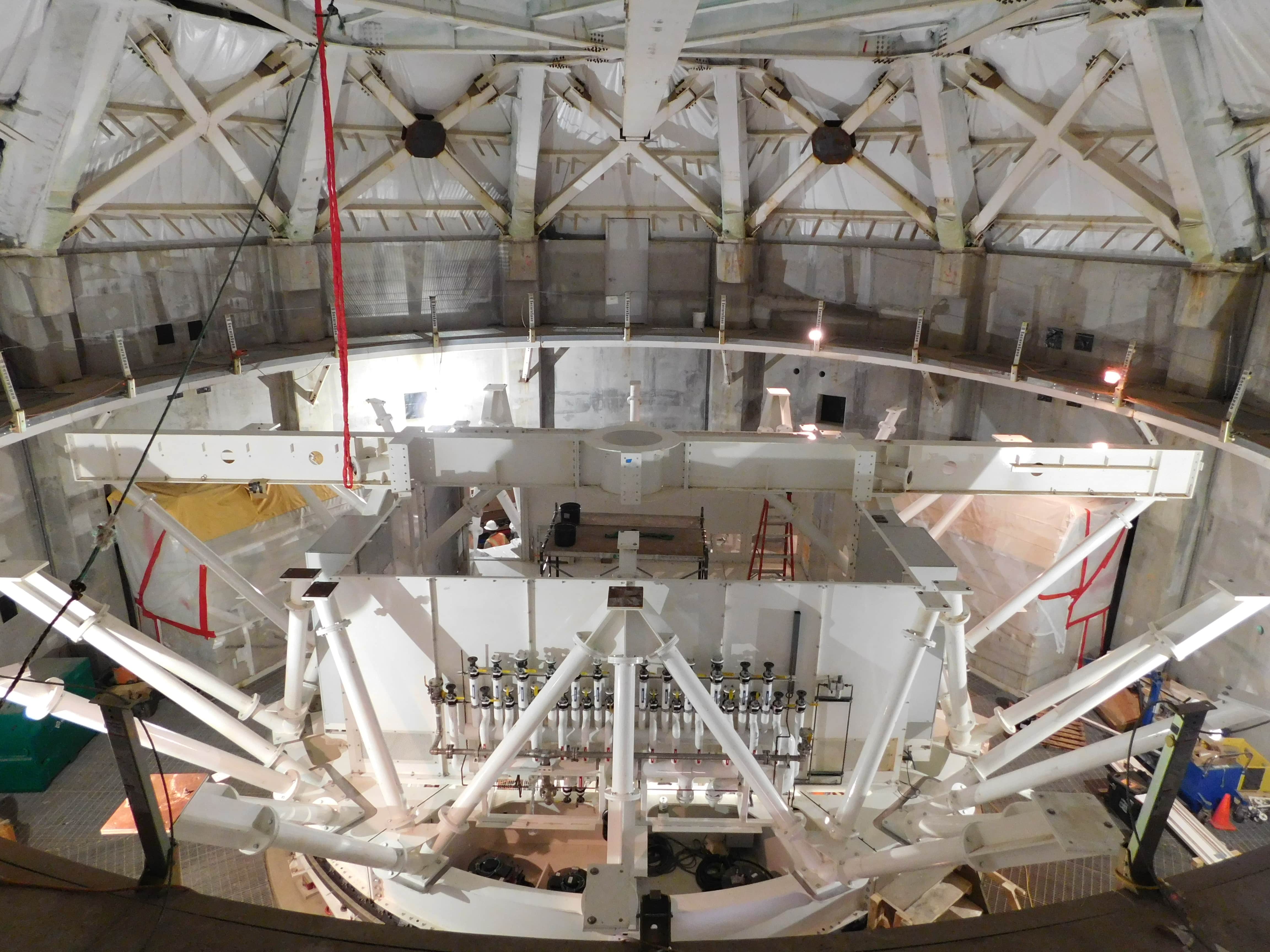
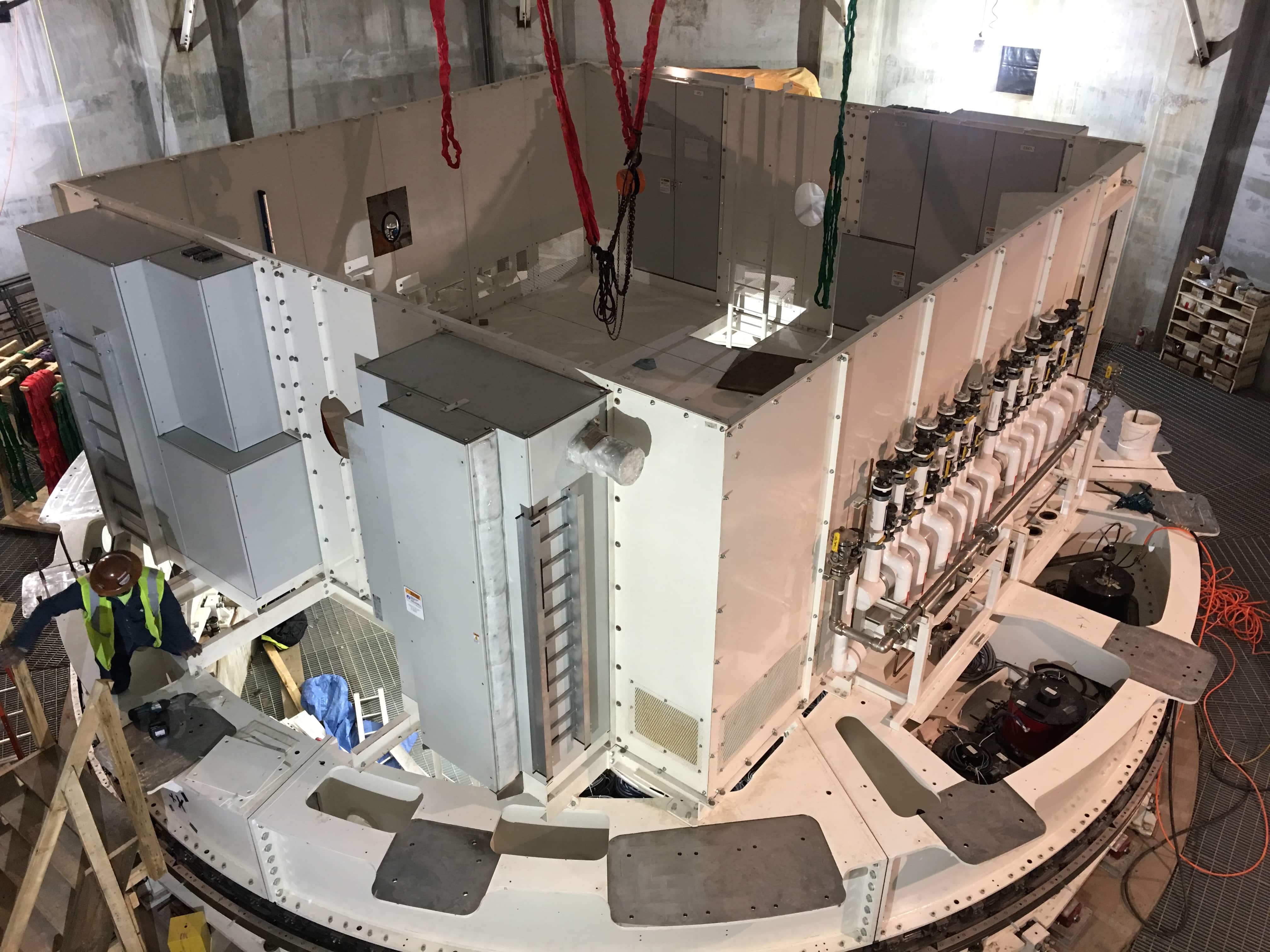
More than seven miles of piping distribute coolant throughout the observatory. The coolant – dynalene – is partly chilled by ice, which is created at the observatory during the night. The coolant is distributed throughout the observatory systems, including the dome and the heat-stop.
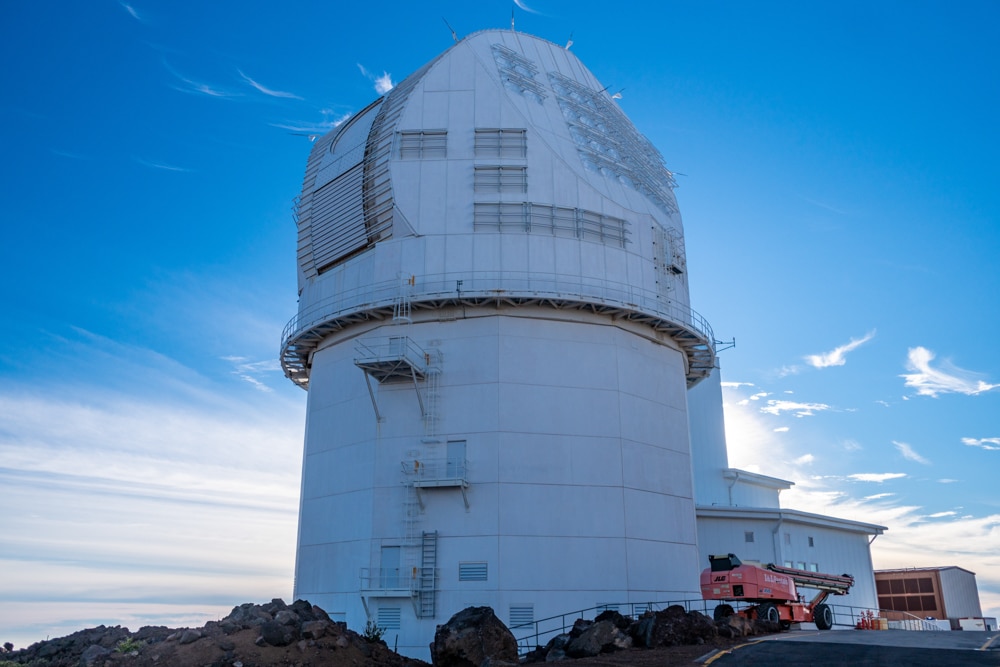
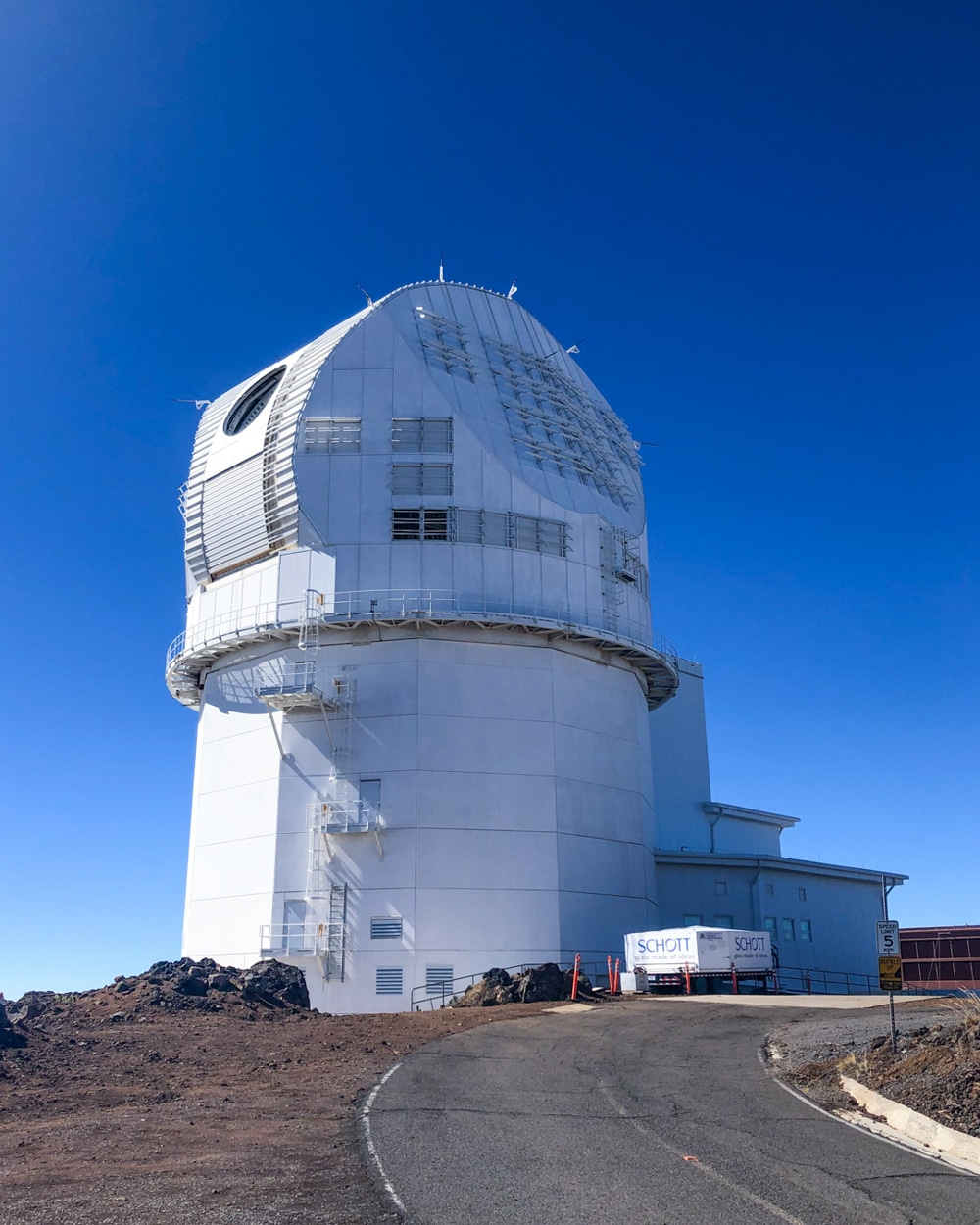
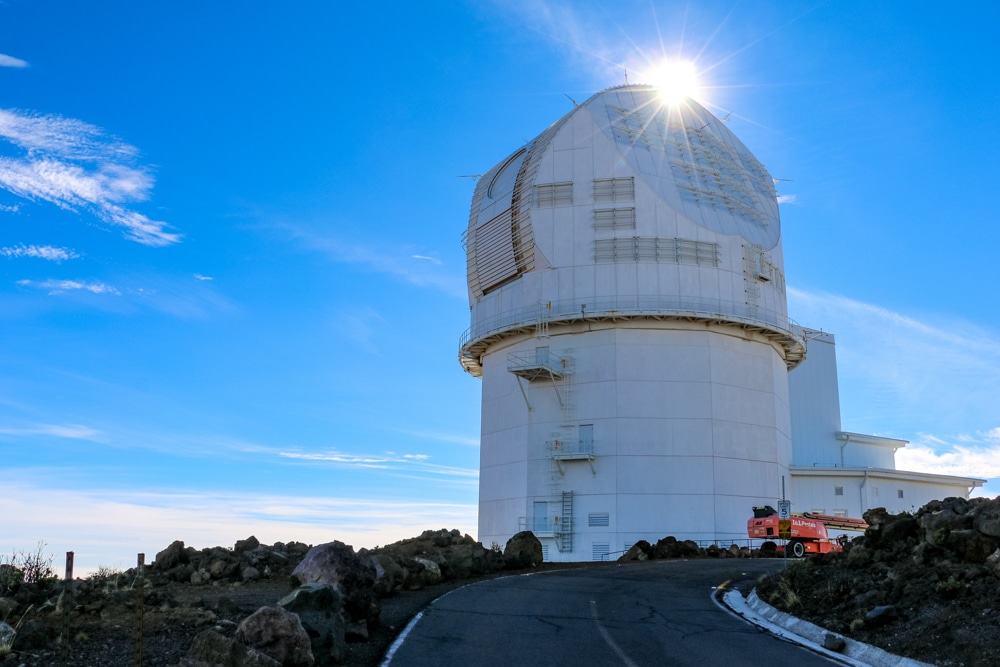
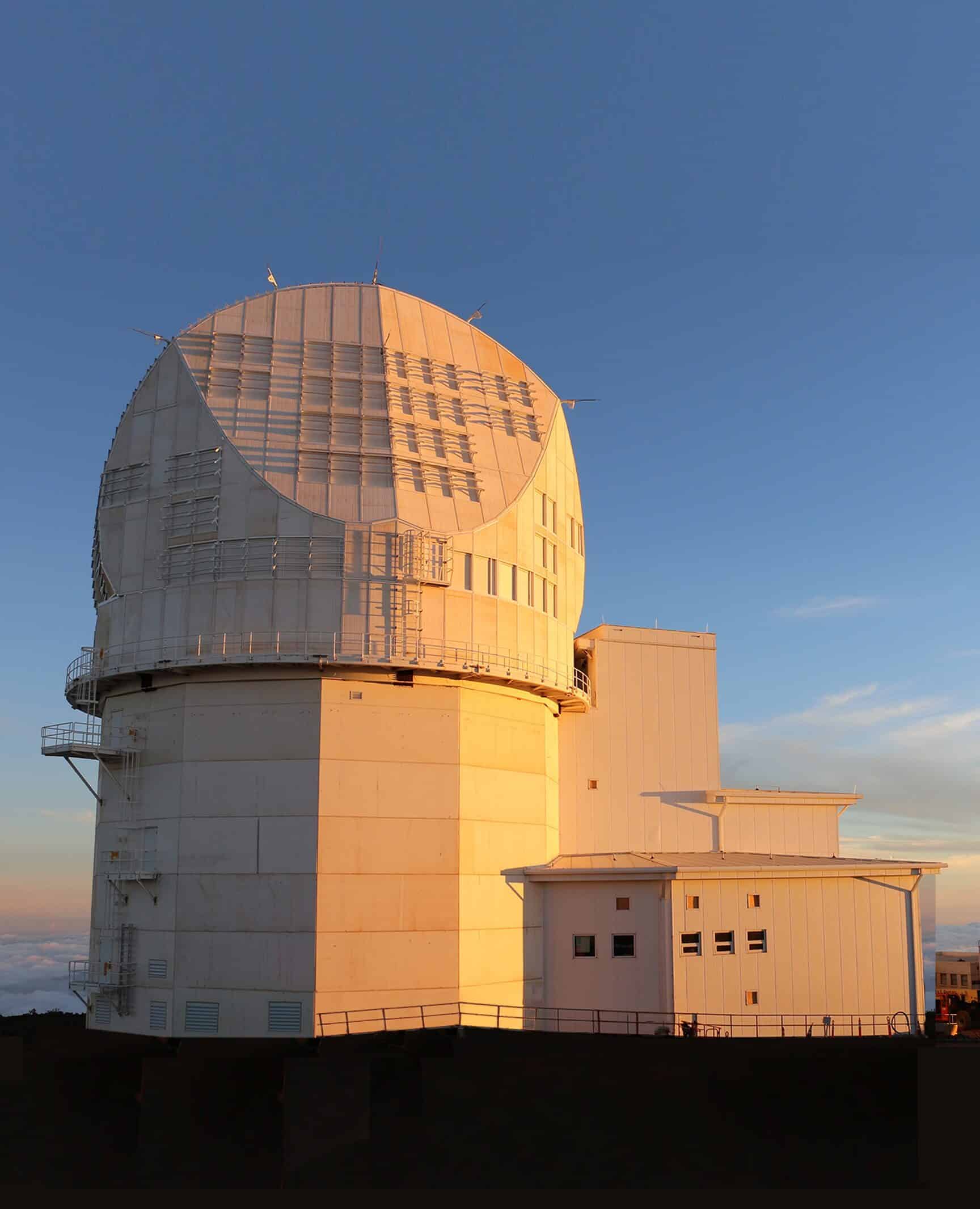
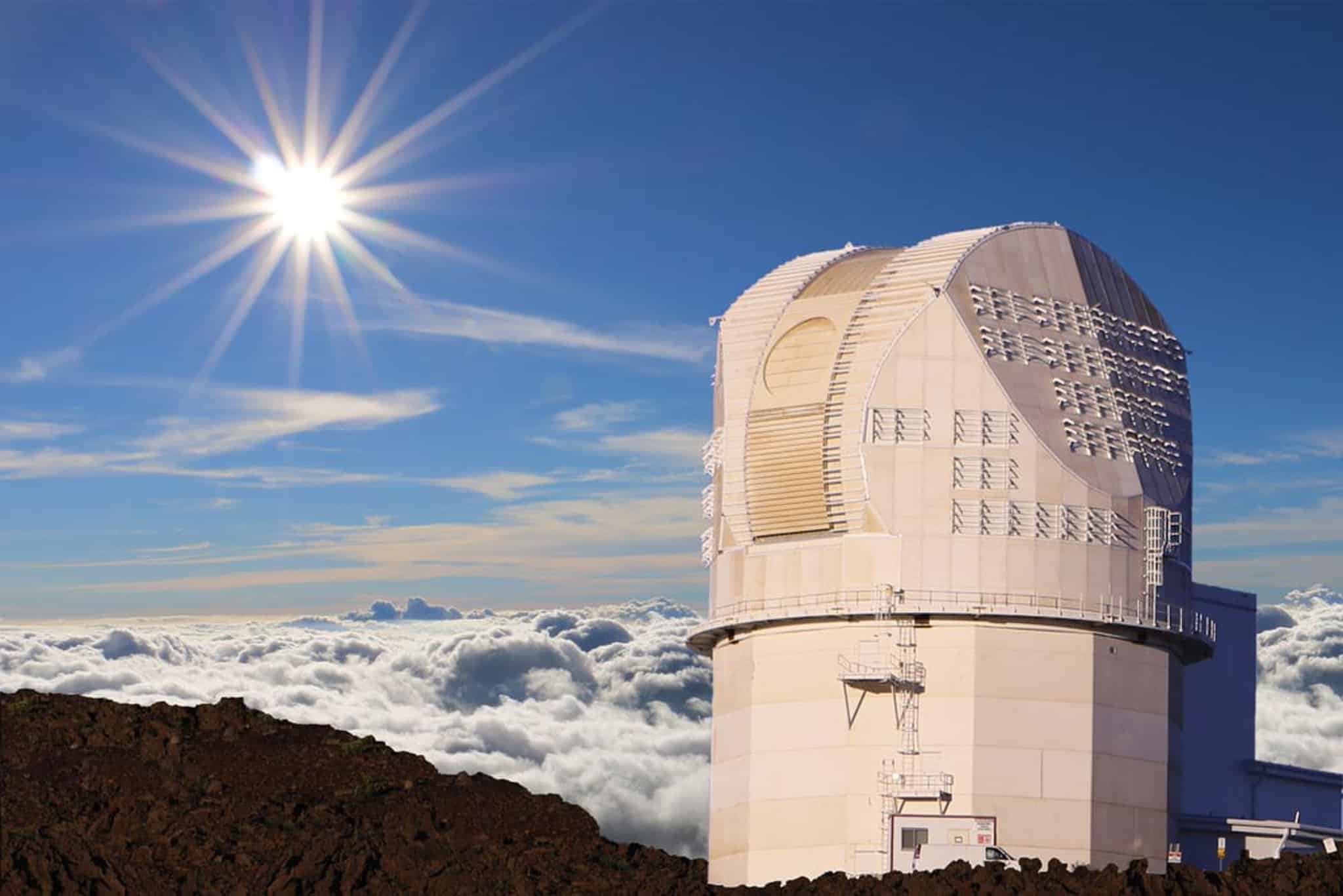
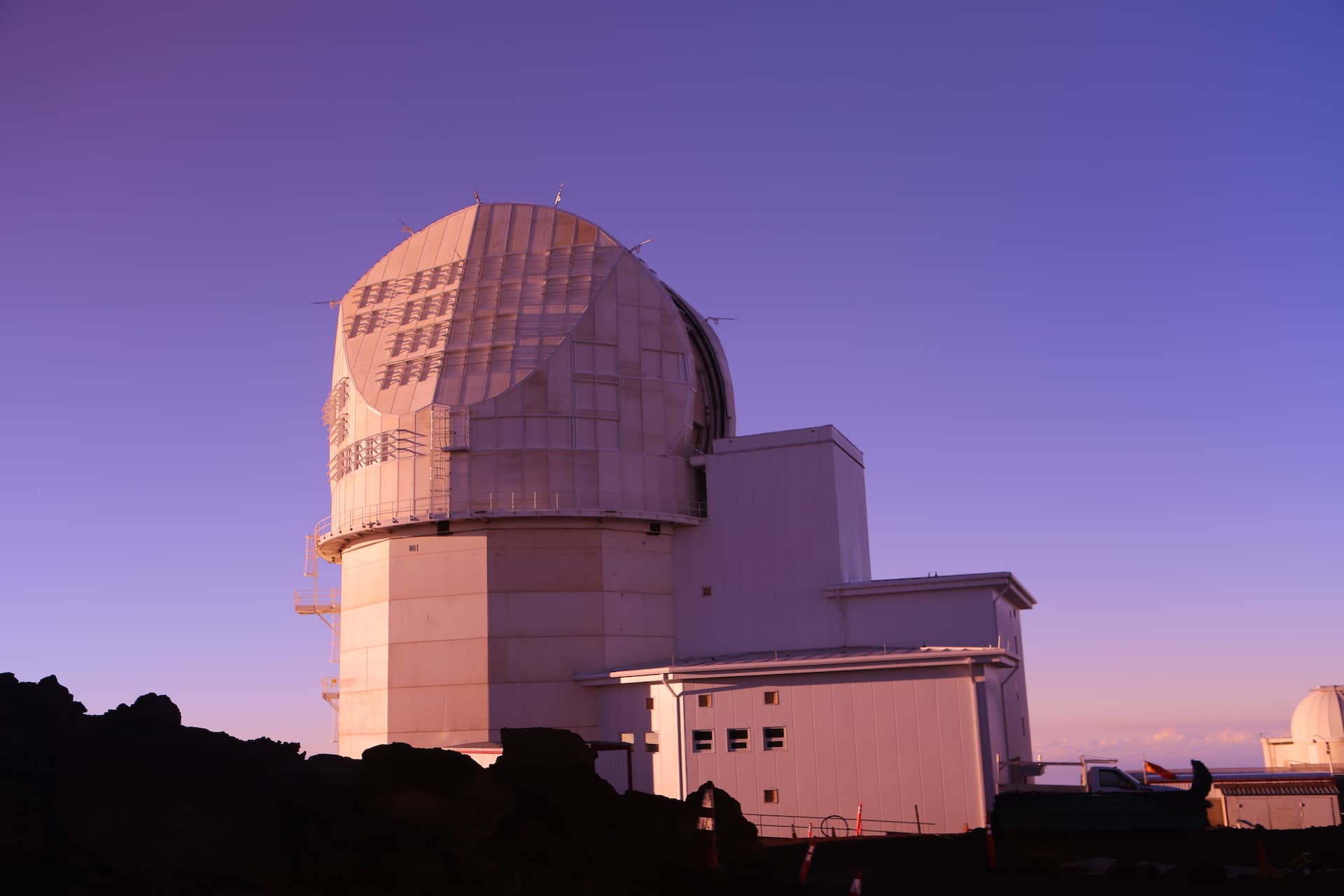
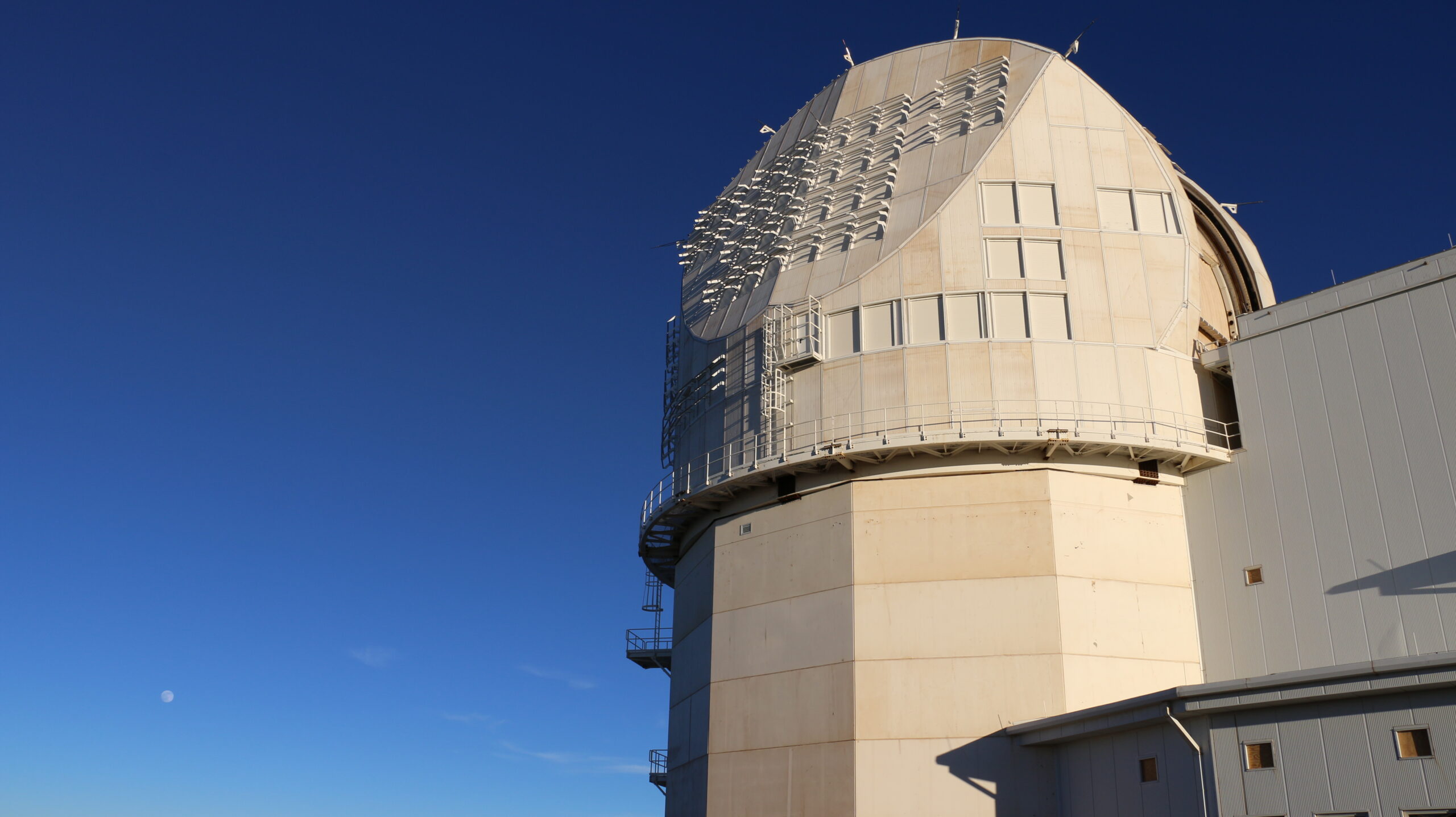
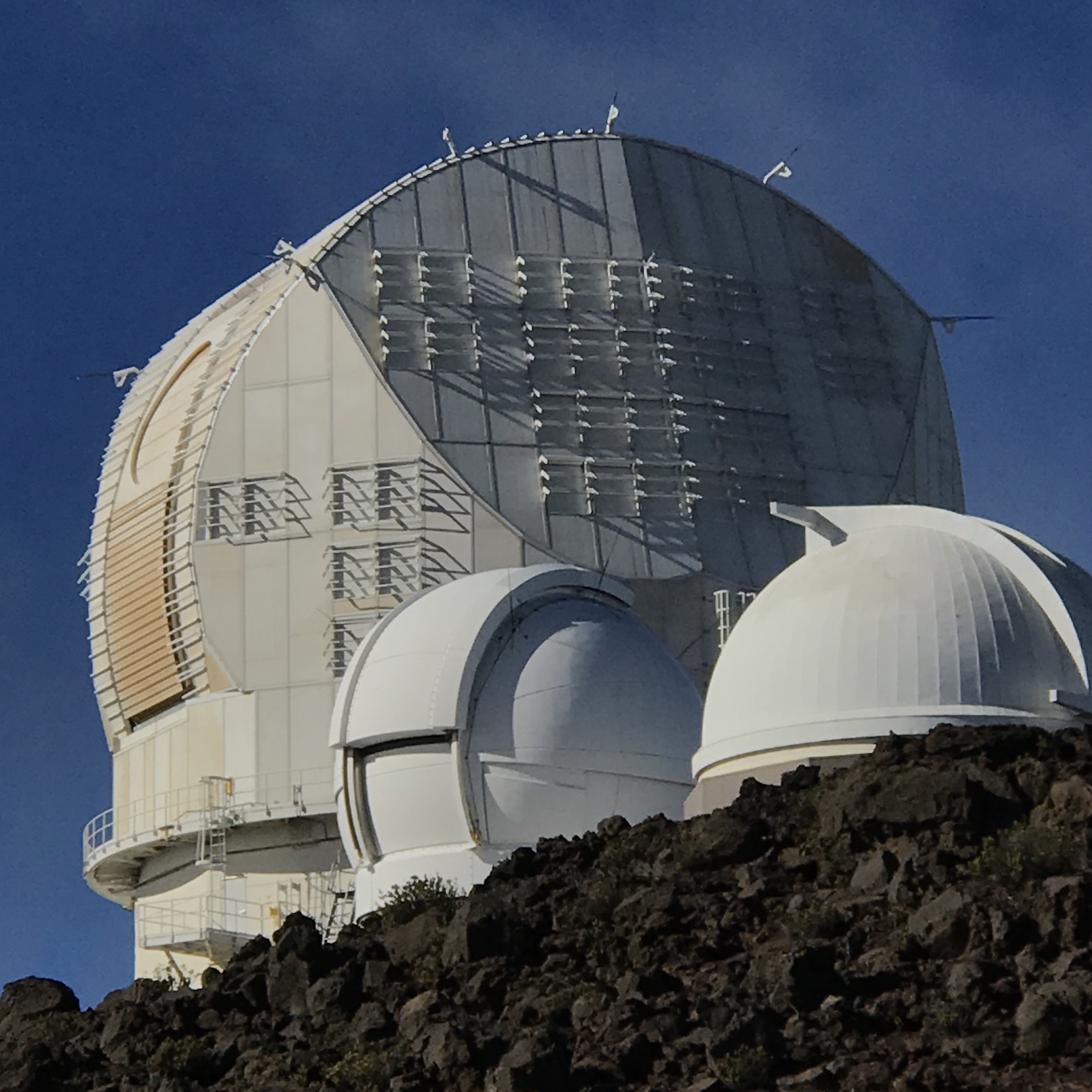
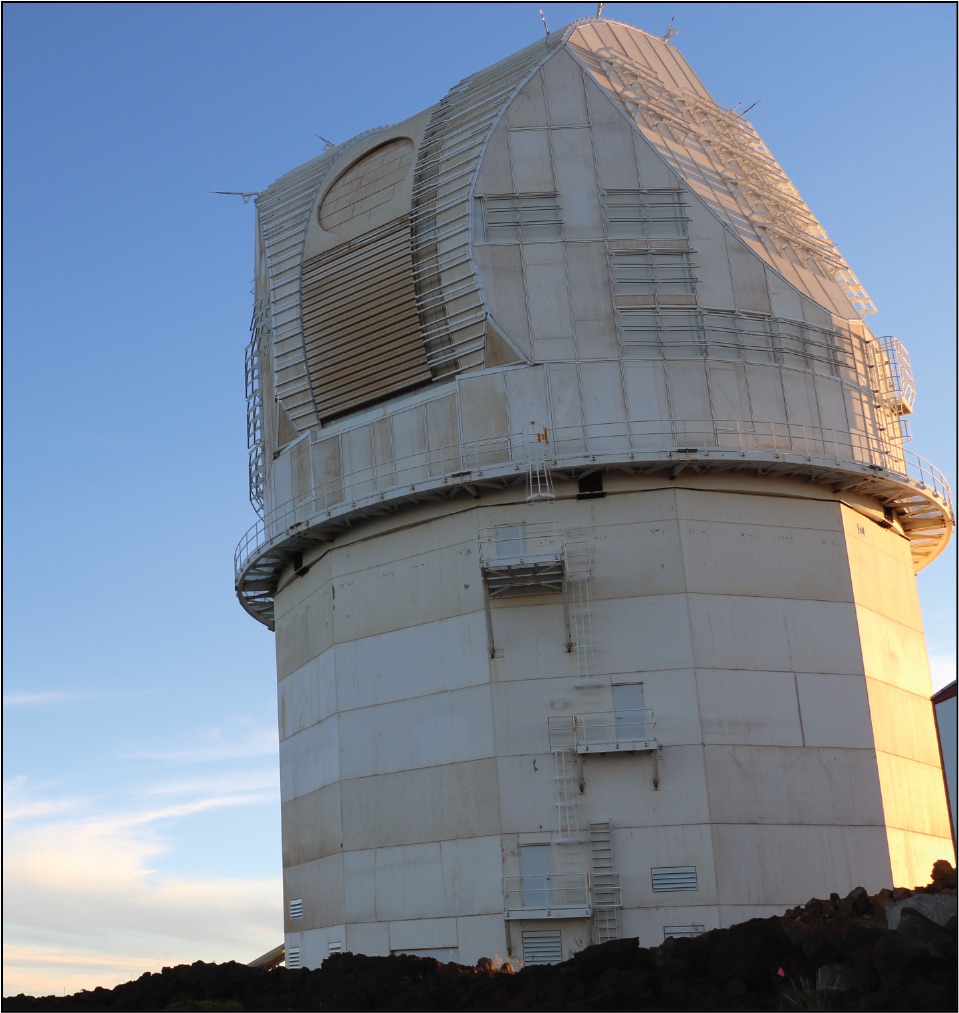
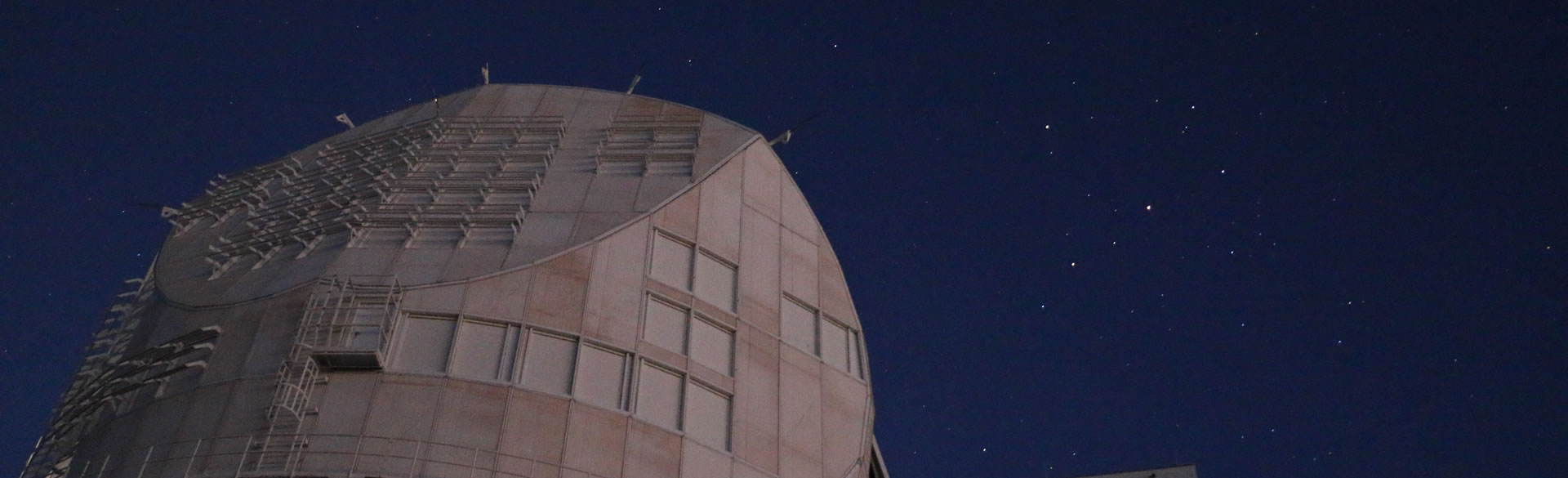
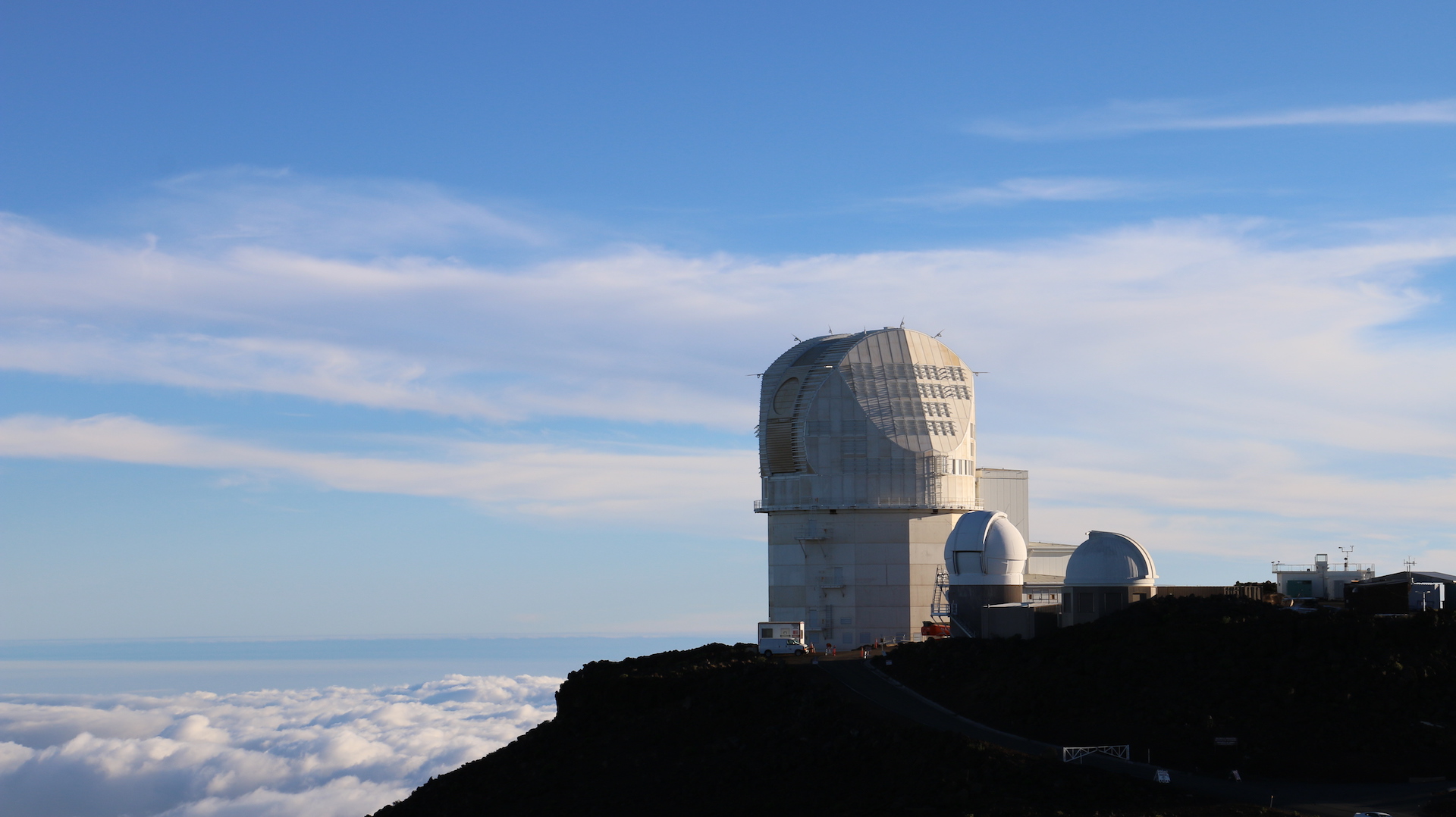
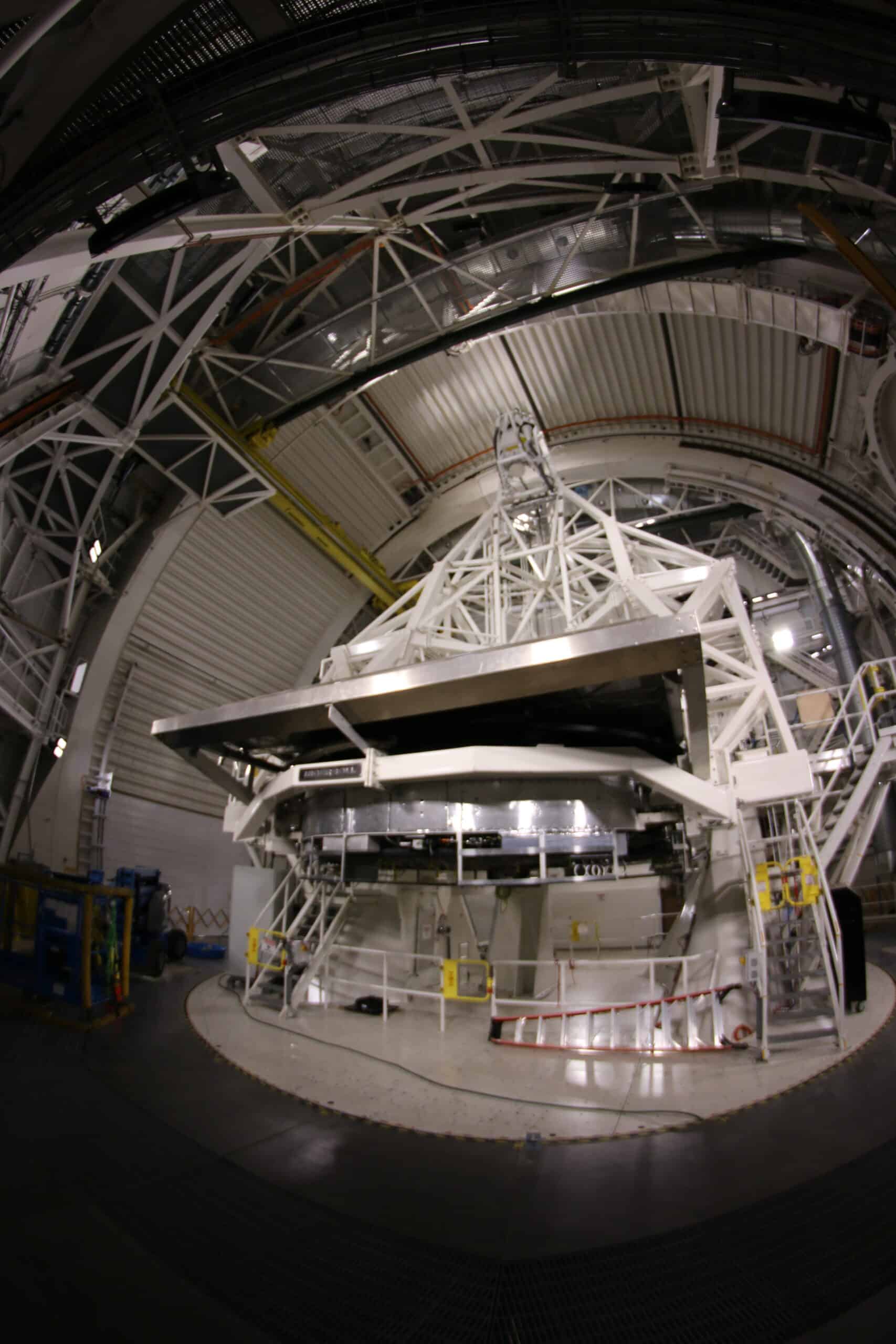
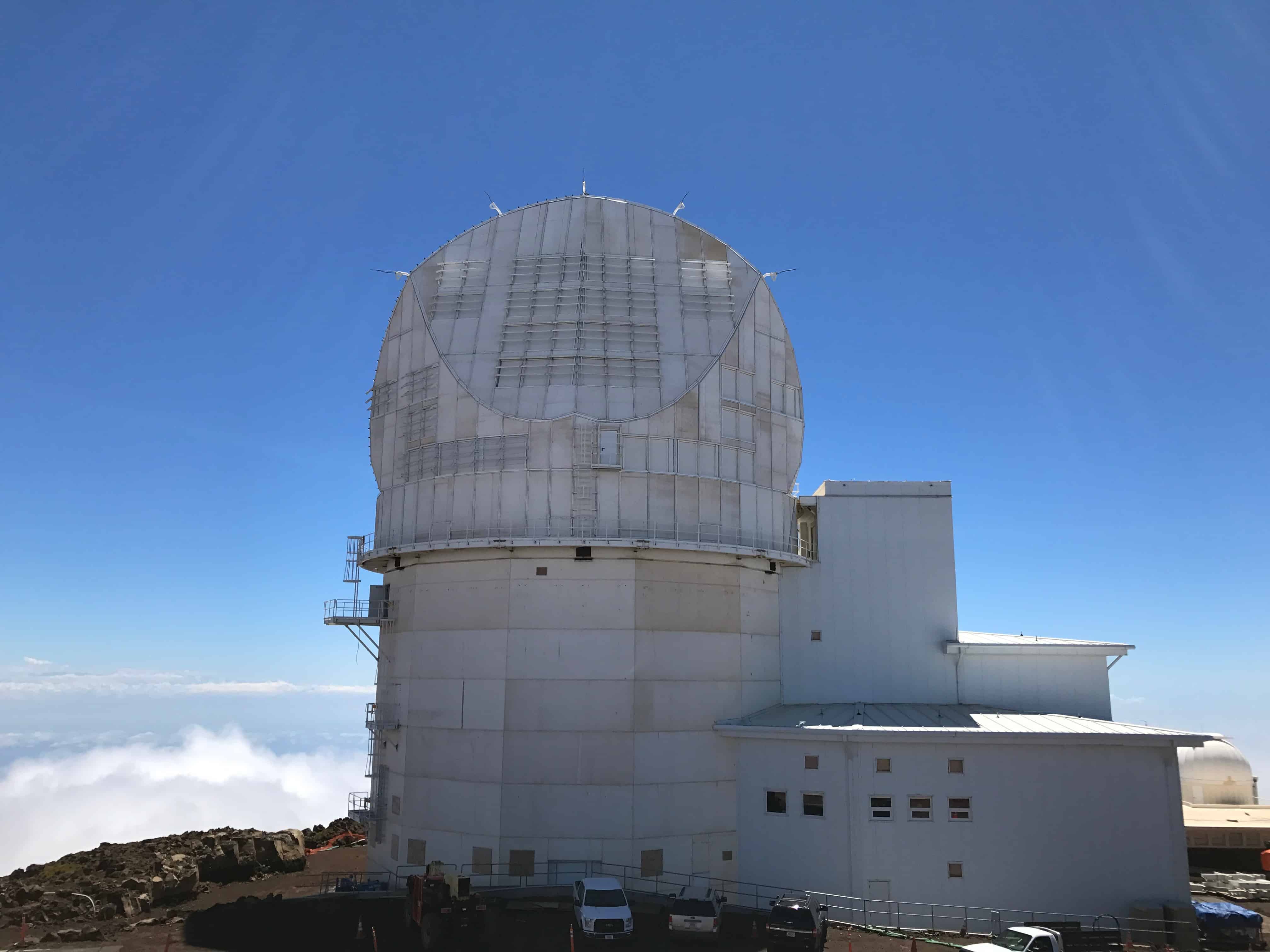
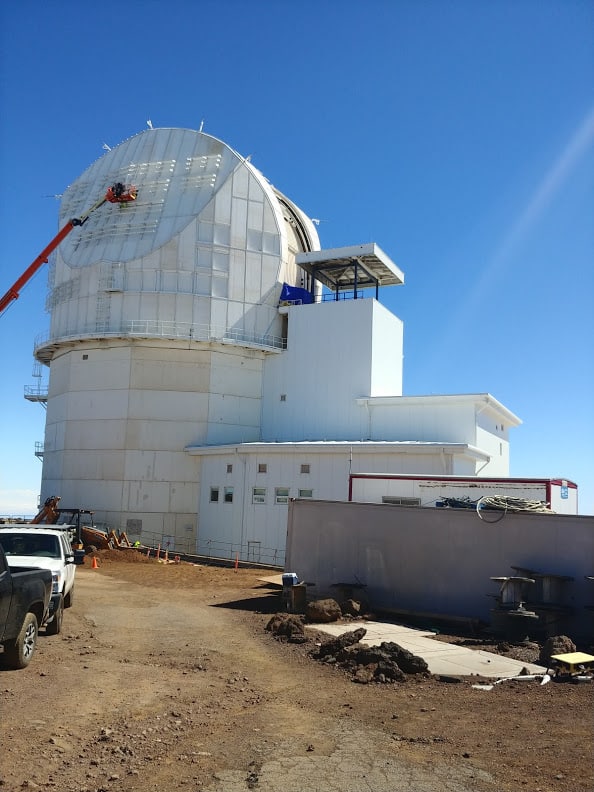
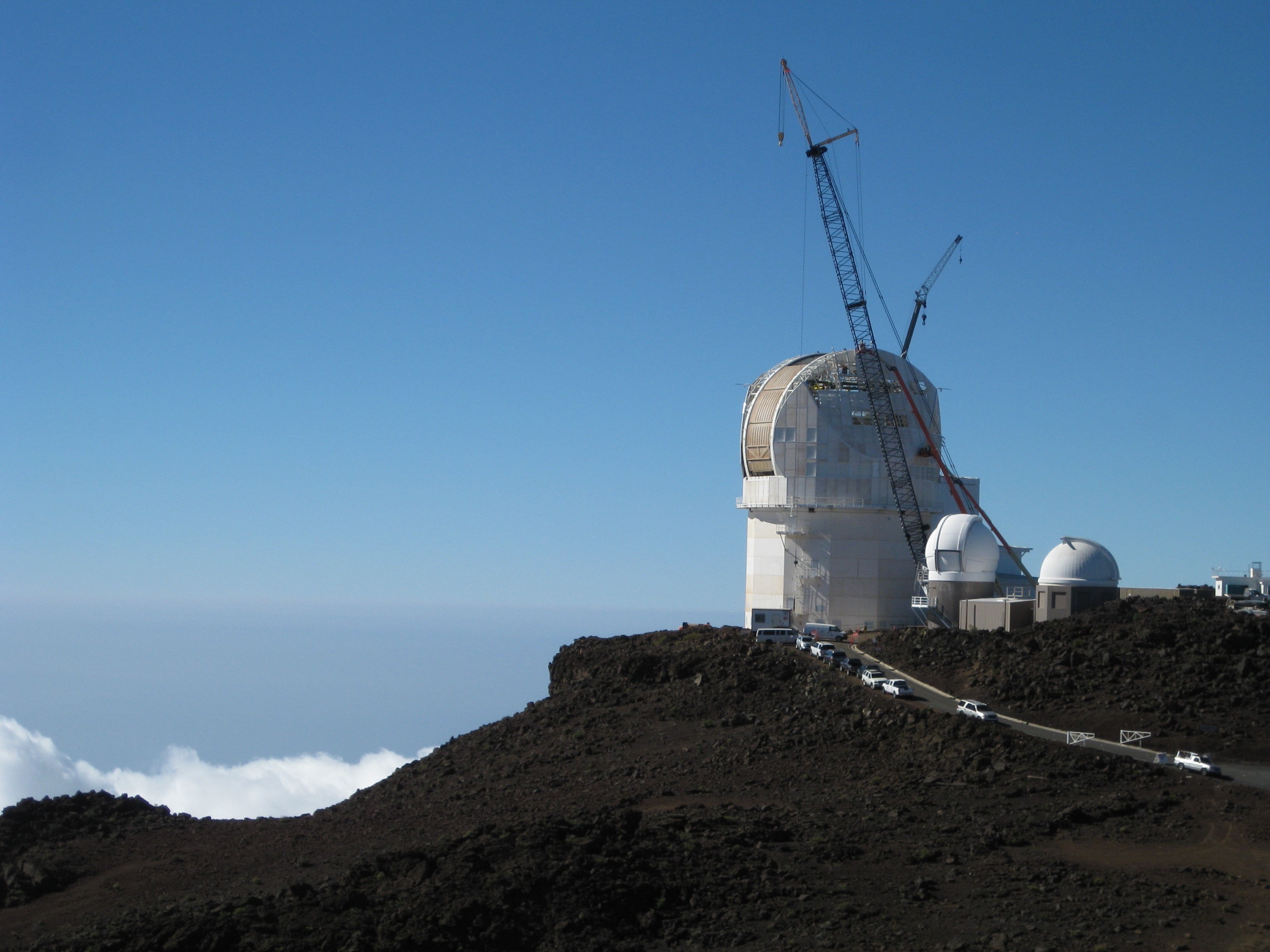
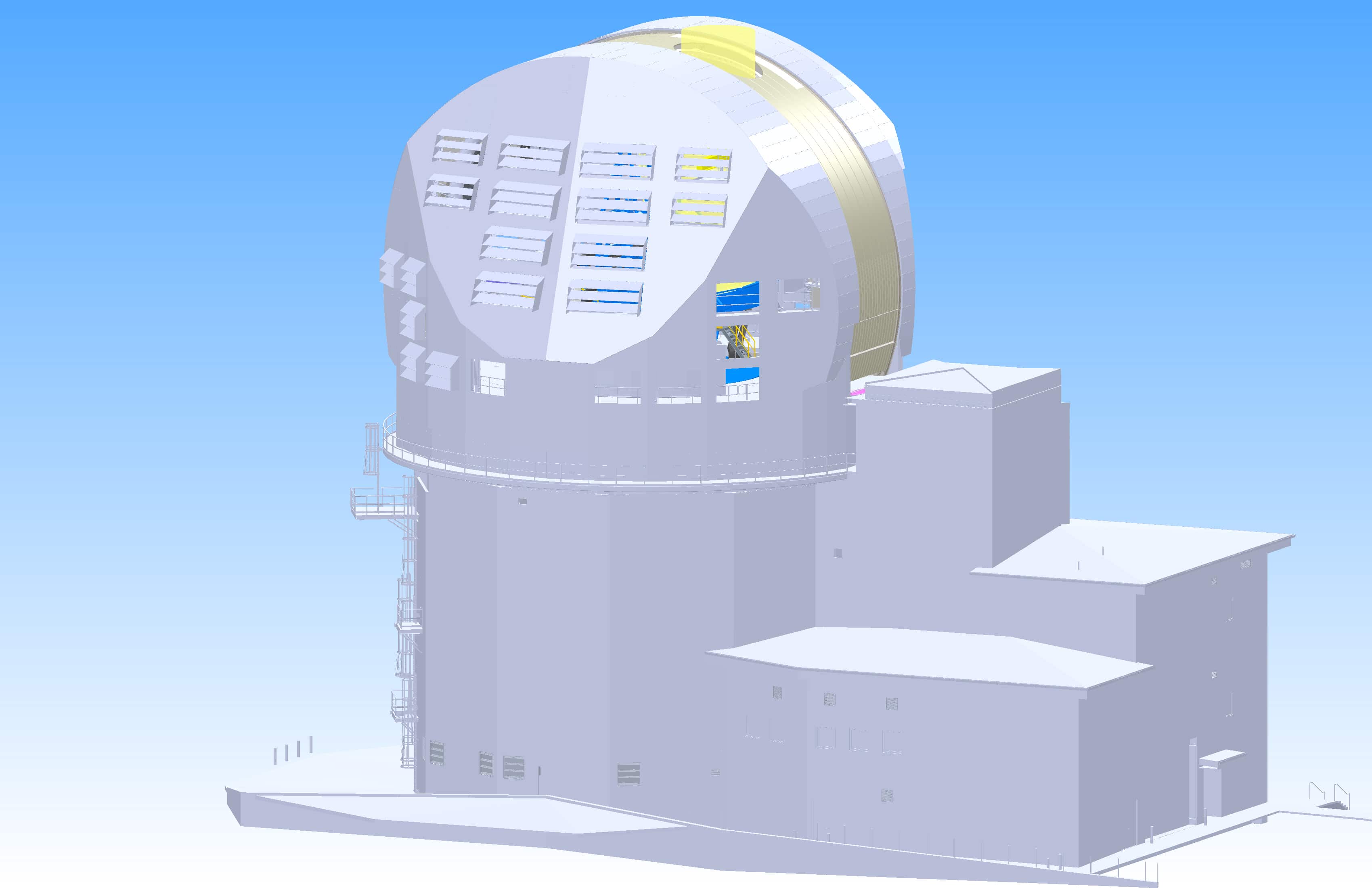
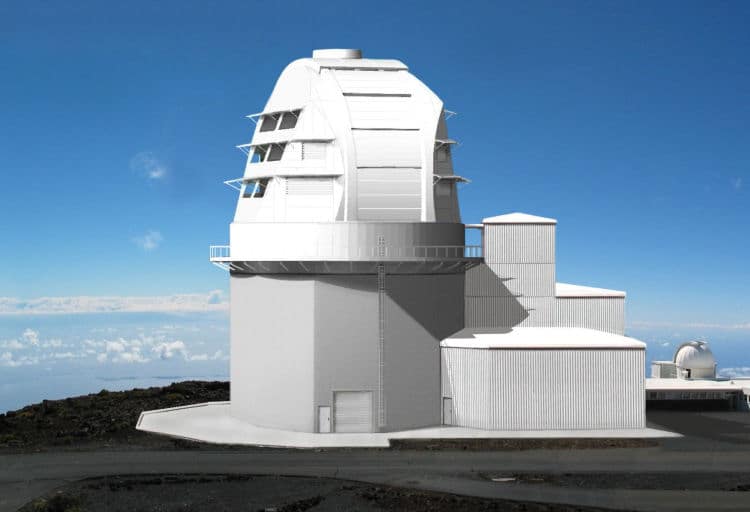
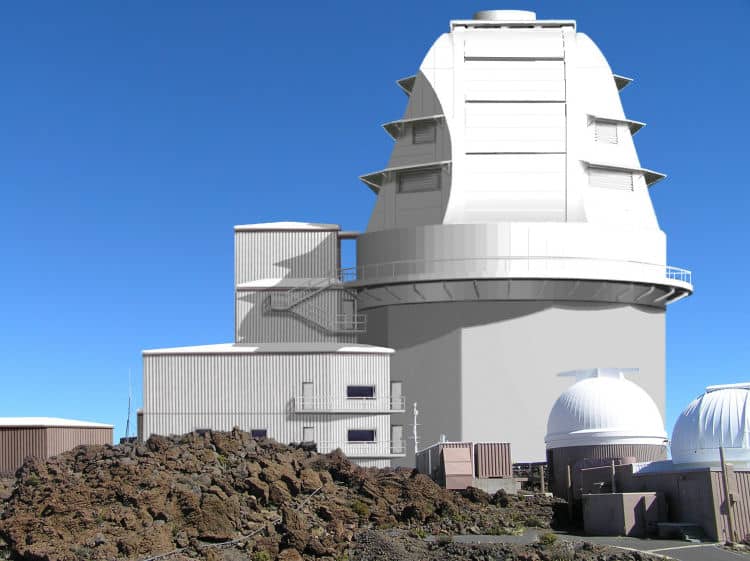
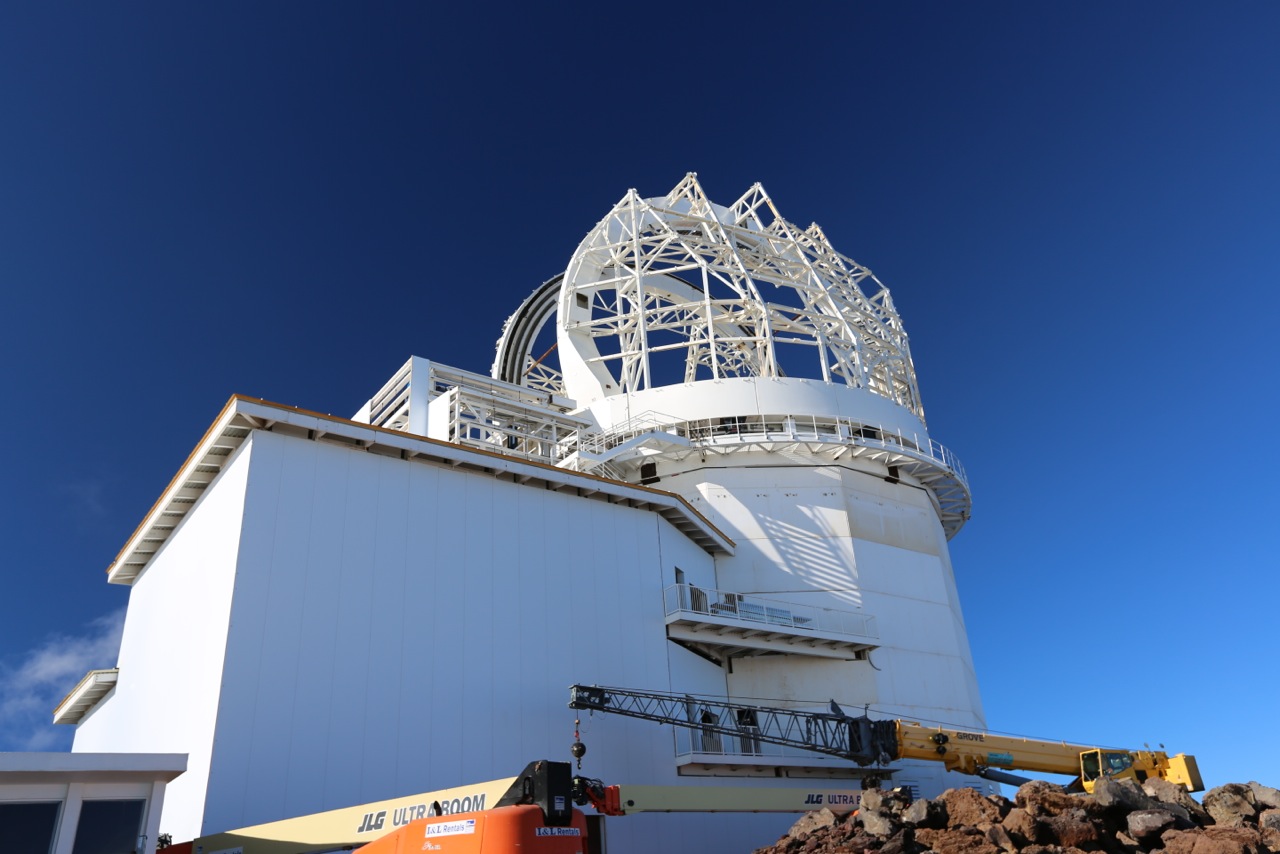
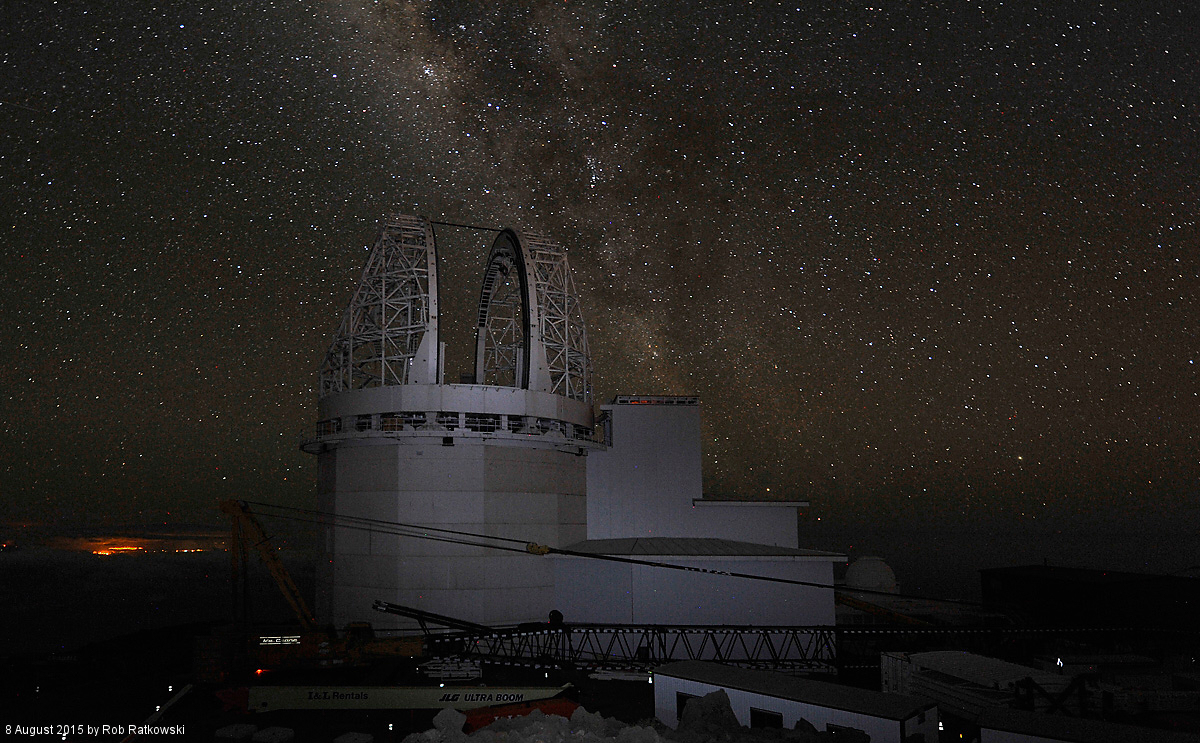
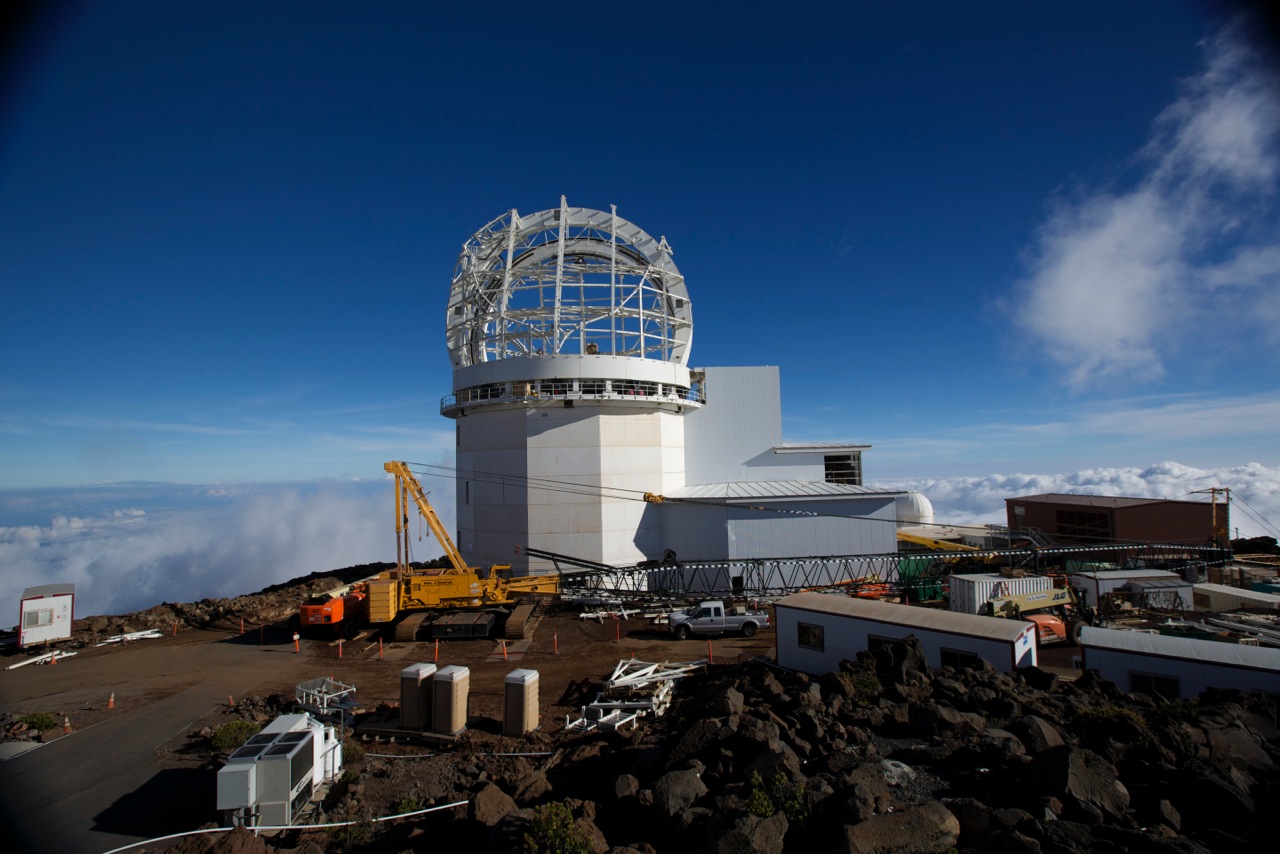
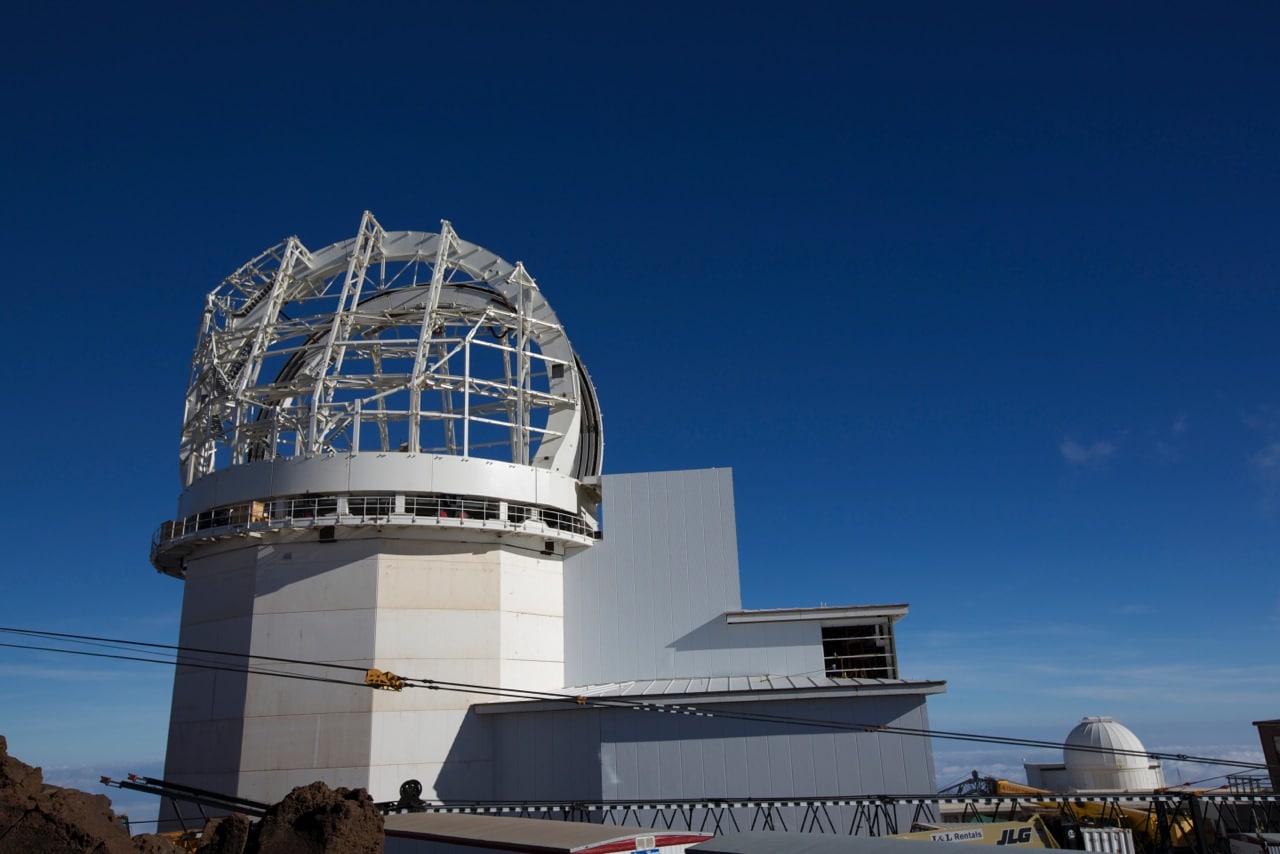
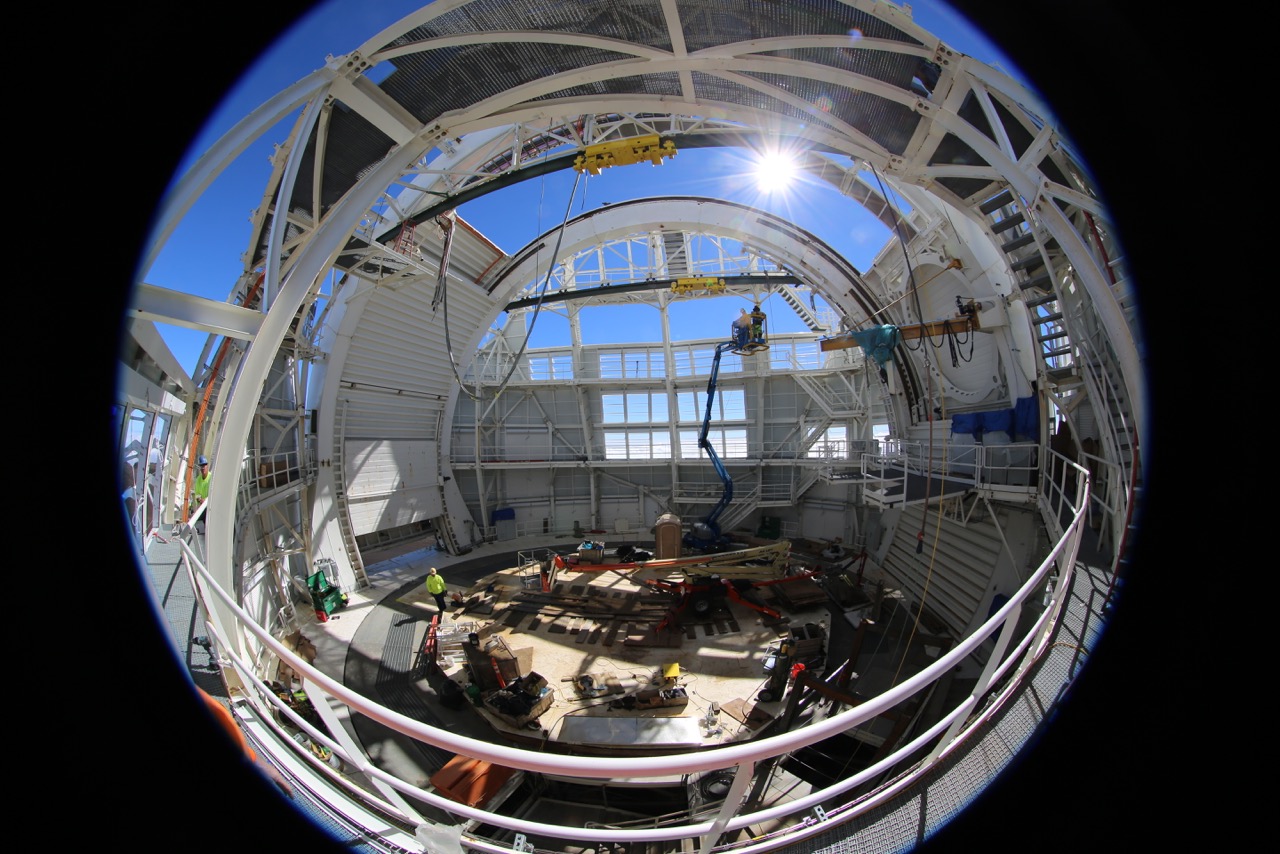
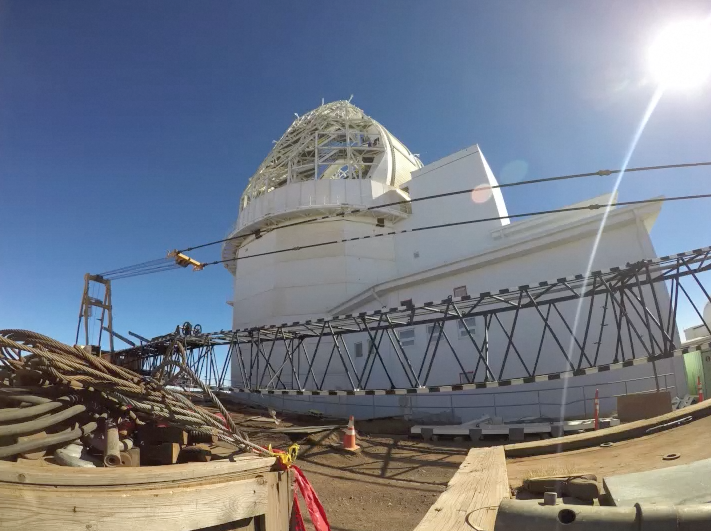
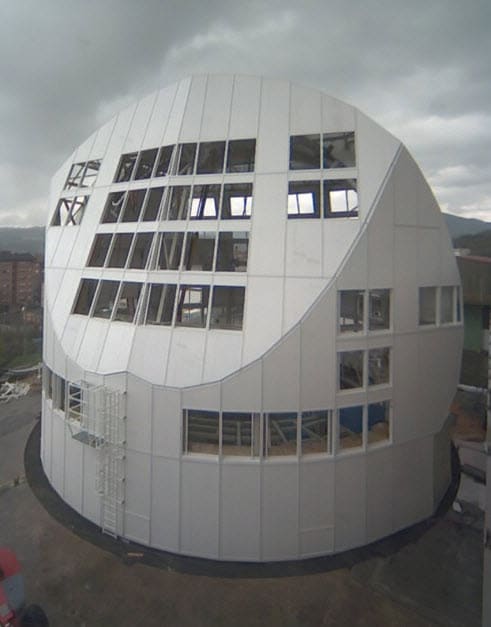
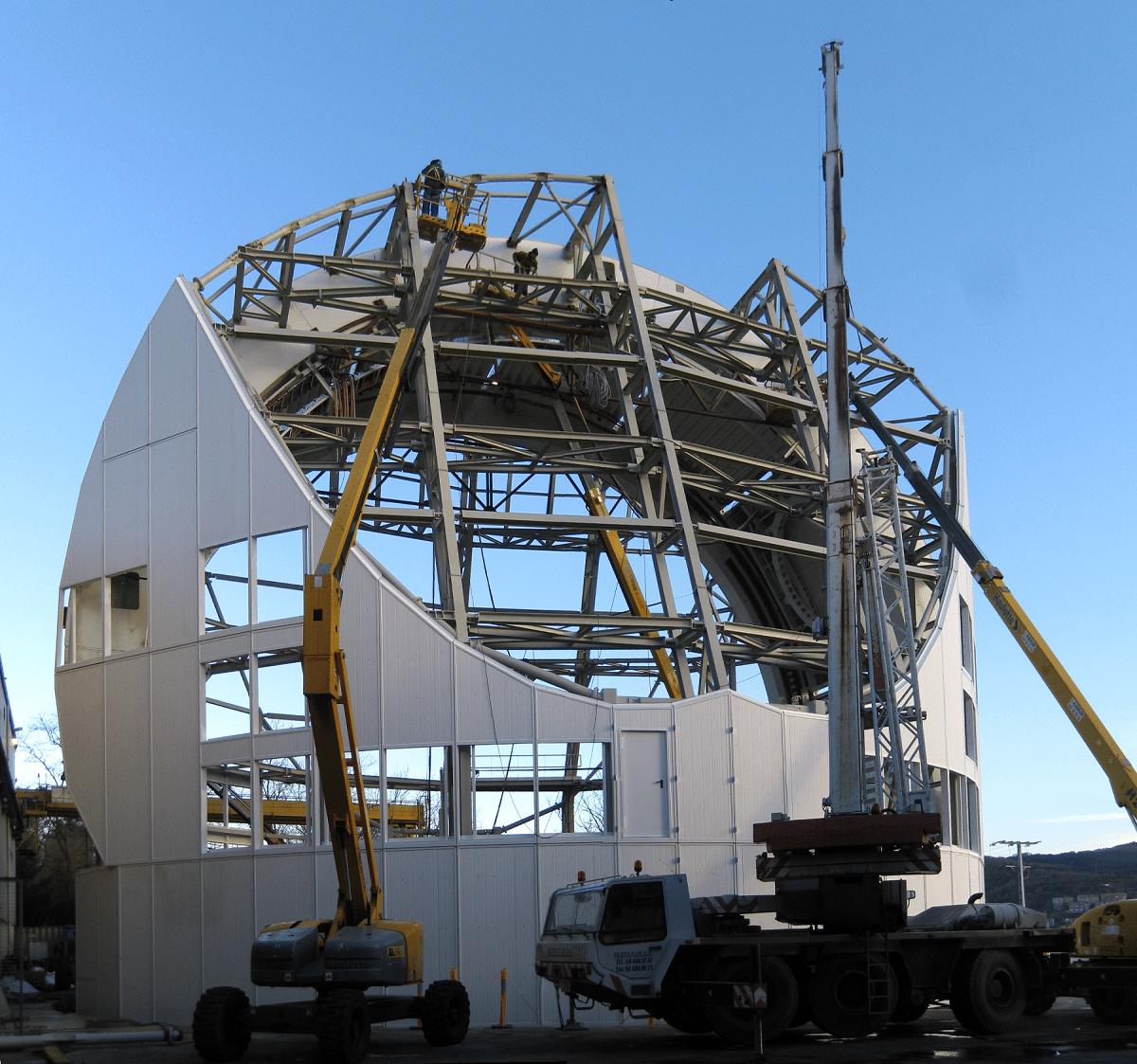
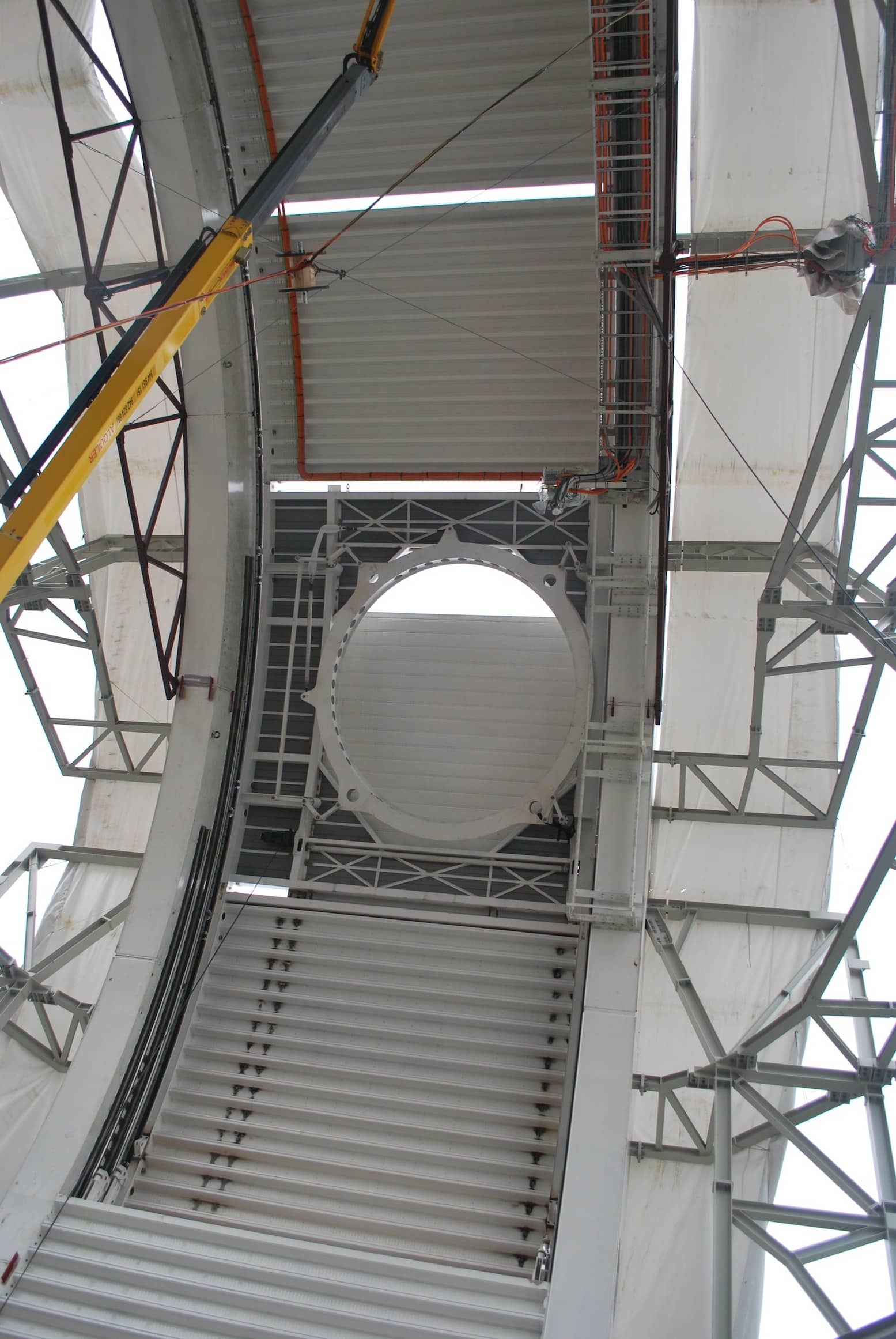
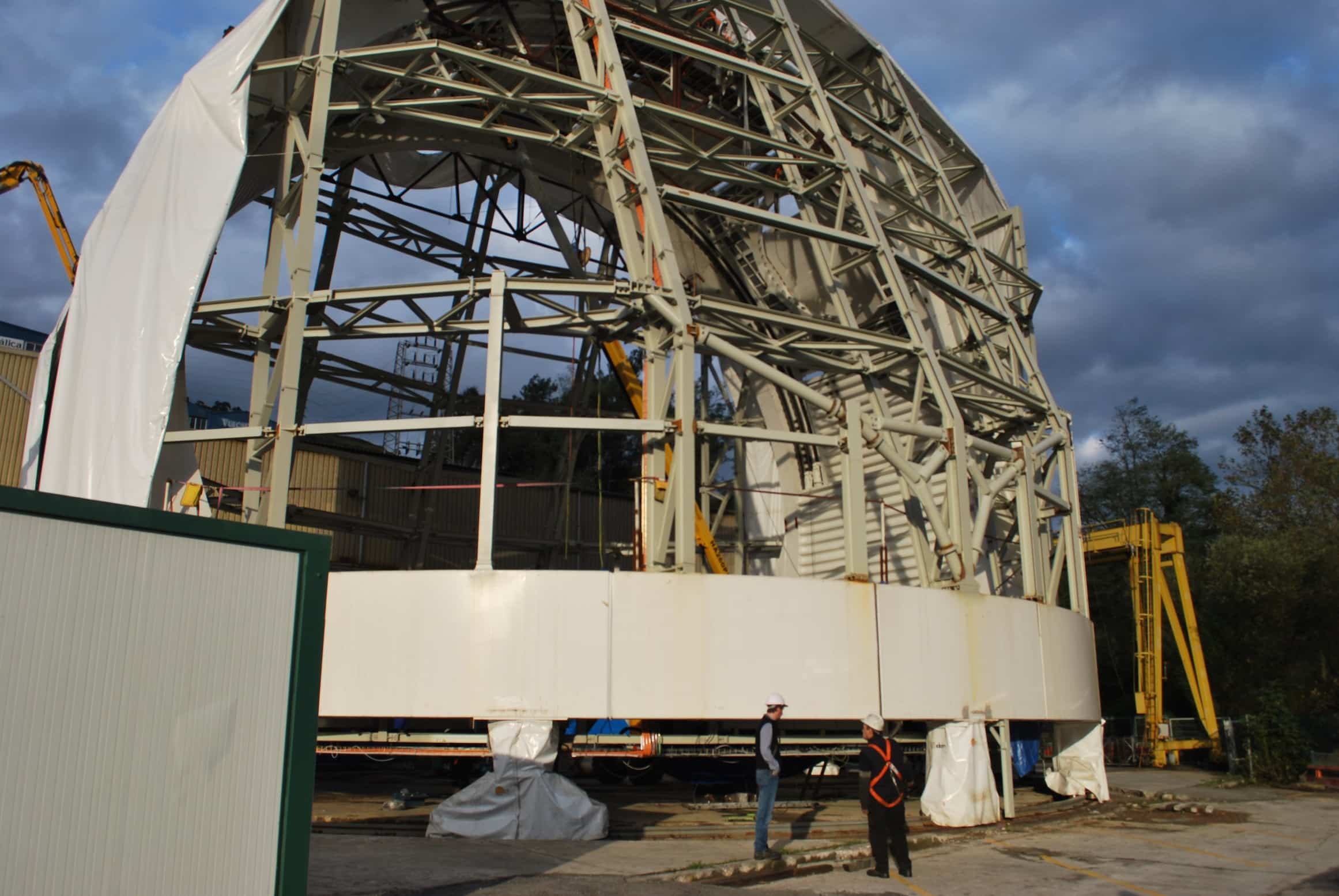
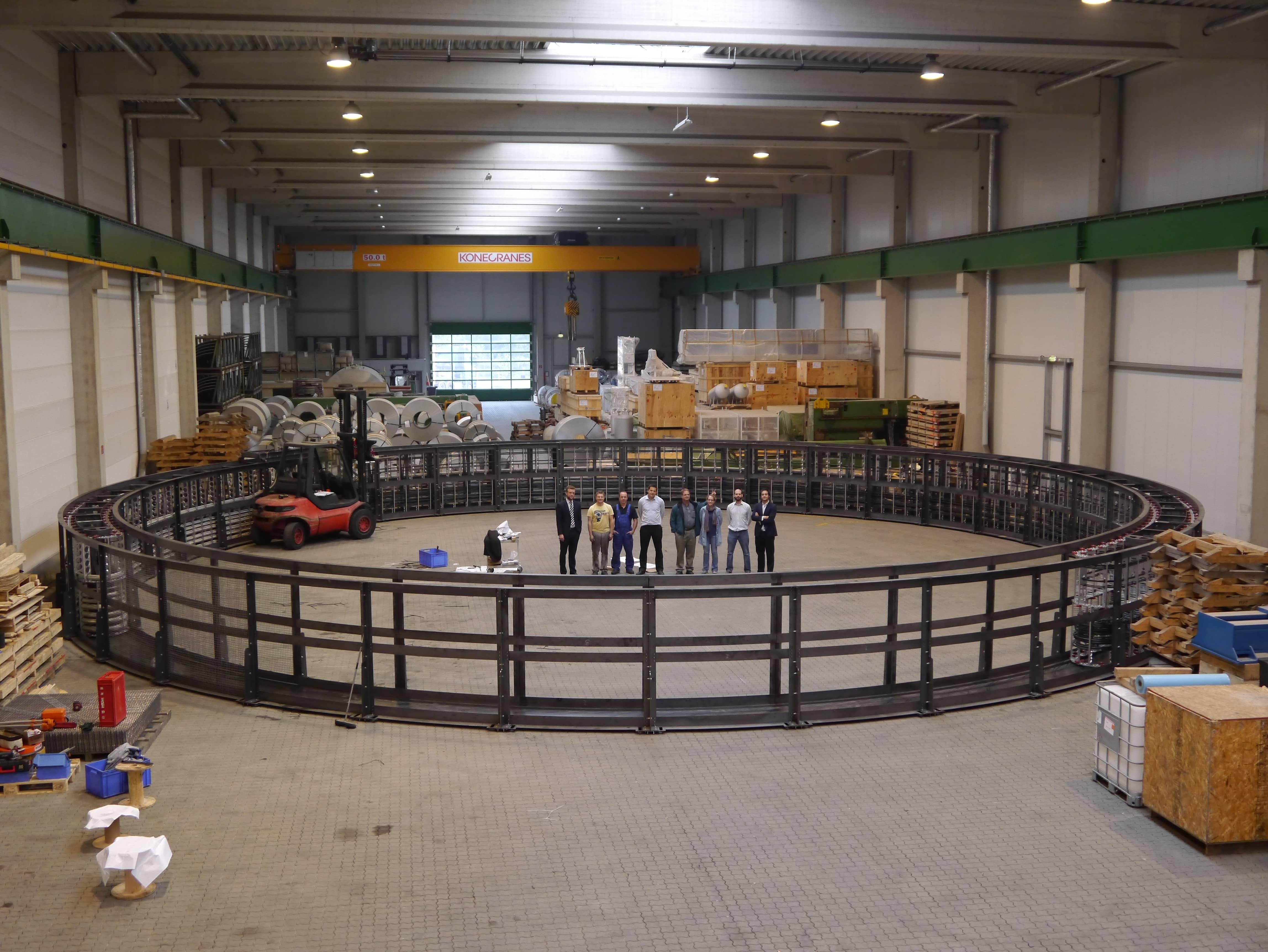
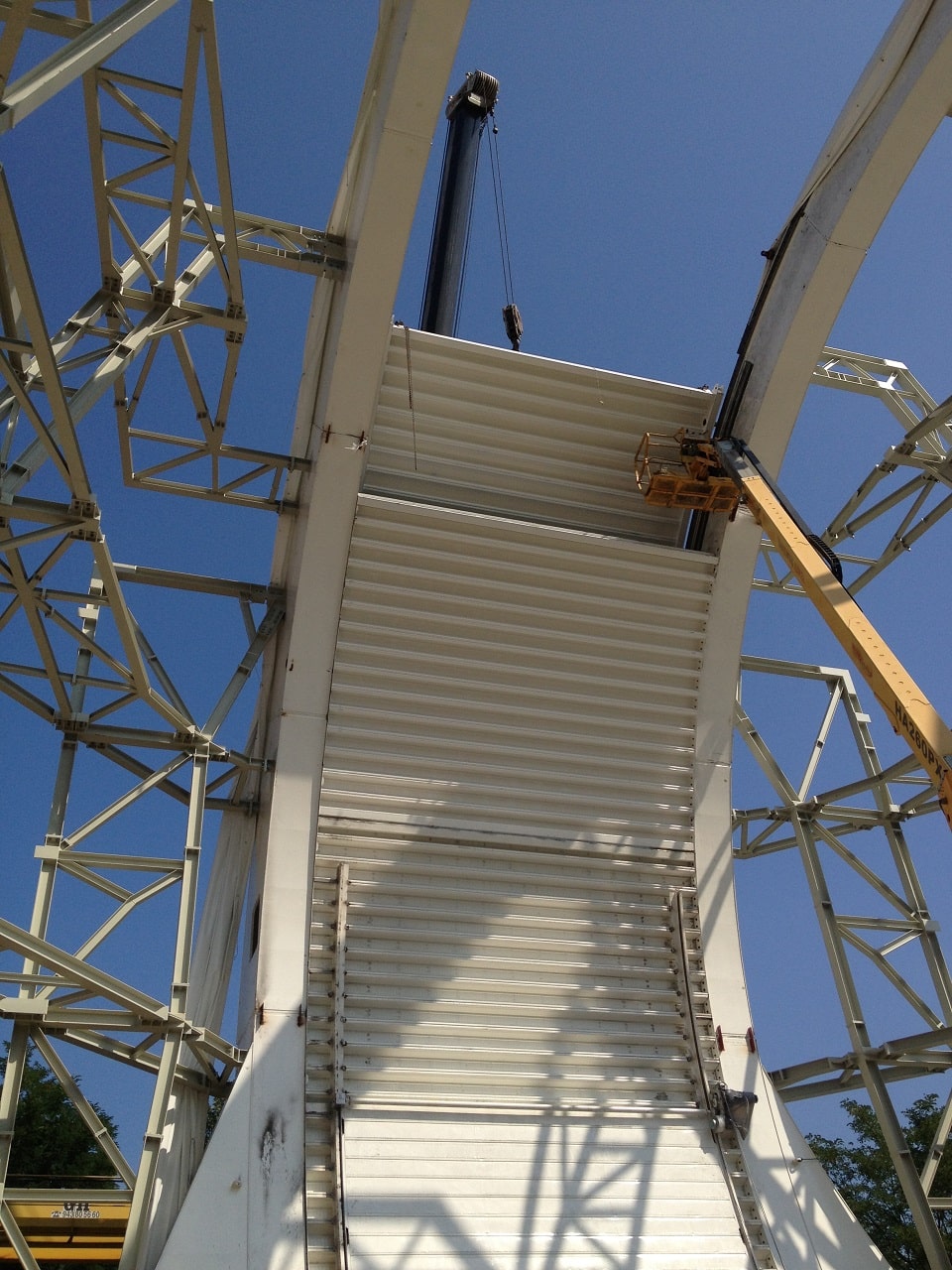
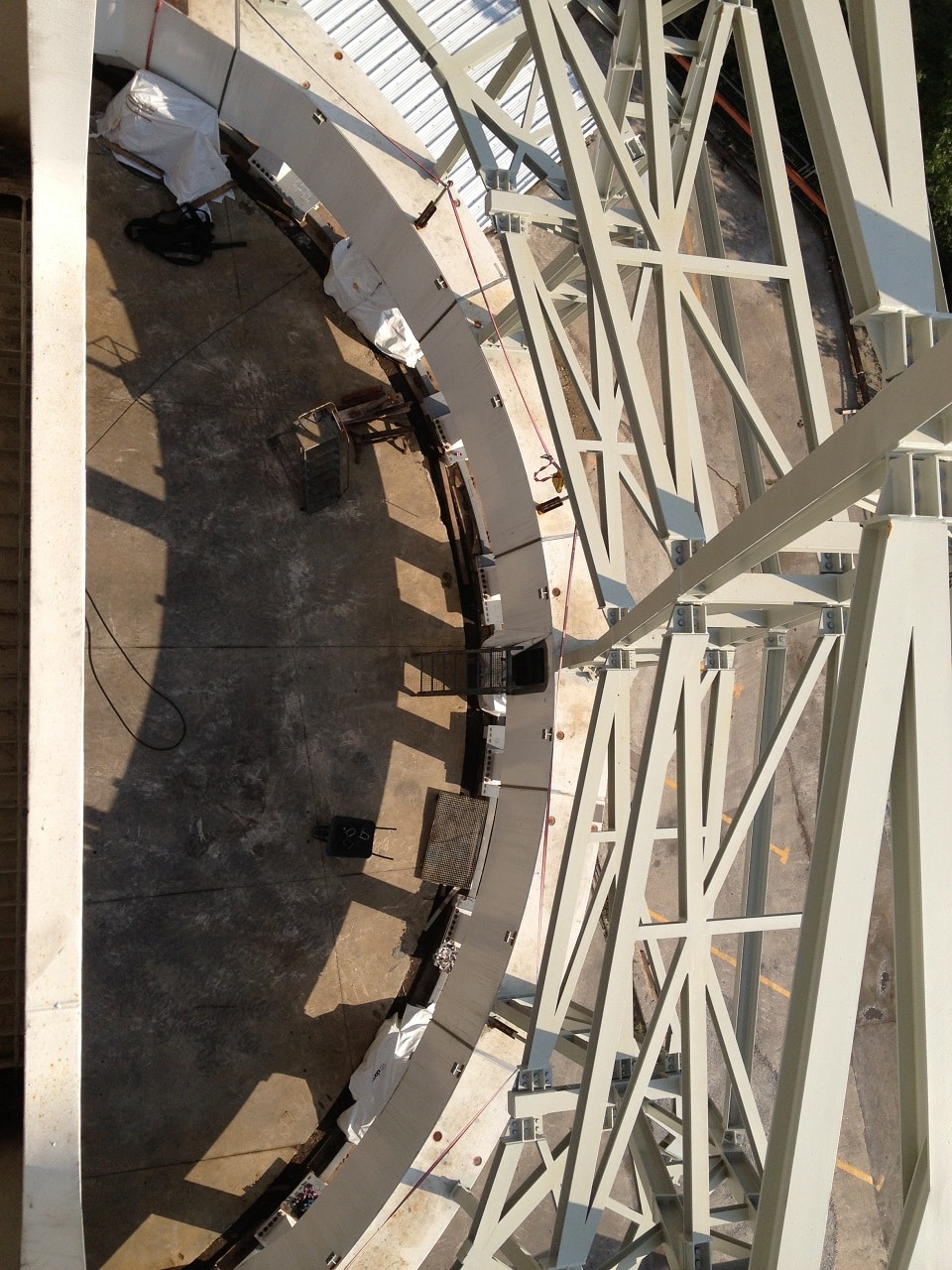
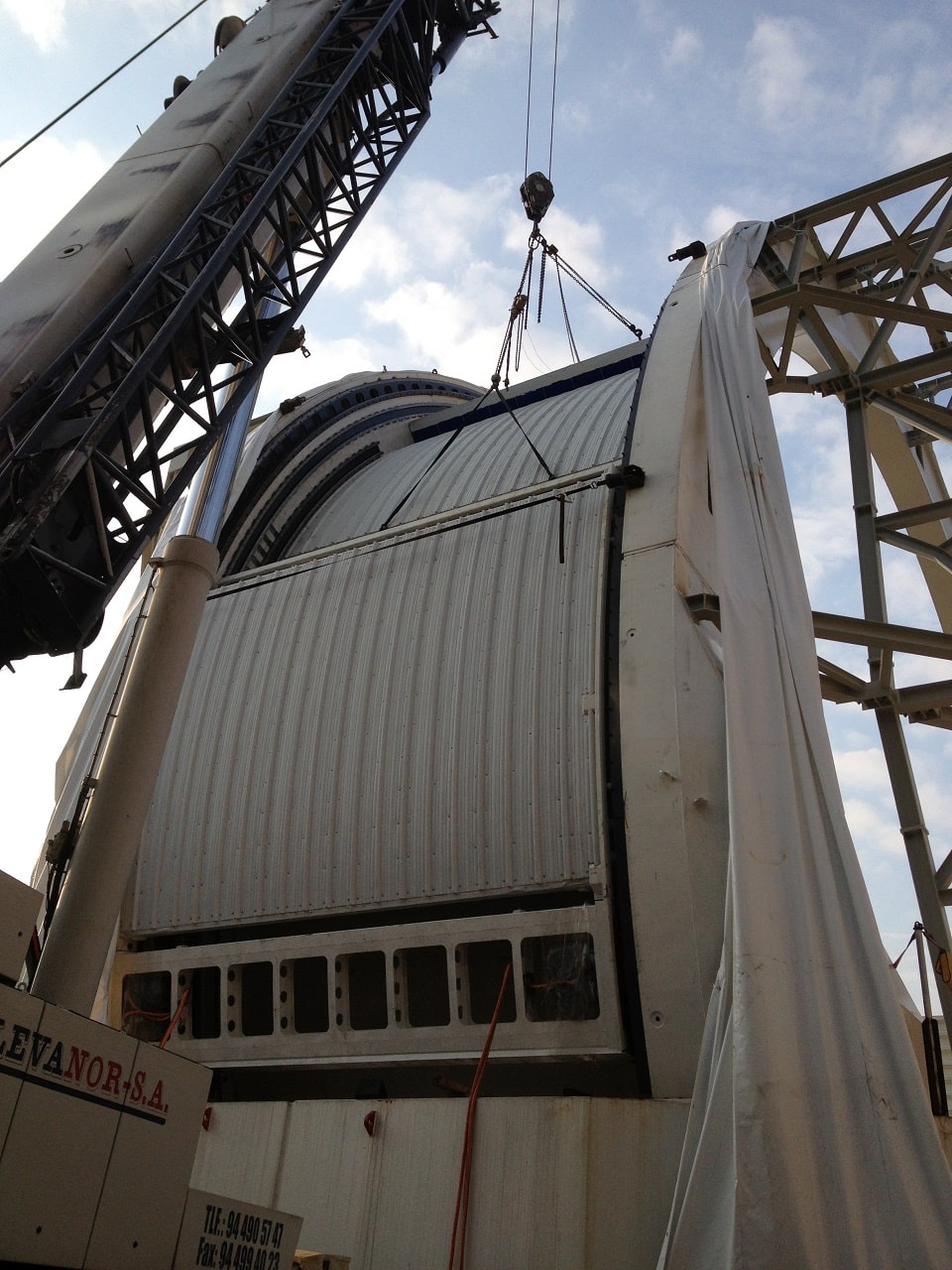
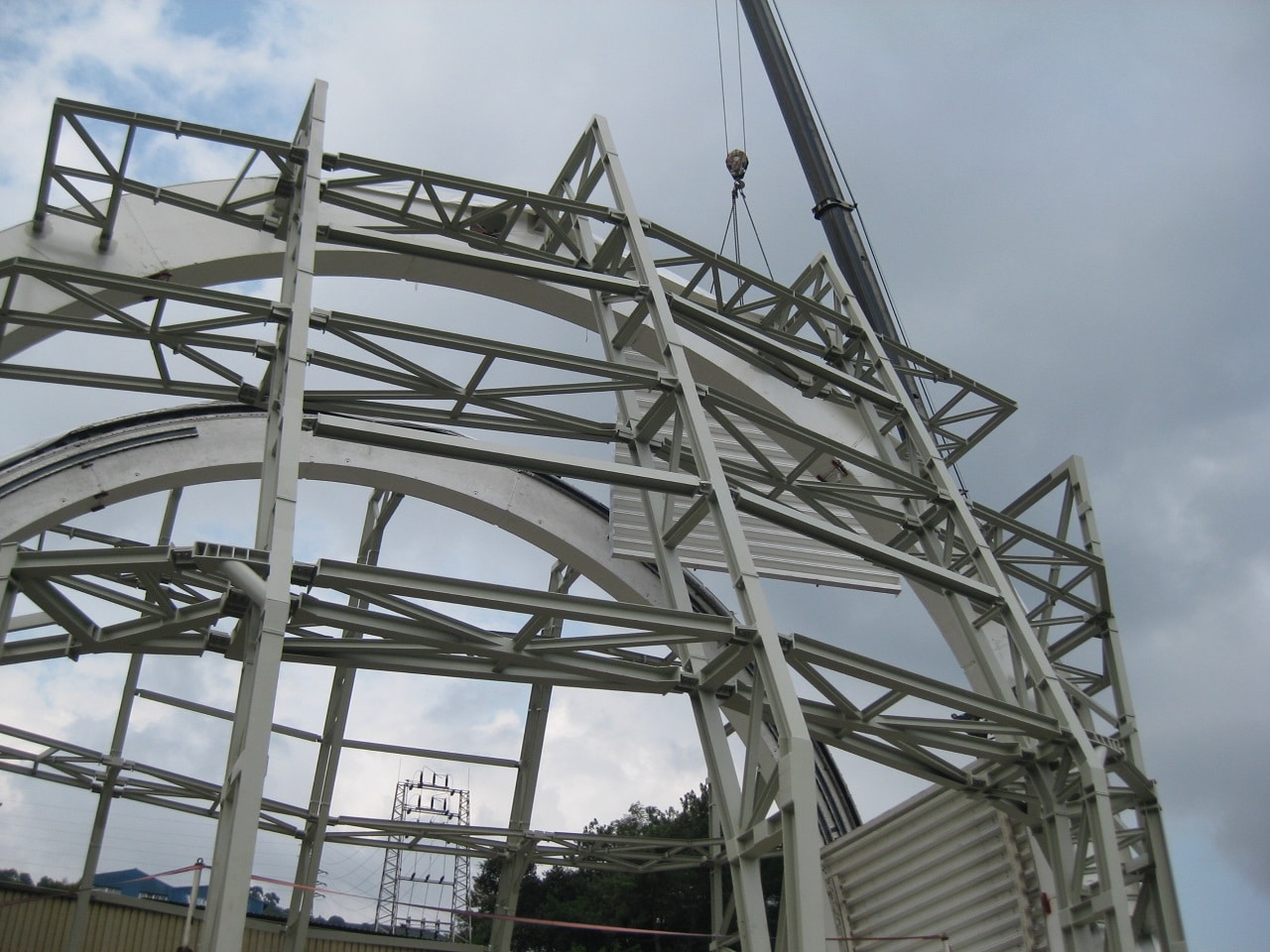
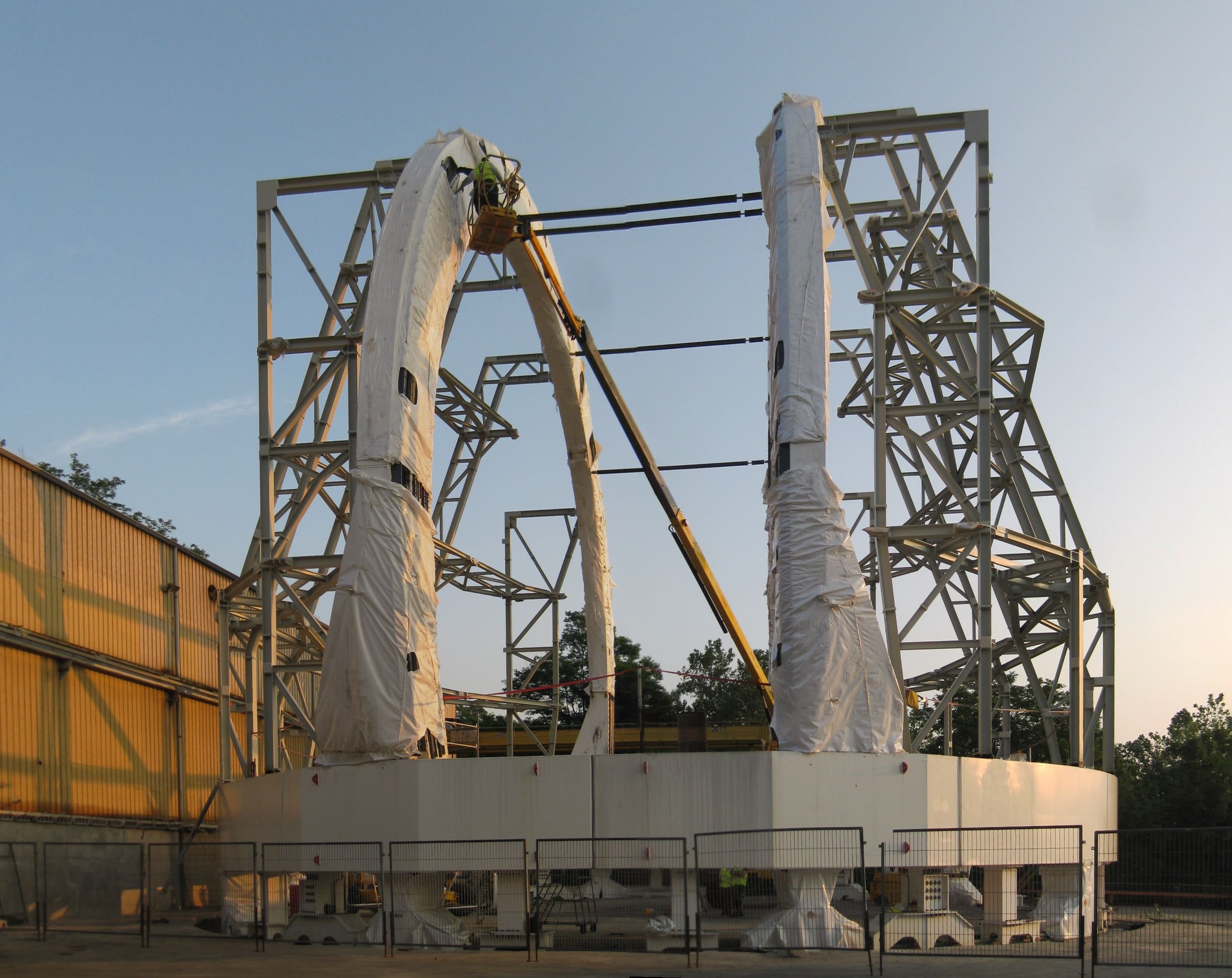
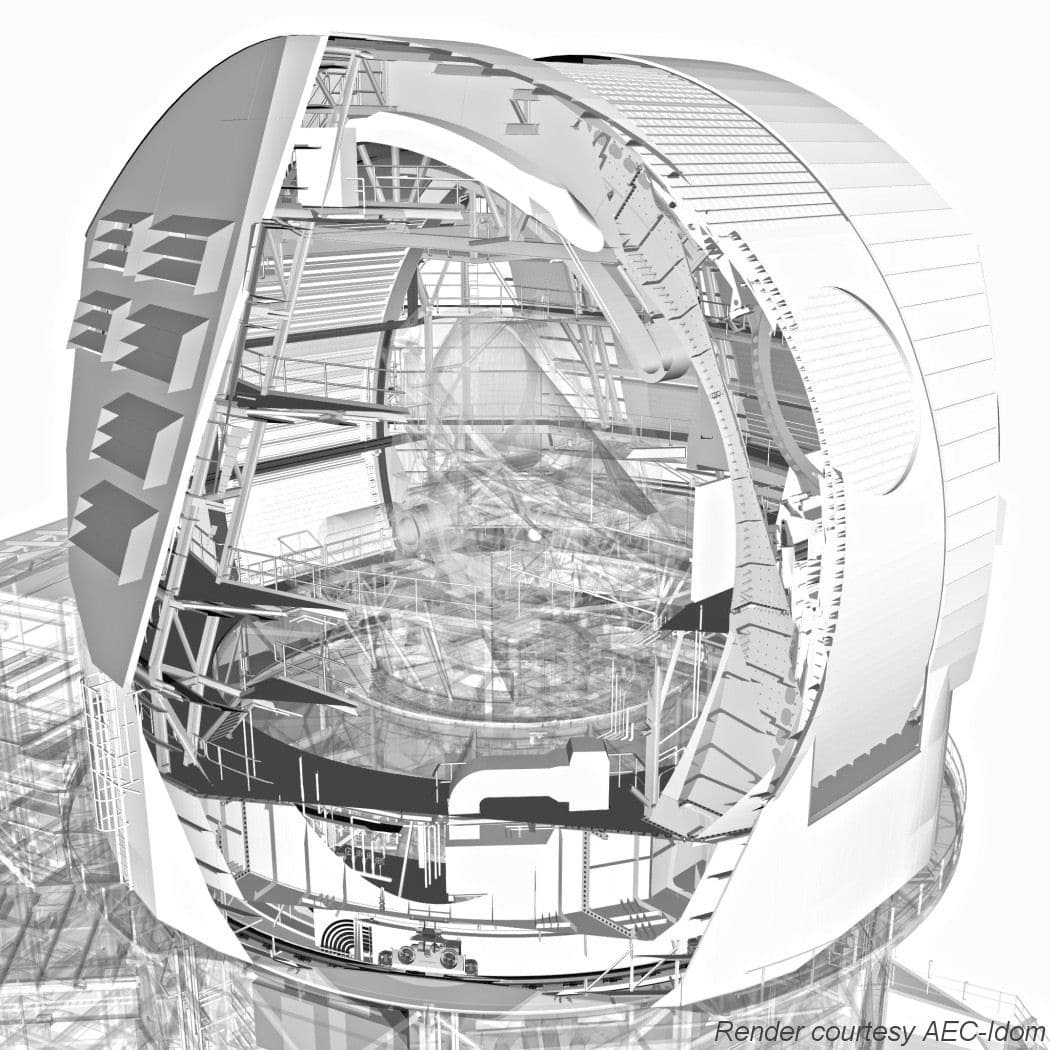
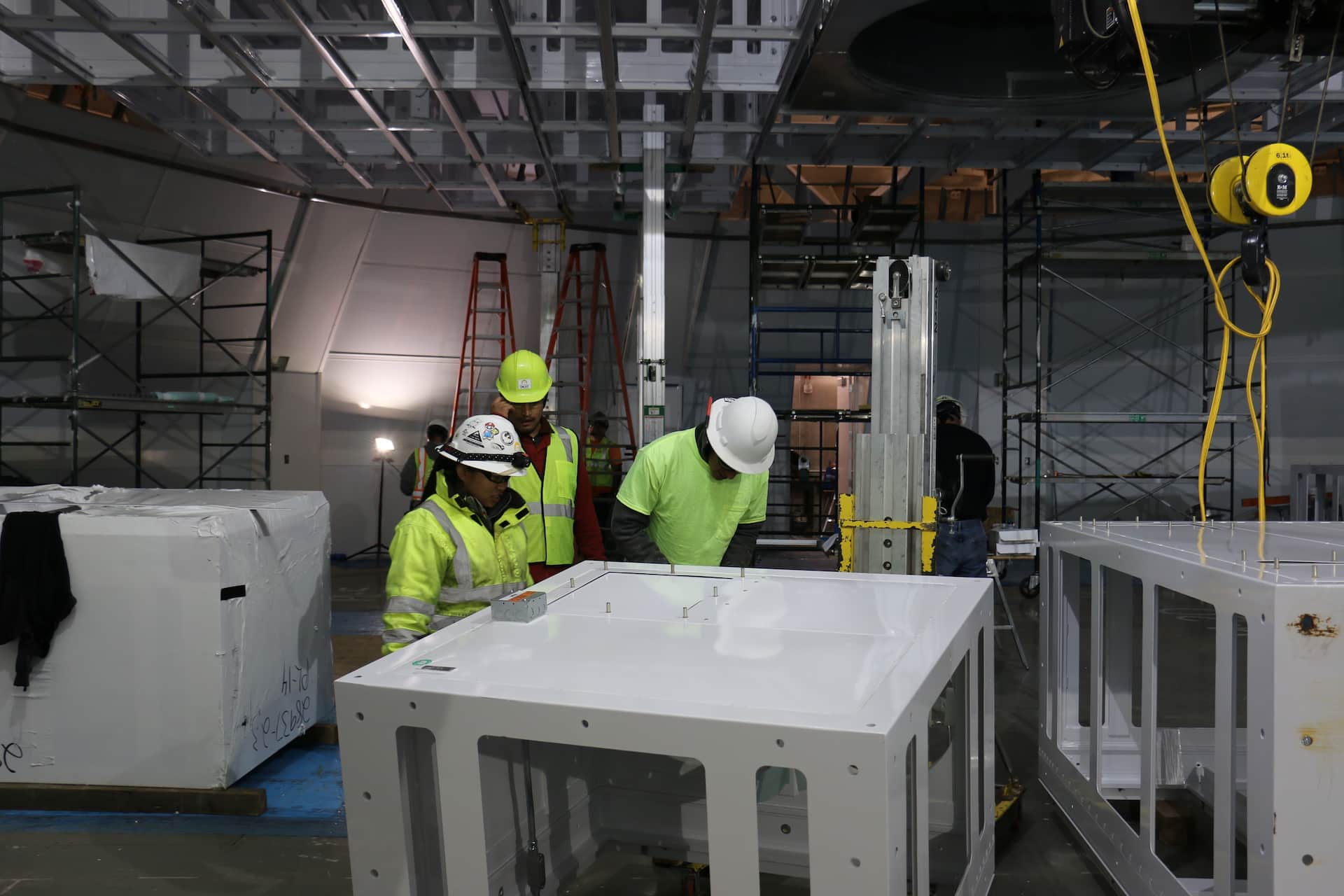
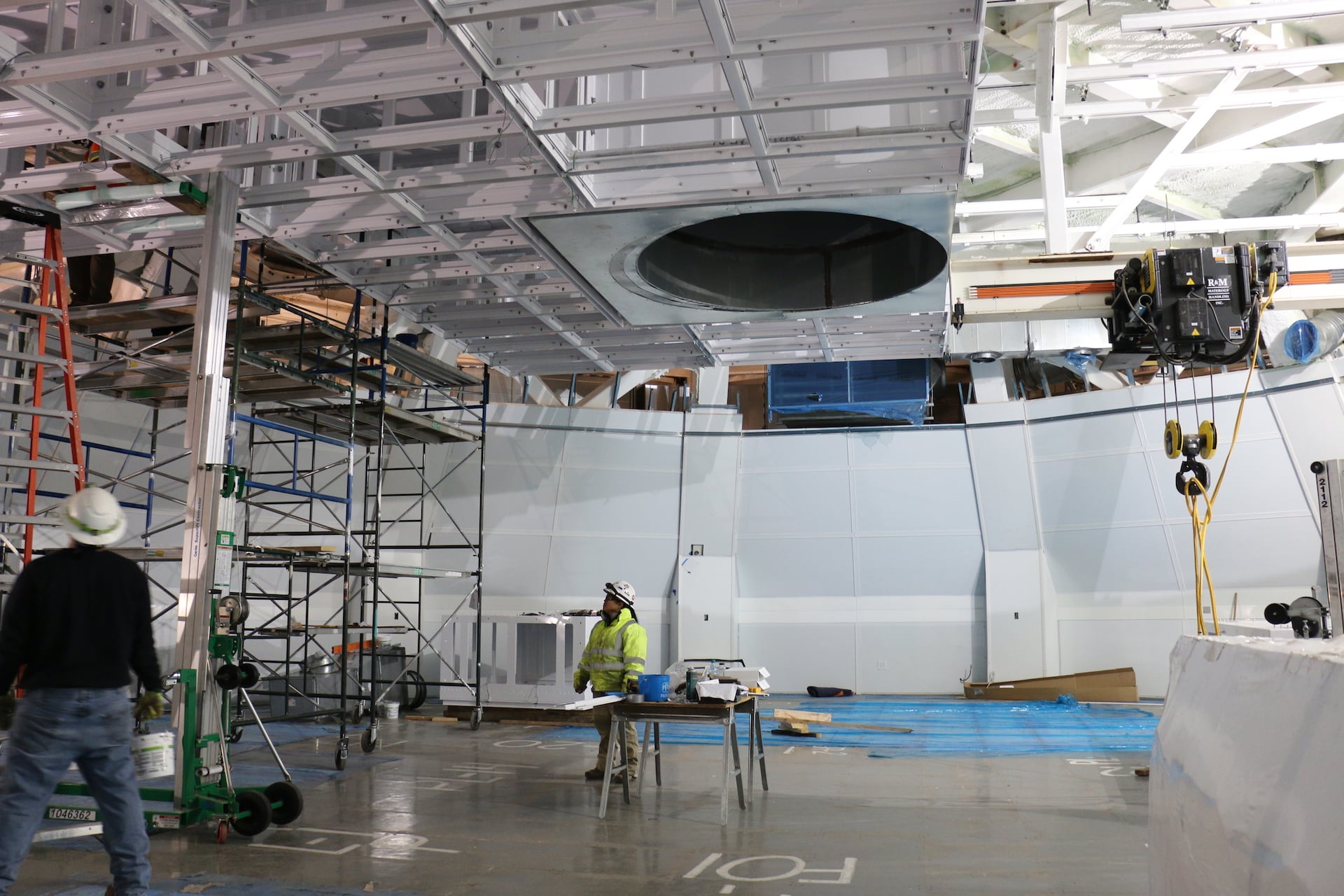
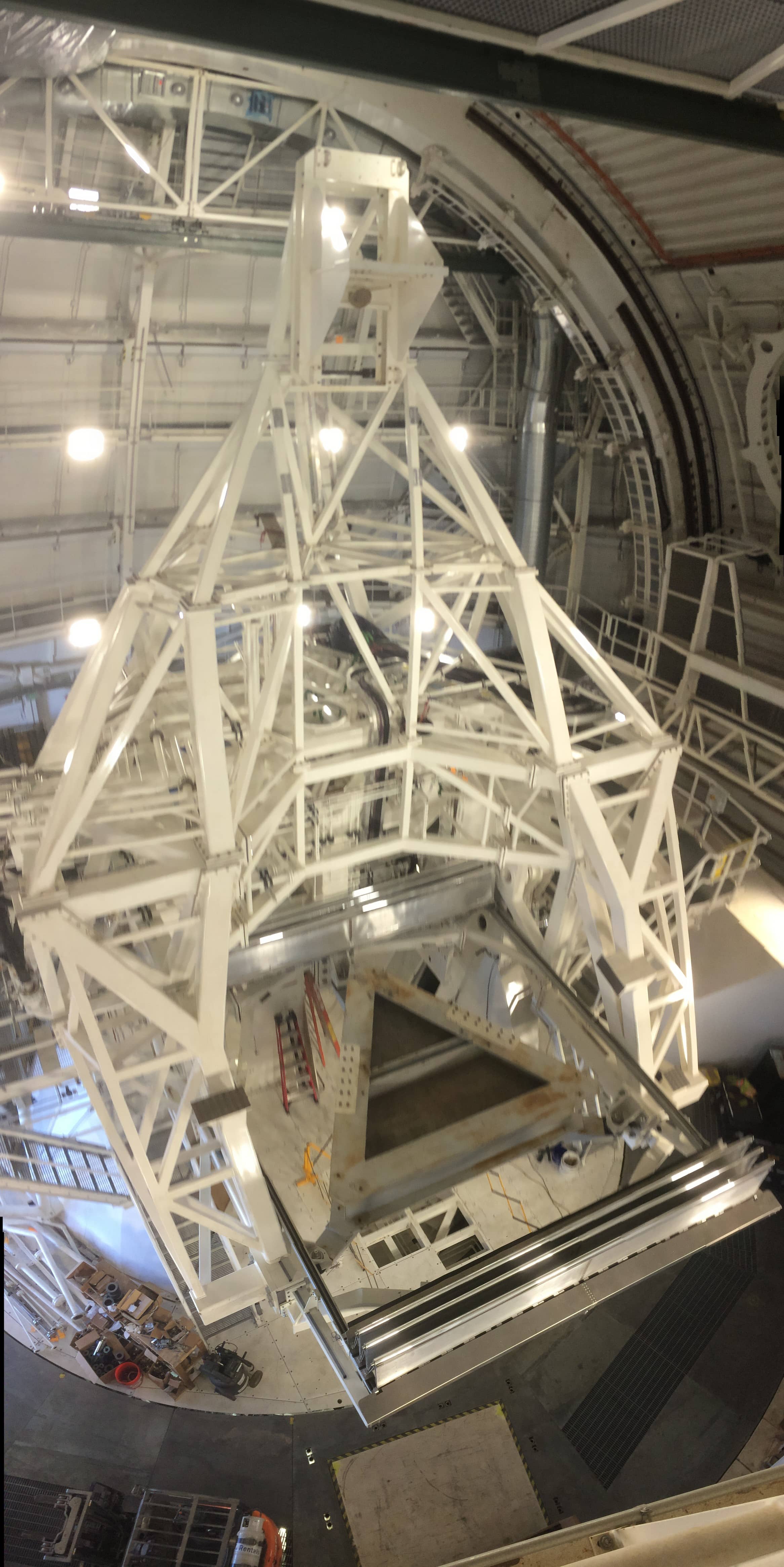
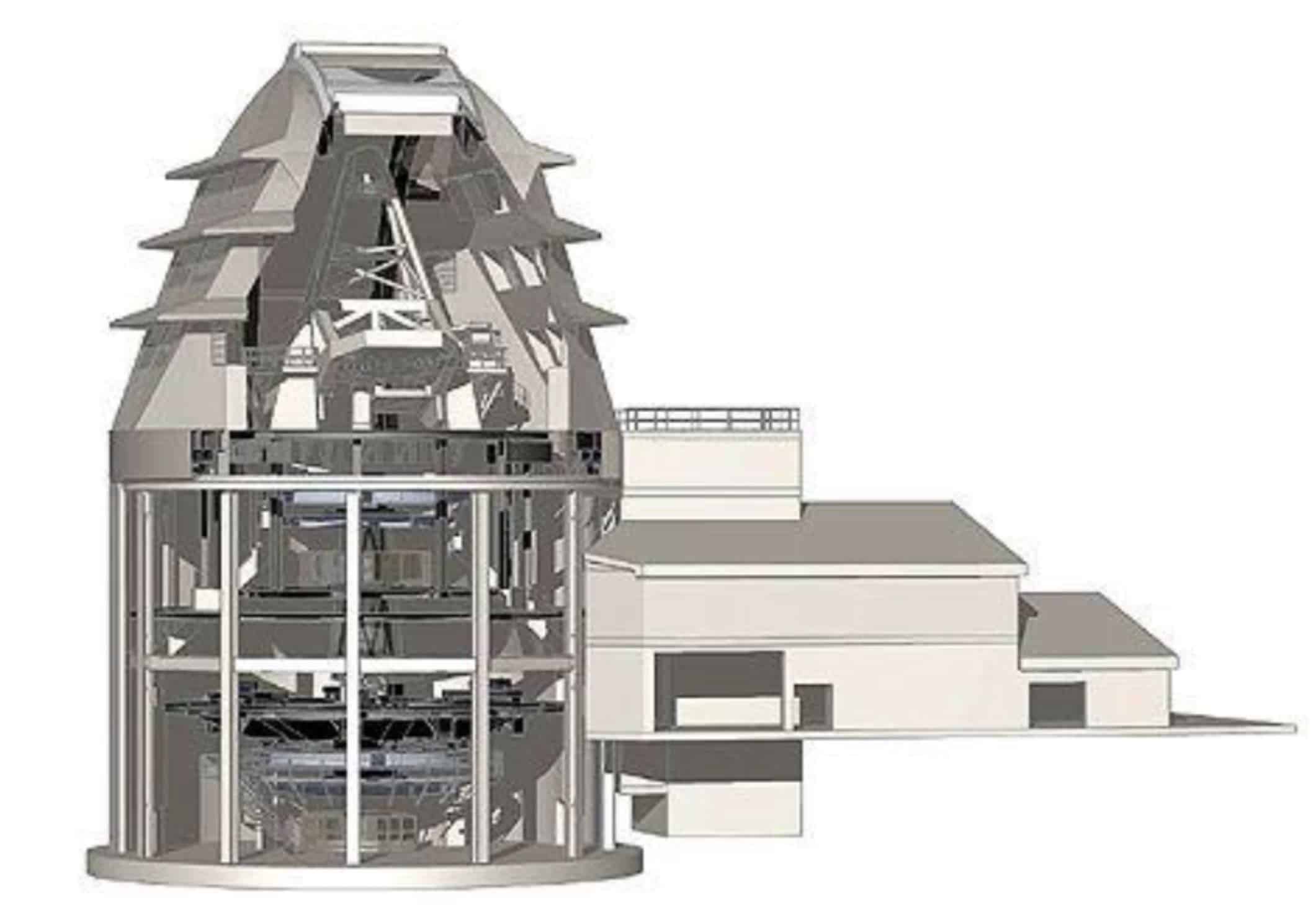
The dome – the structure that encloses the telescope – is covered by thin, actively cooled plates. The plates minimize the temperature difference between the dome and the air, thus minimizing the potential “shimmering” effect where the light beam enters the telescope. In addition, the dome’s shutters provide shade to specific parts of the telescope system, keeping them cool.
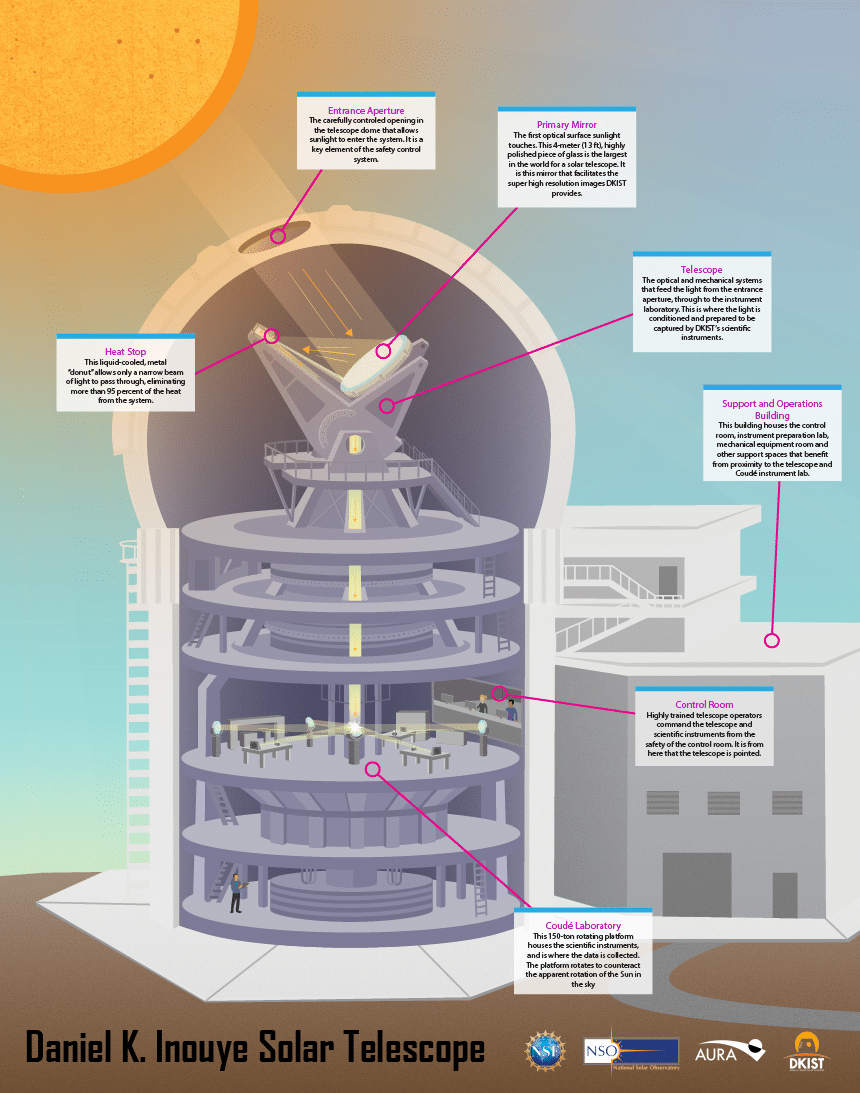
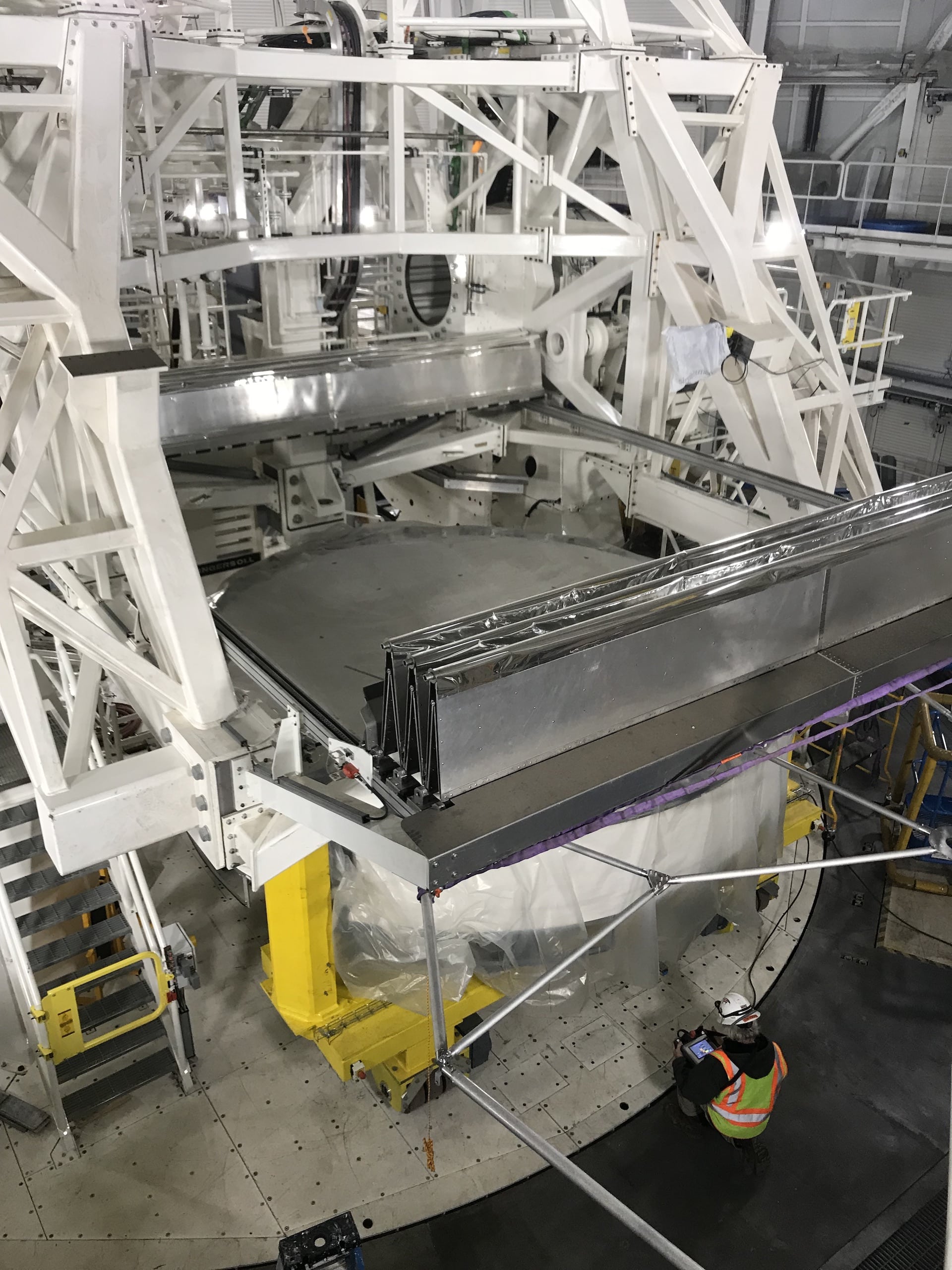
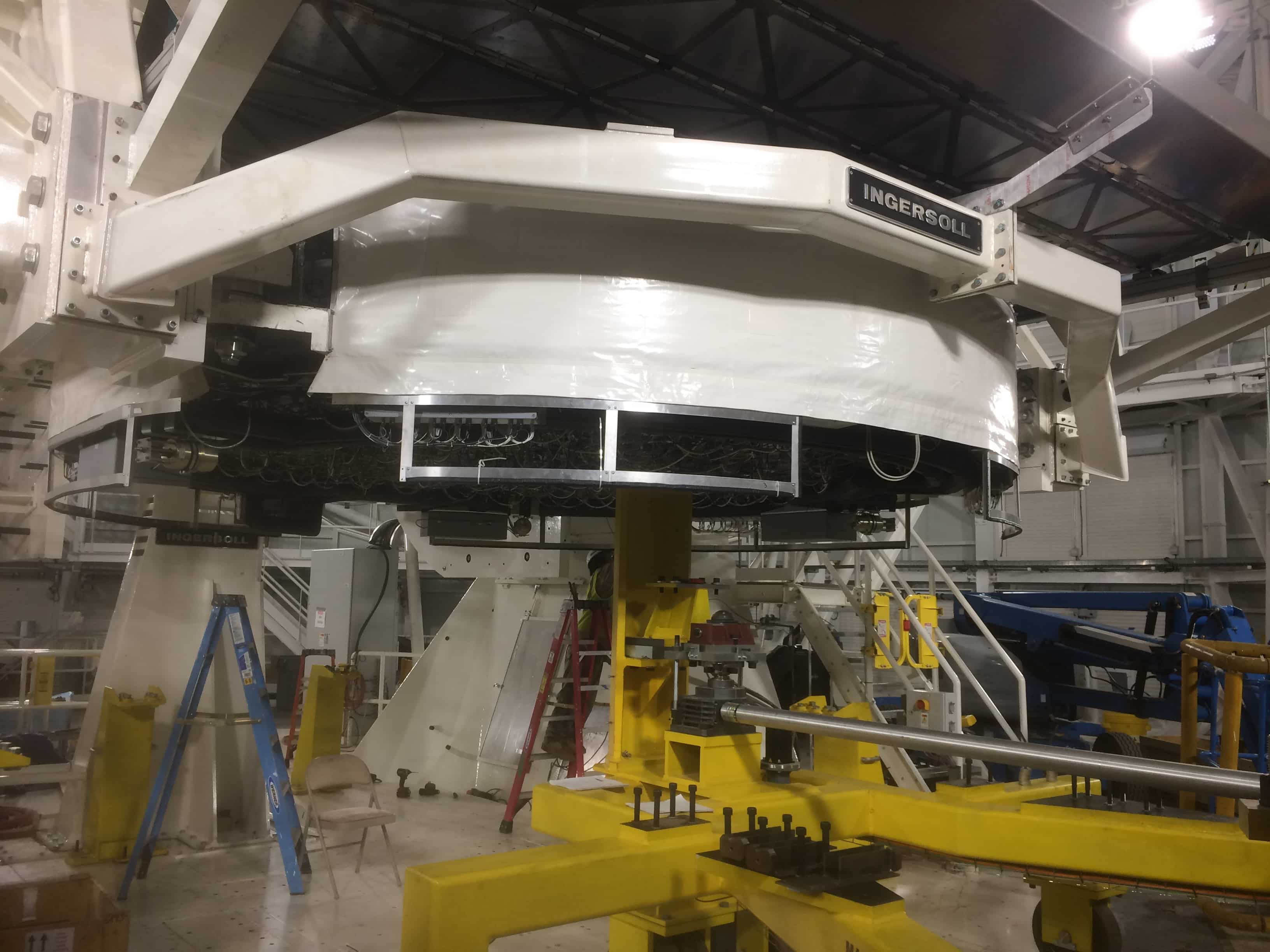
The first telescope mirror that sunlight touches, is carefully conditioned by cold air from behind its surface and a liquid-cooled circular ring in front. However, a major heat challenge occurs when the first mirror focuses light towards the second mirror. The focused light harnesses 12 kilowatts of solar power. That’s enough power to pop a bag of popcorn in 20 seconds!
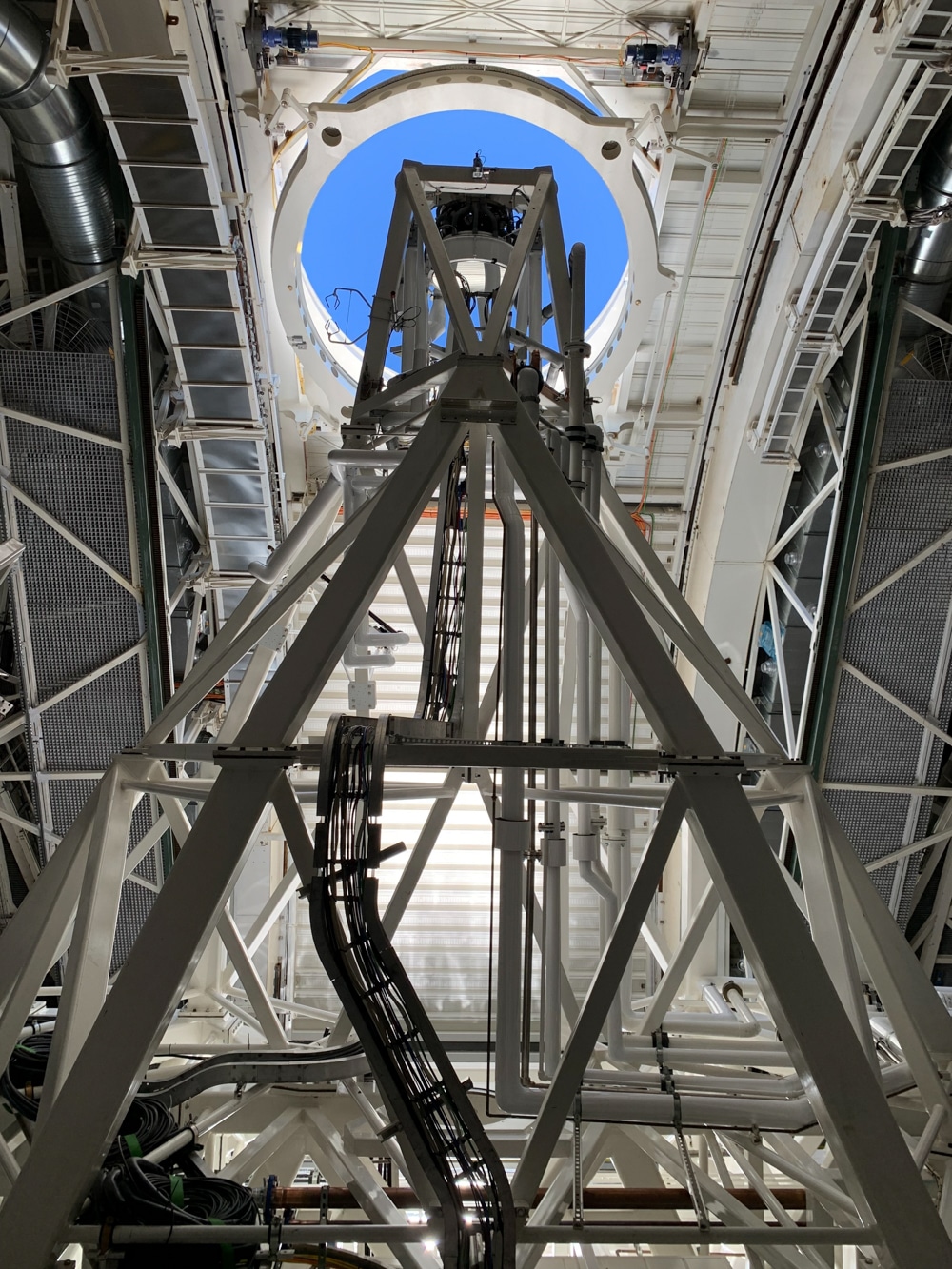
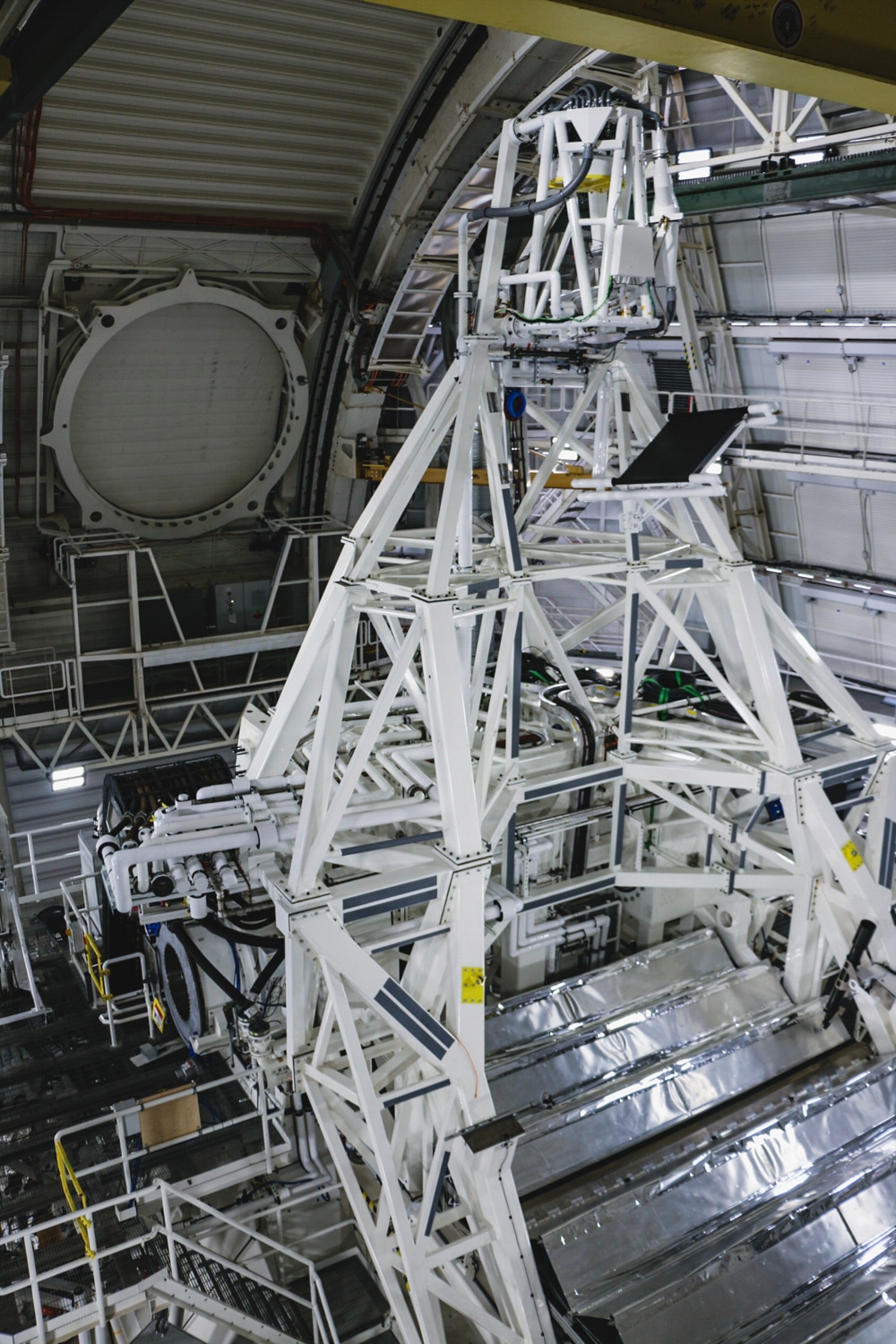
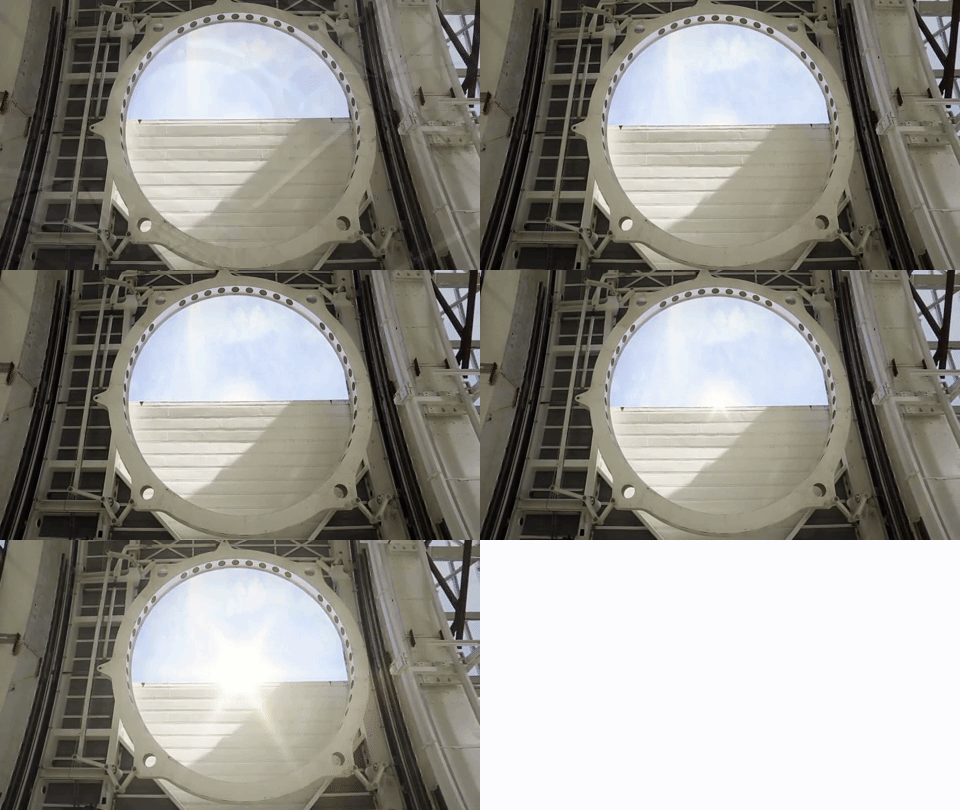
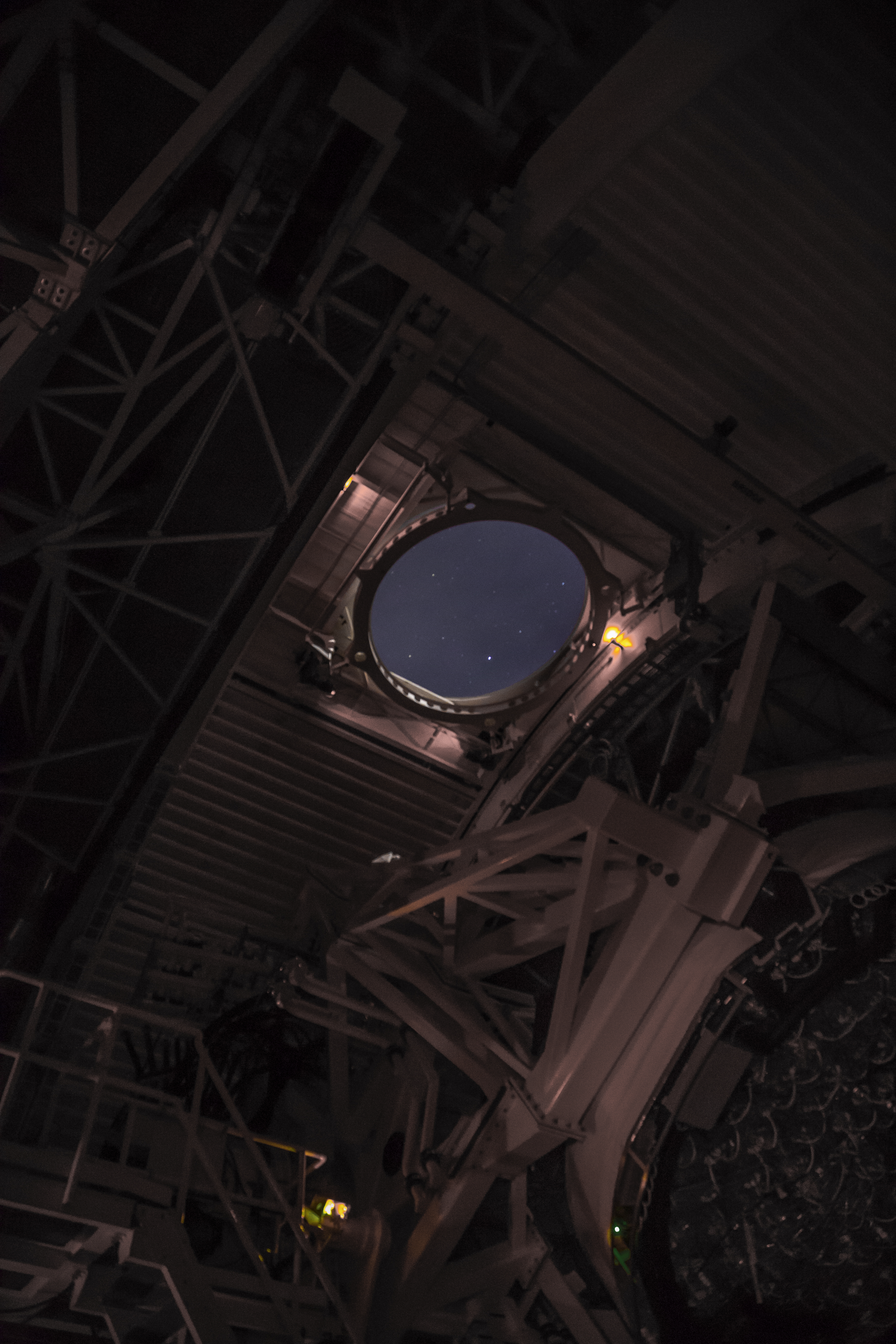
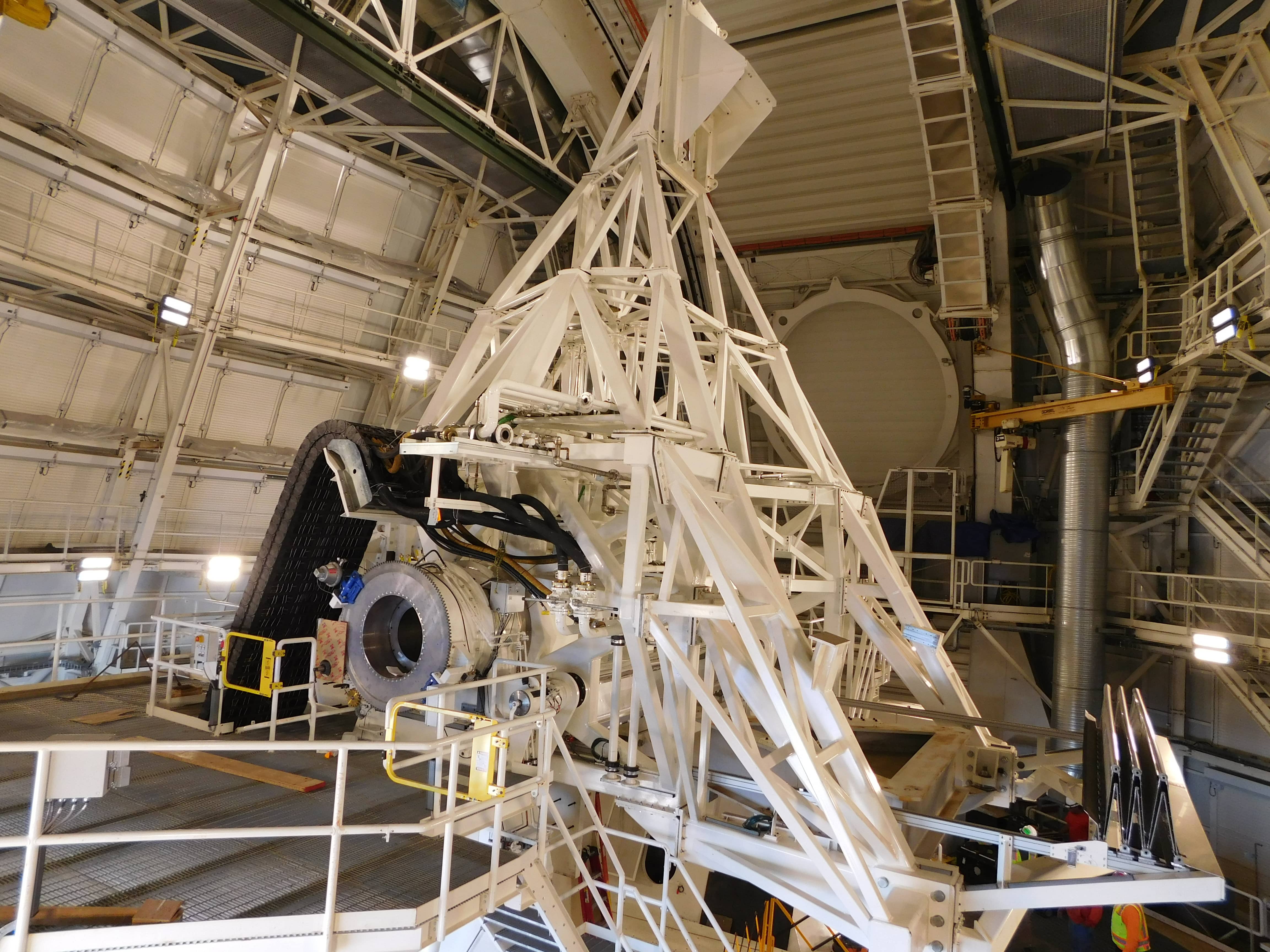
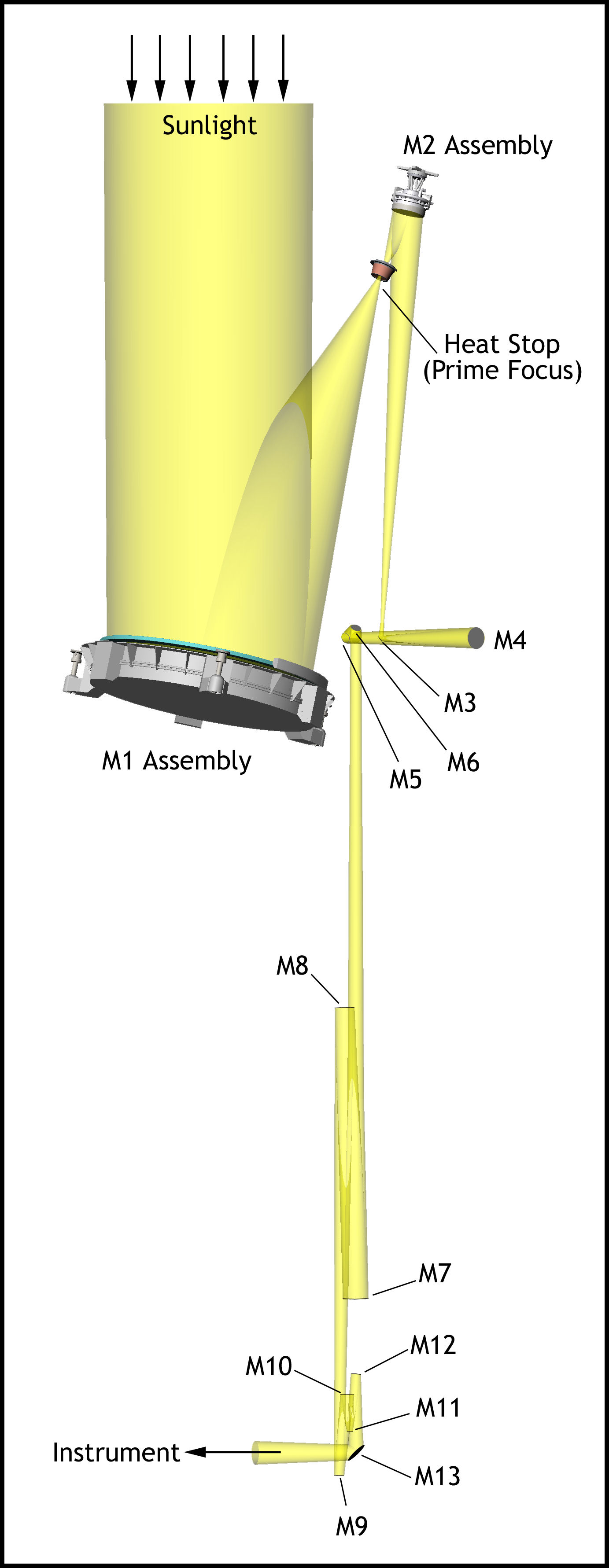
To prevent this intense beam of sunlight from damaging the telescope’s components, a “heat-stop” is employed to block most of the energy. The heat-stop is placed just in front of the second mirror where the light beam is most intense. This liquid-cooled, metal “donut” allows only a narrow beam of light to pass through, eliminating more than 95 percent of the heat from the system.
In the unlikely event that the heat-stop cooling system fails, a safety cover deploys to block the light in protecting the heat-stop and secondary mirror. A separate safety cover protects main mirror and the dome is quickly closed. These and other built-in systems ensure DKIST keeps its cool.
Learn More about DKIST












































How does the Inouye Solar Telescope Resist the Heat
Pointing a 13-foot, (4-meter) mirror directly at the Sun presents many challenges, not the least of which, is controlling the heat. Using something as small as a hand-held magnifying glass to focus sunlight is enough to burn paper, so imagine the power of focusing 4-m worth of sunlight.
Generating this tremendous amount of heat requires innovative cooling strategies to avoid damaging delicate telescope equipment and the building it lives in.
Maintaining sharp, high-quality images means the telescope’s optics need to be kept at near ambient temperature; the same temperature as the surrounding environment. That’s hard to do with 12kW of solar power bouncing around the telescope! Excess heat and resulting temperature changes, which can happen anywhere between the incoming light and the cameras, add distortions similar to the shimmering effect seen rising from an asphalt road on a hot day. This can severely deteriorate the quality of the telescope’s images.
Three elements are responsible for crucial heat protection of the telescope and its mirrors: the coolant system, the dome, and the heat-stop.
More than seven miles of piping distribute coolant throughout the observatory. The coolant – dynalene – is partly chilled by ice, which is created at the observatory during the night. The coolant is distributed throughout the observatory systems, including the dome and the heat-stop.
The dome – the structure that encloses the telescope – is covered by thin, actively cooled plates. The plates minimize the temperature difference between the dome and the air, thus minimizing the potential “shimmering” effect where the light beam enters the telescope. In addition, the dome’s shutters provide shade to specific parts of the telescope system, keeping them cool.
The first telescope mirror that sunlight touches, is carefully conditioned by cold air from behind its surface and a liquid-cooled circular ring in front. However, a major heat challenge occurs when the first mirror focuses light towards the second mirror. The focused light harnesses 12 kilowatts of solar power. That’s enough power to pop a bag of popcorn in 20 seconds!
To prevent this intense beam of sunlight from damaging the telescope’s components, a “heat-stop” is employed to block most of the energy. The heat-stop is placed just in front of the second mirror where the light beam is most intense. This liquid-cooled, metal “donut” allows only a narrow beam of light to pass through, eliminating more than 95 percent of the heat from the system.
In the unlikely event that the heat-stop cooling system fails, a safety cover deploys to block the light in protecting the heat-stop and secondary mirror. A separate safety cover protects main mirror and the dome is quickly closed. These and other built-in systems ensure DKIST keeps its cool.
Learn More about DKIST
